
Household appliances
Devices designed for everyday domestic tasks—cooking, cleaning, food storage and more—ranging from large built‑in machines to portable gadgets. Overview, categories, history, uses, and environmental considerations.
A household appliance is a device intended to assist people with common domestic tasks. These devices range from large, permanently sited machines to compact countertop gadgets. Many modern appliances combine mechanical, electrical and electronic components and are often discussed in the context of consumer electronics and product design. For technical information or category definitions see related industry resources.
Image gallery
7 Images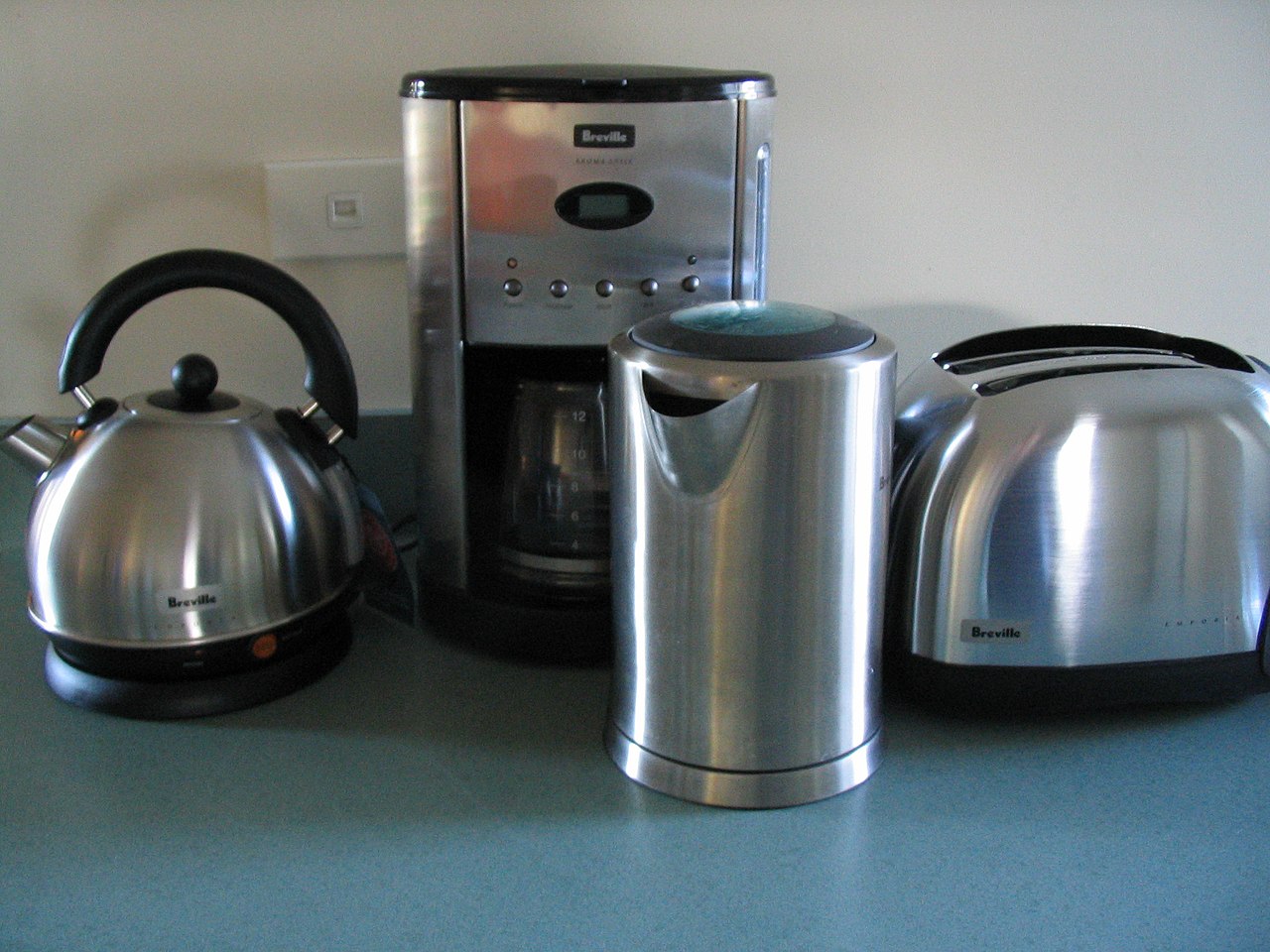




Categories and common examples
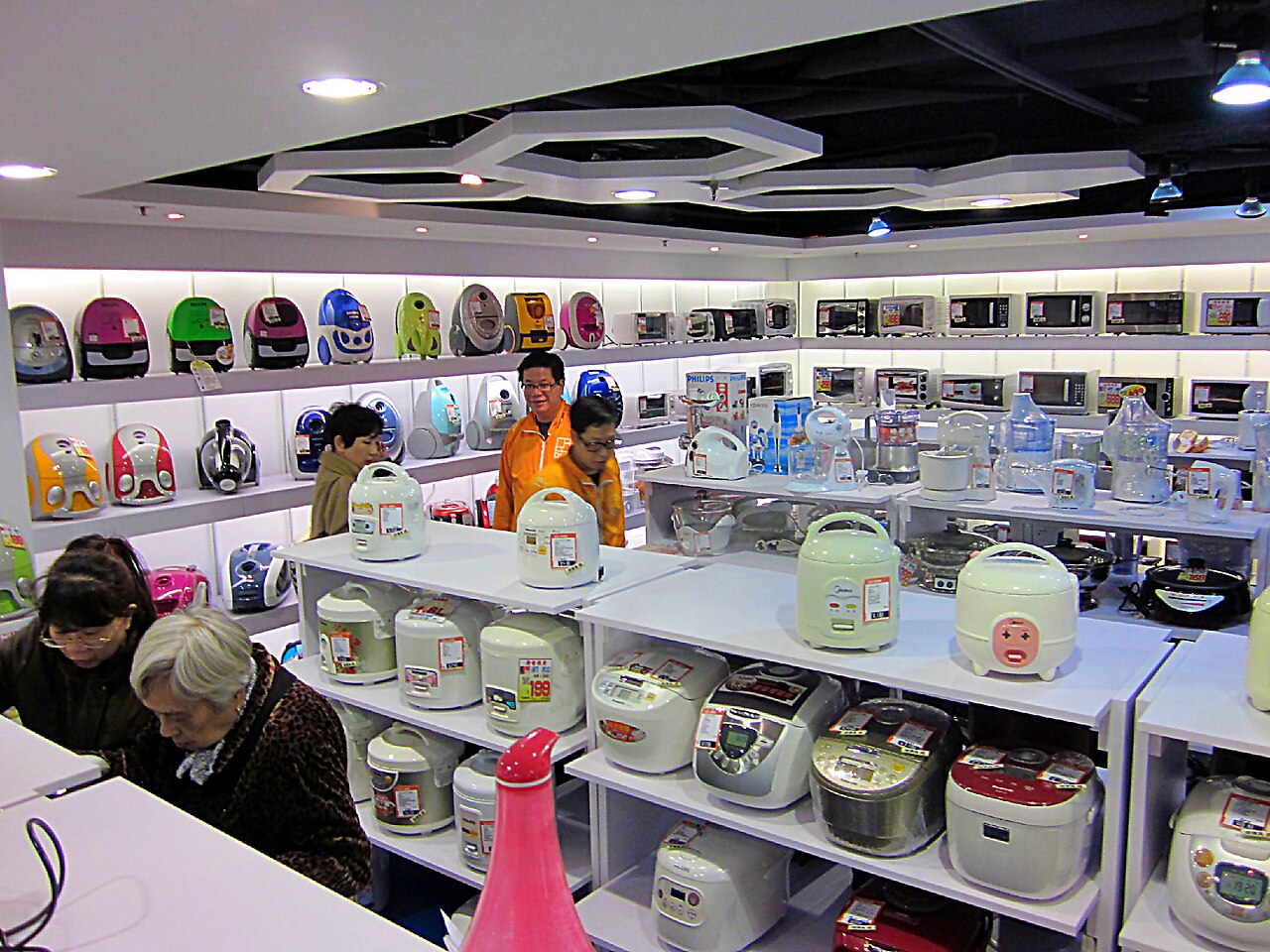
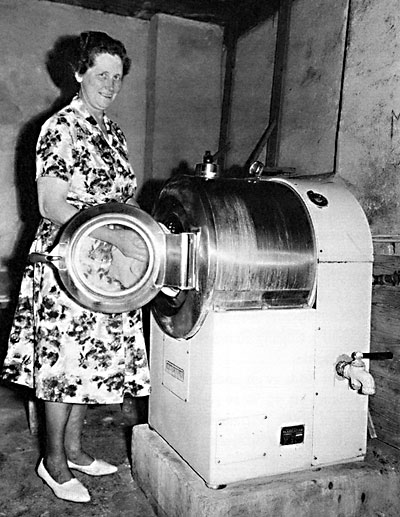
- Major appliances (sometimes called white goods): large units such as refrigerators, washing machines, dishwashers and ovens.
- Small appliances: portable or countertop items like toasters, kettles, coffee makers and blenders.
- Consumer electronics and entertainment devices (often called brown goods): televisions, audio equipment and similar products that complement household functions.
Examples that illustrate typical functions include cooking appliances (ovens, stoves and microwaves) and cleaning machines (vacuum cleaners and dishwashers). For specific product categories and task-oriented lists consult guides on cooking appliances and cleaning devices.
Design, parts and performance
Appliances commonly incorporate motors, heating elements, pumps, control circuits, user interfaces and sensors. Durability, energy consumption, noise, safety and ease of repair are important performance attributes. Owners and technicians often refer to service manuals and repair documentation when diagnosing problems; these resources and technical guides can be found through manufacturer portals and repair databases (service and support).
Repair complexity varies: some products are modular and designed for simple part replacement, while others require specialized tools or heavy lifting for disassembly and servicing. Professional repair may involve large tools and workshop equipment (repair tools).
History, social impact and contemporary issues
The spread of electric household appliances in the 20th century transformed daily life by reducing the time spent on routine chores and contributing to changes in labor patterns and household organization. This technological shift is associated with a decline in the employment of live‑in domestic workers in many regions; historians and sociologists discuss these links in studies of domestic labor (social impact references).
Today, markets emphasize energy efficiency, smart connectivity, safety standards and environmental concerns. Appliances help complete a wide range of household tasks (everyday tasks), but they also raise questions about repairability, product lifespan, recycling and electronic waste. Consumers, manufacturers and regulators continue to balance convenience, cost, sustainability and long‑term reliability when selecting and designing household appliances.
Questions and answers
Q: What is a home appliance?
A: A home appliance is any consumer-electronic machine used to complete some household task, such as cooking or cleaning.
Q: How can home appliances be classified?
A: Home appliances can be classified into major appliances, or white goods and small appliances.
Q: What is the difference between major appliances and small appliances?
A: Major appliances, or white goods, require more practical skills and brute force to make the devices work, and heavy tools required to repair them. Small appliances are usually more user-friendly and require less technical knowledge.
Q: How is the division between major and small appliances detectable in the service area of these products?
A: Most brown goods, which are small appliances, require high technical knowledge and skills to repair, while white goods, or major appliances, require heavy tools and practical skills.
Q: What was the impact of home appliances on employment in the 20th century?
A: The invention of home appliances led to a decline in employment of domestic workers in the 20th century.
Q: Can you give some examples of major appliances?
A: Major appliances, or white goods, include refrigerators, washing machines, dryers, stoves, and dishwashers.
Q: Can you give some examples of small appliances?
A: Small appliances, or brown goods, include toasters, blenders, coffee makers, vacuum cleaners, and hair dryers.
Related articles
Author
AlegsaOnline.com Household appliances Leandro Alegsa
URL: https://en.alegsaonline.com/art/44862