
Metroid (1986 video game)
Metroid is a 1986 action-adventure game by Nintendo that introduced Samus Aran and a non-linear exploration style. It founded the Metroid series and helped define the “Metroidvania” approach to game design.
Metroid is an early action-adventure video game developed and published by Nintendo. First issued in Japan for the Famicom Disk System, it debuted on August 6, 1986. Metroid blends platforming, shooting, and exploration and is commonly described as an action-adventure title that encouraged non-linear play.
Image gallery
3 Images
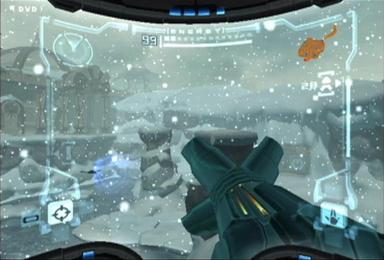

Release history
The game reached wider markets in the late 1980s: it was published in Europe and in North America for the Nintendo Entertainment System, with releases appearing across 1987 and 1988. Decades later, Metroid was reissued on modern platforms such as the Wii through retro and virtual-console services, making it accessible to new generations of players.
Gameplay and structure
Metroid emphasizes exploration of a connected world where progress requires finding new items and abilities. Players traverse subterranean environments, backtrack to earlier areas once new tools are acquired, and face bosses that gate further advancement. This progression loop—explore, find upgrades, unlock previously inaccessible regions—became a defining characteristic of the series and a template for later games in the genre.
Characters and series
The protagonist, Samus Aran, is presented as a solitary bounty hunter exploring alien ruins. Metroid is the first entry in the larger Metroid series, and its narrative and mechanics were expanded in subsequent installments and remakes. Samus appears throughout the franchise and in crossover titles; later entries continue to refine the mixture of atmosphere, exploration, and action first seen here (later games).
Legacy and influence
Metroid is historically significant for popularizing a design that rewards curiosity, careful mapping, and ability-driven progression. Combined with contemporaneous titles, it inspired the term Metroidvania to describe games that mix platforming with interconnected maps and ability-gated exploration. Its atmospheric tone, focus on exploration, and the surprise reveal about the protagonist contributed to its lasting reputation in gaming history.
Key features
- Non-linear exploration and interconnected environments.
- Progression through item and weapon upgrades.
- Atmospheric soundtrack and alien settings.
- Boss encounters that gate advancement.
Related articles
Author
AlegsaOnline.com Metroid (1986 video game) Leandro Alegsa
URL: https://en.alegsaonline.com/art/64245