
Second-generation video game consoles (1976–1984)
Survey of the second generation of home video game consoles (circa 1976–1984): key systems, technical traits, market dynamics, and its lasting influence on the industry.
Overview
The second generation of video game consoles began in the mid‑1970s and extended through the early 1980s. It is frequently called the early 8‑bit era, although hardware varied and not every system used an 8‑bit CPU. This generation marked the transition from single‑game dedicated units to programmable cartridge‑based systems that could run many titles developed by different companies. The era launched with systems such as the Fairchild Channel F and other early programmable consoles and culminated in a crowded marketplace dominated for years by the Atari 2600.
Image gallery
10 Images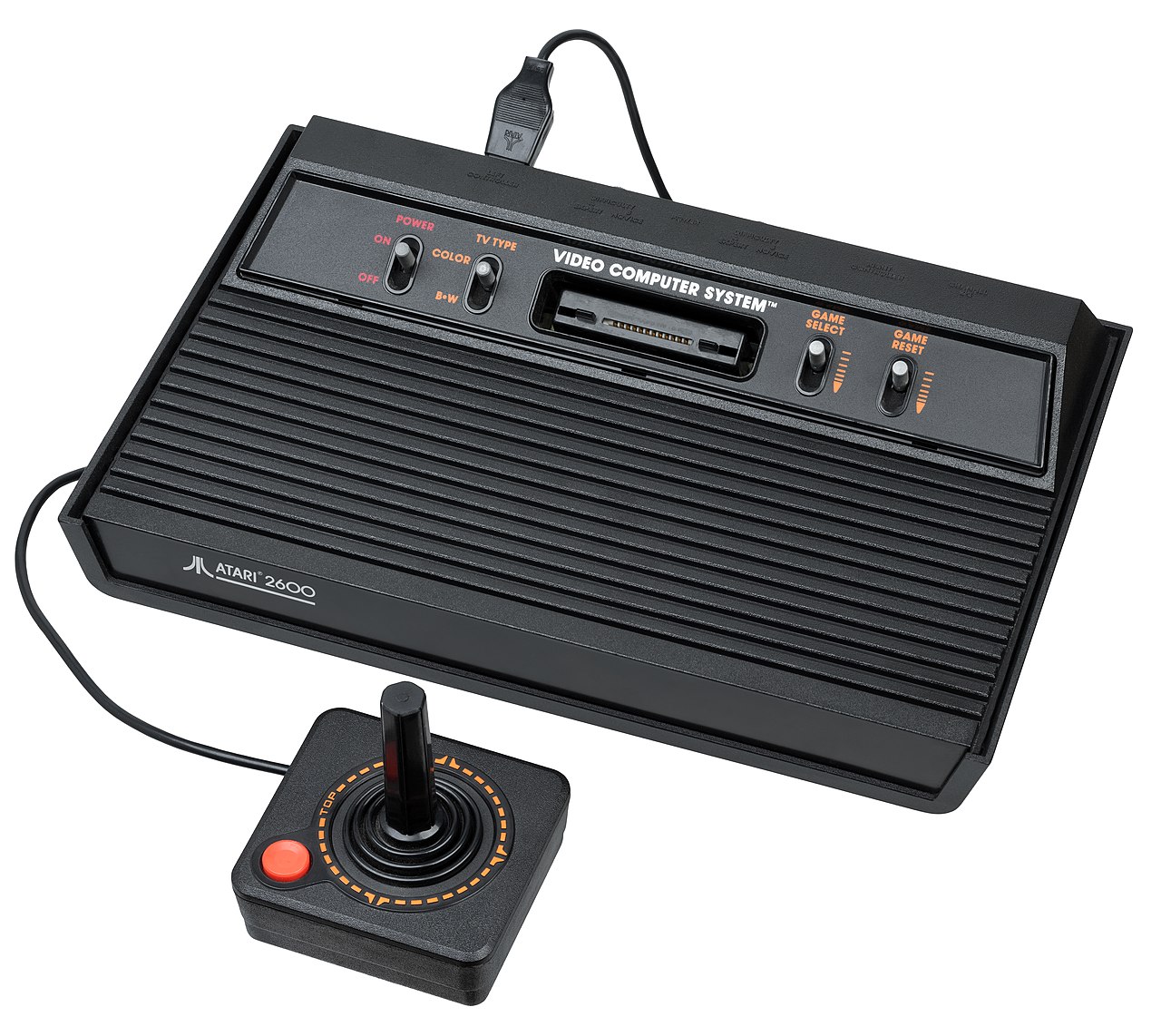


Technical characteristics
Second‑generation consoles introduced a few consistent features that distinguished them from first‑generation dedicated videogame boxes. Most offered removable ROM cartridges to store game code, microprocessor‑based designs rather than hardwired logic, more sophisticated video and sound than the earlier Pong‑style devices, and a move toward standardized controllers (joysticks, numeric keypads, or gamepads). Graphics were still primitive by later standards, using tile or sprite techniques and limited palettes, but were sufficient to support arcade ports and a wider variety of game genres.
Major systems and market leaders
A number of different consoles competed during this period. Among the most influential were:
- Atari 2600 — the best‑known and longest‑selling platform of the generation; its cartridge library and third‑party publishing helped expand the home market.
- Mattel Intellivision — positioned as a more advanced competitor with distinctive controllers and sports titles.
- ColecoVision — known for strong arcade ports and improved graphics over earlier rivals.
- Fairchild Channel F — one of the first programmable cartridge systems and an early technical milestone.
Sales figures from the era and later retrospectives show the Atari 2600 selling tens of millions of units over its lifetime, while other platforms achieved sales in the low millions or hundreds of thousands as the market shifted and new competitors arrived.
Decline, crash, and legacy
The second generation ended amid an industry downturn often called the video game crash of 1983. Contributing factors included market saturation, a flood of poor‑quality or incompatible cartridges, intense price competition, and shrinking consumer confidence. Many companies left the market or reorganized, and major distributors cut back on video game inventory. The collapse cleared the way for a new generation of systems and business models in the mid‑1980s.
Importance and notable facts
Despite the crash, the second generation established several lasting industry practices: a software marketplace for cartridges (and later media), the role of third‑party developers, cross‑platform arcade conversions, and the concept of a console lifecycle tied to hardware revisions. Its catalog of games produced early examples of genres—platformers, shooters, sports, and adventure titles—that would be refined in later generations. Collectors and historians still study second‑generation hardware and software for their influence on game design and home computing.
For further information on individual systems, development history, and technical specifications, see resources linked to each console above: second generation overview, Atari 2600 details, Intellivision background, and ColecoVision overview.
Questions and answers
Q: When did the second generation of video game consoles begin?
A: The second generation of video game consoles began in 1976.
Q: Which consoles started the second generation?
A: The second generation began with the release of the Fairchild Channel F and Radofin Electronics' 1292 Advanced Programmable Video System.
Q: What is the second generation sometimes called?
A: The second generation is sometimes called the "early 8-bit era".
Q: Which console was the most popular during the second generation?
A: The Atari 2600 was the most popular video game console for much of the second generation.
Q: When did the second generation end?
A: The second generation ended in 1984 due to the video game crash of 1983.
Q: How many units of the Atari 2600 had been sold as of 2004?
A: As of 2004, the Atari 2600 has sold 30 million units.
Q: How many units of the Intellivision had been sold as of 1990?
A: As of 1990, the Intellivision had sold 3 million units.
Related articles
Author
AlegsaOnline.com Second-generation video game consoles (1976–1984) Leandro Alegsa
URL: https://en.alegsaonline.com/art/44514
Sources
- images.businessweek.com : "Atari VCS (Atari 2600)"
- classicgaming.gamespy.com : "Mattel Intellivision - 1980-1984"
- intellivisionlives.com : "Ask Hal: Frequently Asked Questions to the Blue Sky Rangers"
- intellivisiongames.com : "playstaion 303"
- books.google.com : Strategic management: an integrated approach
- arstechnica.com : "EA's Madden 2007 sells briskly, but are games gaining on movies?"