
Hesperides: nymphs of the western garden in Greek mythology
The Hesperides are mythic nymphs who tended a remote western garden with golden apples. Accounts vary about their number, parentage, location and role in stories such as Heracles' labors and Greek poetic tradition.
Overview
The Hesperides are a group of nymphs of ancient Greek myth traditionally associated with the evening and the far western edge of the known world. In many stories they guard a secluded, fertile garden that contains a tree bearing golden apples said to confer longevity or divine favor. Early Greek poets and later classical writers treated the Hesperides as both personified powers of the west and as local guardians of a sacred orchard, and their name is often linked to the evening star or the deity Hesperus. See related nymph traditions and their place in broader Greek mythology.
Image gallery
10 Images


Names, parentage and characteristics
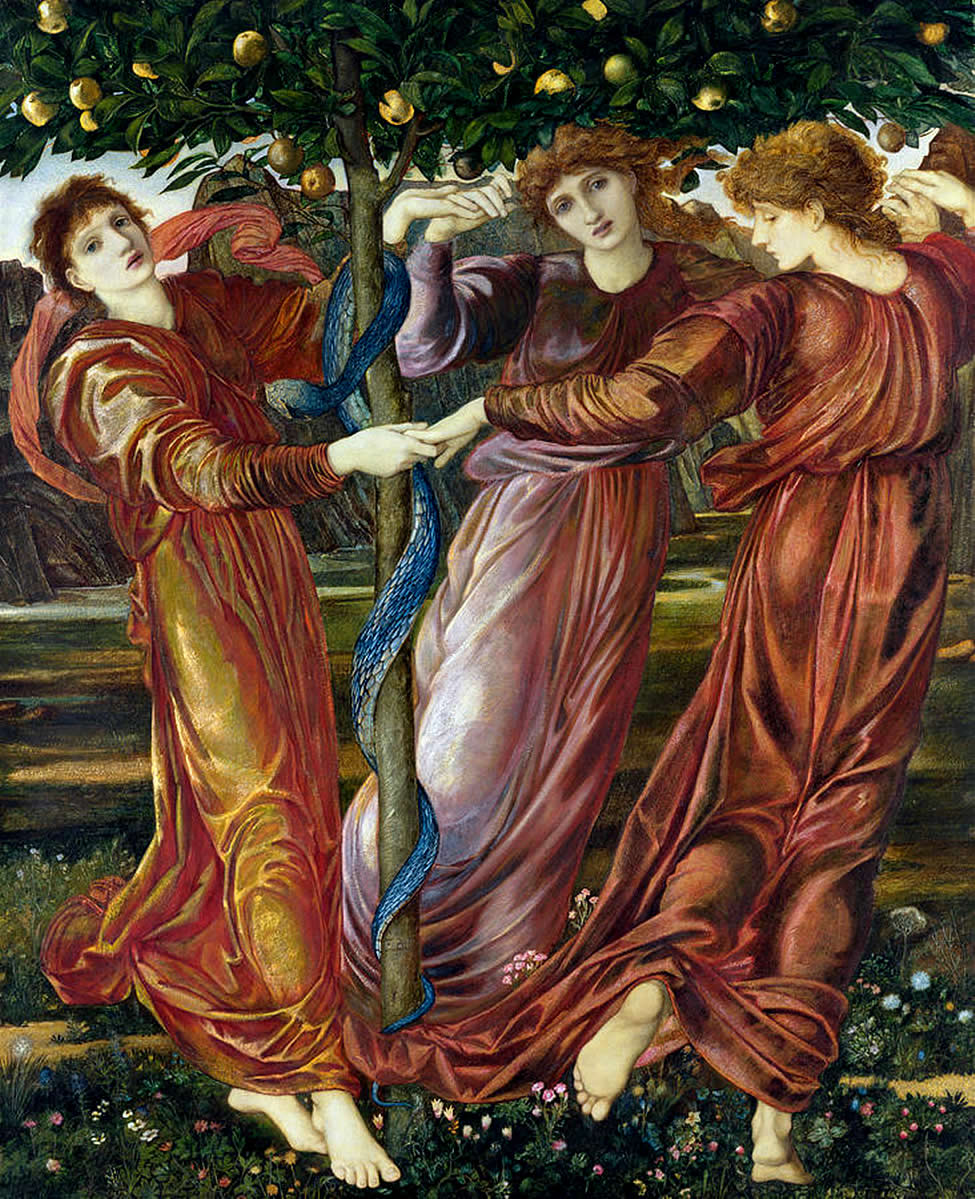
Classical sources differ about how many Hesperides there were and who their parents might be. Some authors call them daughters of Hesperus (the evening), others of Atlas or of Night. The list of individual names varies, but common examples that appear across traditions include Aegle, Erytheia and Hesperia. They are typically portrayed as youthful, radiant figures who tend the garden and sing at sunset; in art and literature they can represent both literal maidens and symbolic aspects of evening, western lands, and the boundary between mortal and divine realms. The garden itself is a recurring motif in Mediterranean myth.
The garden, the golden apples and the dragon
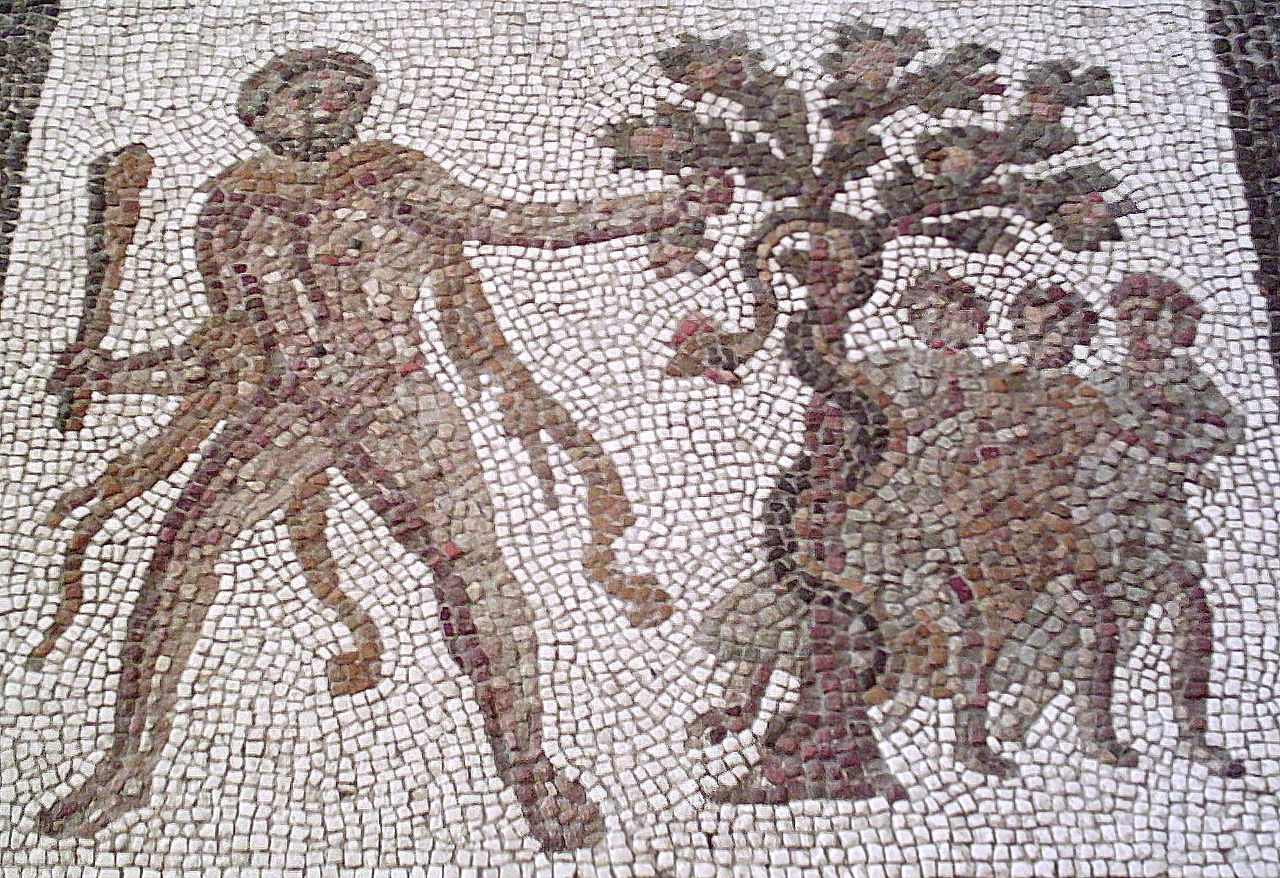
The central feature of Hesperidean myth is the orchard with its golden apples. In some traditions the tree was a wedding gift from Gaia or from the gods to Hera; in others its fruit symbolizes immortality or the divine order. A dragon or serpent, often named Ladon, is described as guarding the tree. Accounts disagree whether the Hesperides themselves or their guardian did the actual watching, but both the dragon and the nymphs are fixed elements of the story. The garden is located in varying places in different sources, commonly set beyond the Pillars of Hercules near the Atlas Mountains or along the Libyan coast. Libya and the Atlas region are frequent geographic markers used by ancient writers.
Major myths and cultural role
The Hesperides figure prominently in the tale of Heracles' penultimate labors: he is sent to obtain the golden apples. Different versions tell different methods—some recount that Heracles killed Ladon and took the apples, while others relate that he persuaded Atlas to fetch them while he bore the sky for a time. Beyond Heracles, the garden and its keepers are evoked by poets to mark the western limit of the world, the time of sunset, and the idea of a distant, desirable but guarded prize. Their story has been retold in epic, lyric, and later classical literature, and appears in vase painting and ancient commentary. Classical sources treat their details inconsistently, which has allowed many poetic variations.
Notable distinctions and themes
- Boundary symbolism: the Hesperides mark the transition between the known Mediterranean world and the mysterious ocean at its margins.
- Evening and renewal: association with Hesperus and sunset ties them to cycles of day and night and, symbolically, to rebirth or mortality.
- Variability of tradition: ancient accounts differ on names, number, parentage and exact location, making the Hesperides a flexible mythic element used by poets and mythographers.
Together, these aspects make the Hesperides an enduring and evocative motif in Greek myth: guardians of a sacred, far-western grove, custodians of a fruit that stands for immortality or divine favor, and figures whose details shift with the storyteller but whose basic symbolic role remains recognizable. For further reading on their iconography and literary reception, consult broader works on Greek nymphs and mythic geography. Nymphs overview, mythic catalogs, and regional studies such as those treating sacred gardens and Libyan/Atlas traditions can illuminate how the Hesperides were viewed across time.
Related articles
Author
AlegsaOnline.com Hesperides: nymphs of the western garden in Greek mythology Leandro Alegsa
URL: https://en.alegsaonline.com/art/43935