
Hestia — Greek goddess of the hearth, home and civic unity
Hestia, ancient Greek goddess of the hearth and domestic life, guarded household fires, communal altars and the bond between families and city-states; Vesta is her Roman counterpart.
Hestia is the ancient Greek goddess who personified the hearth, domestic order and the sacred flame that sustained households and communities. She is traditionally described as a virgin deity and one of the original children of Cronus and Rhea. While relatively absent from heroic myths, Hestia's presence was constant in daily religious practice.
Image gallery
9 Images



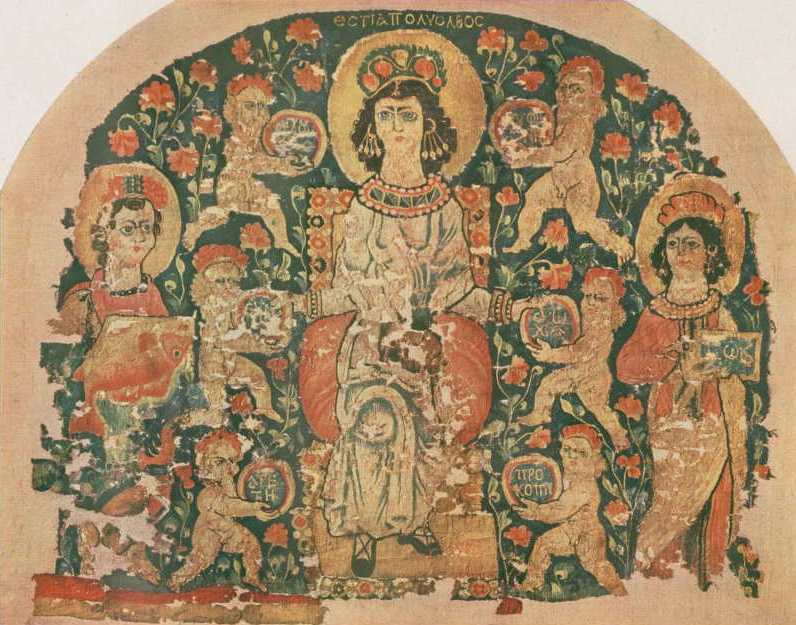

Characteristics and symbols
Hestia was associated with the household hearth and with the public fires kept in civic centers. Common attributes and associations include:
- the household and communal hearth;
- ritual flames and first offerings at sacrifices;
- symbols of domestic stability and hospitality;
- her sacred animal, the donkey, mentioned in some ancient sources.
She is linked to both private family life and to the unity of the polis: the public hearth in the prytaneion represented the city’s identity.
Myth, cult and practices
Unlike many Olympian gods, Hestia rarely appears in long narrative myths. Classical accounts emphasize her vow of chastity and her role as the keeper of the first portion at sacrifices. Greek households kept their own hearth-fire and regarded it as her altar, while newly founded colonies often carried a flame from the mother city’s hearth to their new settlement, symbolizing continuity and allegiance.
Hestia had few temples; worship was predominantly domestic and civic rather than temple-centered. The Roman equivalent, Vesta, developed a distinct public cult with the Vestal Virgins, but the underlying idea of a sacred, sustaining flame and of altars as focal points of social order remains common to both traditions.
Hestia’s importance lies less in dramatic stories than in everyday religious life: she stood for hospitality, family cohesion and the moral center of both home and city, making her a foundational figure in Greek religion.
Related articles
Author
AlegsaOnline.com Hestia — Greek goddess of the hearth, home and civic unity Leandro Alegsa
URL: https://en.alegsaonline.com/art/43945