
Maia: Greek goddess of the fields and mother of Hermes
Maia, eldest of the Pleiades in Greek myth, is a pastoral goddess associated with spring, nurturing and motherhood; she is best known as the mother of Hermes and as a figure in Arcadian mountain lore.
Overview
Maia is a figure of Greek mythology associated with growth, the fields and the coming of spring. Classical sources describe her as the eldest and most beautiful of the seven Pleiades, a group of nymphs often linked with agricultural and pastoral life. Maia’s name and character are connected with increase and nurturing, and later traditions associate her with maternal and vegetative forces. She is most widely known as the mother of the god Hermes, fathered by Zeus, and as a modest, reclusive deity of mountain and field.
Image gallery
4 Images

Origins and family
In genealogical accounts Maia is one of the seven daughters of the Titan Atlas and the Oceanid Pleione. The sisters were said to be born on Mount Cyllene in Arcadia and are placed among the stars as the Pleiades. As eldest of the sisters, Maia often appears in lists and hymns as a quiet, retiring figure whose primary roles are maternal care and sheltering protection. Her origin links her to the highland sanctuaries of Arcadia and to a network of local cults rather than a single pan-Hellenic temple.
Birth of Hermes and related myths
The best-known story about Maia is the birth of Hermes. According to the tradition preserved in Hesiod and later poets, Zeus visited Maia and she gave birth to Hermes in a secluded cave on an Arcadian mountain. Maia wrapped the infant in blankets and rested, only to awaken and find Hermes already active: he had crossed into Thessaly, stolen some of Apollo’s cattle, and crafted the first lyre from a tortoise shell. This episode highlights Maia’s maternal role and the precocious ingenuity attributed to her son.
Connections with other myths
Maia appears in other strands of mythic narrative. When Hera transformed Kallisto into a bear, Maia is sometimes said to have cared for Kallisto’s son Arkas or to have been associated with the child’s fosterage. Such connections underline Maia’s place among a circle of mountain nymphs who protect children, herds and household flocks.
Cult and representation
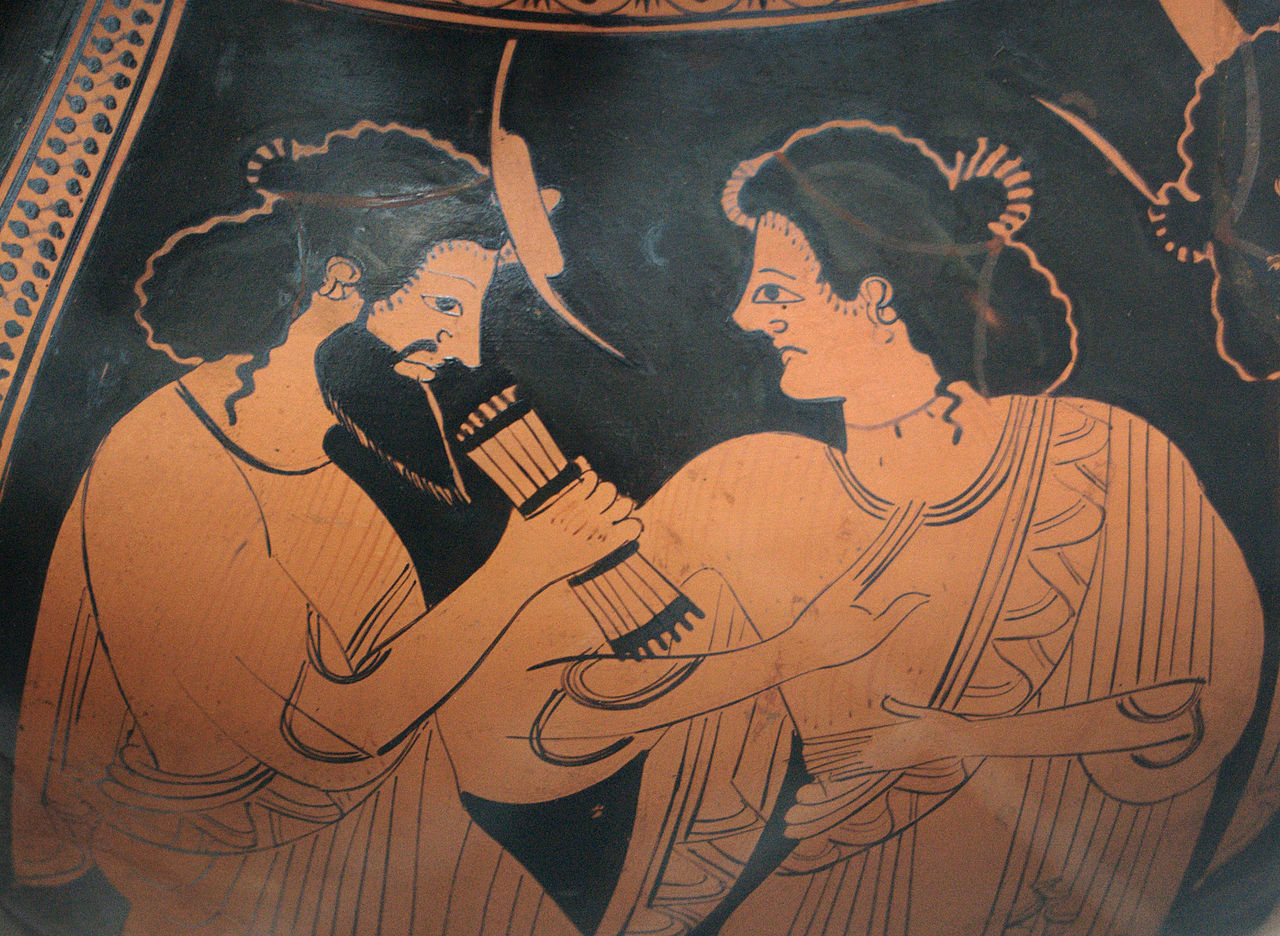
Maia did not command a large, unified cult like the Olympian goddesses; instead she figures in local rites and is named in votive lists from Arcadian sanctuaries. Sculptural and literary representations emphasize modesty and matronly restraint: Maia is often depicted veiled or in simple garments, the image of a shy mother of a clever and mobile son. Roman authors sometimes identified her with similar maternal figures in their own tradition.
Legacy and cultural influence
- Maia’s name has been linked to the Latin Maius and to cultural associations with spring and growth.
- Her role as Hermes’ mother anchors several origin stories about the messenger god, giving a domestic context to his youthful exploits.
- As a Pleiad, Maia appears in star-lore and poetic accounts that fuse genealogy with astronomy, and she figures in later literature, art and scholarly discussion of minor deities.
Modern scholarship treats Maia as an example of how Greek religion integrated local nymphs and mountain deities into broader mythic genealogies. Her presence in myths about birth, care and the beginnings of invention offers insight into ancient ideas about motherhood, pastoral life and the relationship between humans, animals and landscape. For further reading see entries on the Pleiades and the Arcadian cycle in classical compendia and translations of Hesiod and other ancient poets, which collect the main variants of Maia’s stories and attestations. Additional resources and commentaries can be found through specialized surveys and classical lexica (Maia overview, Pleiades) that summarize literary and archaeological evidence.
Questions and answers
Q: Who is Maia in Greek mythology?
A: Maia is the goddess of the fields and the oldest of the Pleiades in Greek mythology.
Q: How many daughters did Atlas and Pleione have?
A: Atlas and Pleione had seven daughters, known as the Pleiades.
Q: Where were Maia and her sisters born?
A: Maia and her sisters were born on Mount Cyllene, in the region of Arcadia.
Q: Who is the father of Hermes?
A: Zeus, another god, is the father of Hermes.
Q: Where was Hermes born?
A: Hermes was born in a cave in Arcadia, the same region where Maia and her sisters were born.
Q: What did Hermes do after he was born?
A: After he was born, Hermes crawled away to Thessaly, where he invented the lyre and stole some of Apollo's cattle.
Q: Who did Maia look after when Hera turned Kallisto into a bear?
A: Maia looked after Arkas, Kallisto's son, when Hera turned Kallisto into a bear.
Related articles
Author
AlegsaOnline.com Maia: Greek goddess of the fields and mother of Hermes Leandro Alegsa
URL: https://en.alegsaonline.com/art/60743