
Shepherd: roles, practices, history and cultural importance
Overview of shepherding: duties, tools, historical development, pastoral systems, animal management, regional practices and modern adaptations in agriculture and culture.
Overview
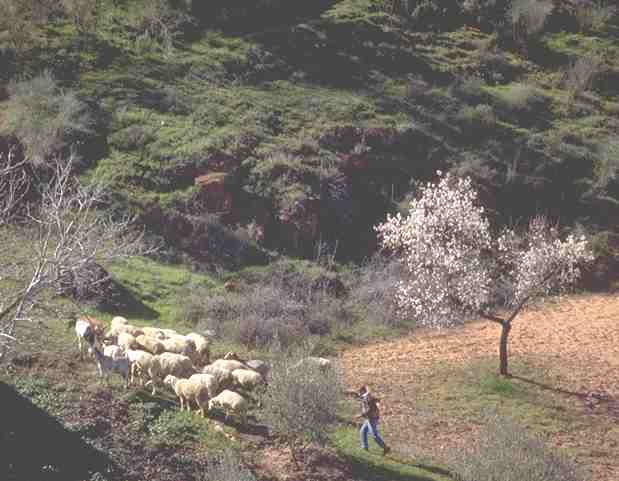
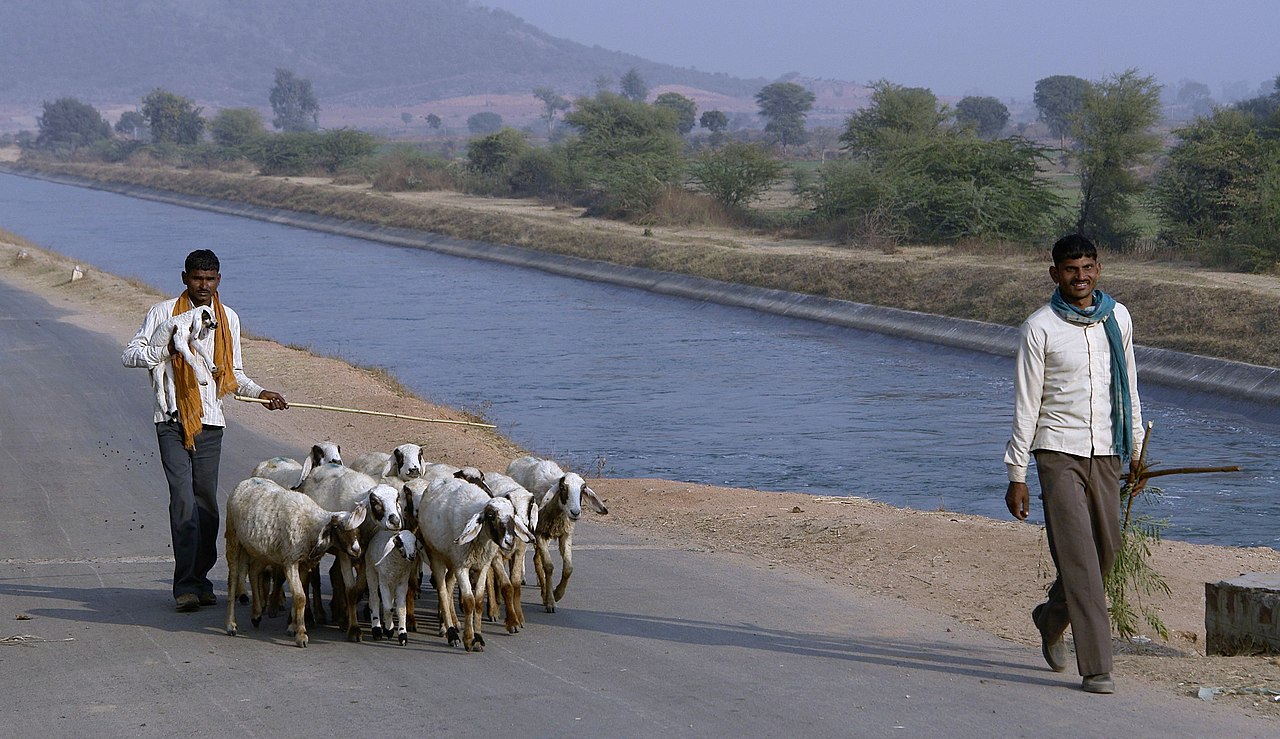
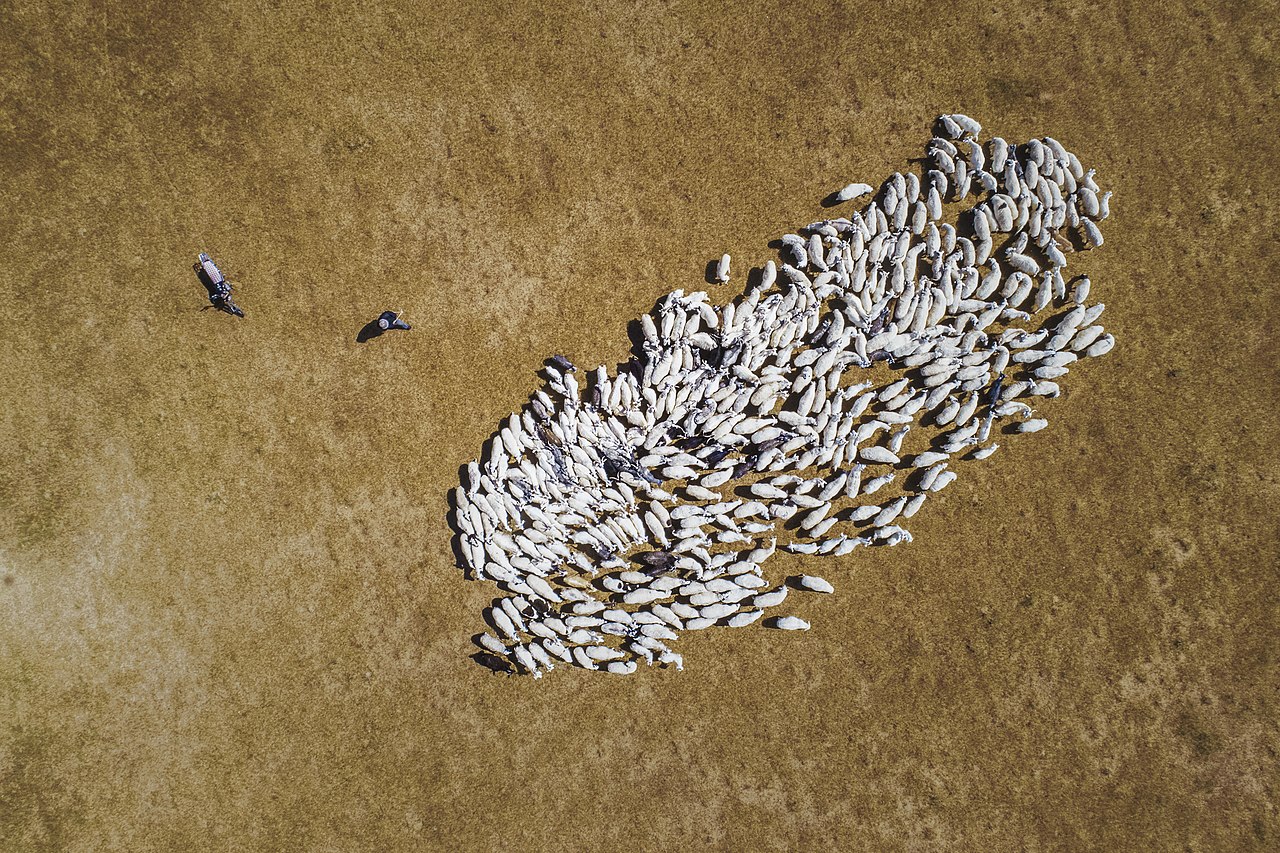
A shepherd is a person who tends, guards and manages domesticated sheep. Traditionally associated with open grazing and seasonal movement, the role centers on keeping a group of sheep—commonly called a herd or flock—healthy, fed and safe. Shepherding can be practised by individuals, families or teams and ranges from small-scale subsistence operations to large commercial enterprises. The work combines livestock husbandry, basic veterinary care and management of grazing resources.
Image gallery
10 Images




Daily duties and skills
Typical tasks include guiding animals to pasture, monitoring health and body condition, assisting with lambing, and moving the flock between grazing areas. Shepherds must recognise signs of illness or injury, manage parasites, provide water, and arrange vaccinations or treatments when necessary. The job requires knowledge of sheep behaviour, local terrain and weather patterns, as well as practical skills such as animal handling, record keeping and the use of simple tools.
Tools, animals and techniques
Common aids include a staff or crook for manoeuvring animals, temporary fencing and night pens, and shearing tools for harvest of fleece. Dogs specially trained for livestock work are widely used to gather, drive and hold sheep, increasing efficiency and reducing stress on animals. Herding can occur on foot, on horseback or from vehicles in modern operations; the general practice of herding encompasses these methods.
- Herding dogs: Border Collies and similar breeds are trained to work with flocks.
- Staffs and crooks: Traditional tools used to guide and restrain animals.
- Folding and night pens: Secure areas where sheep rest and newborn lambs are protected.
Products and economic importance
Sheep are kept for multiple products. In some regions they provide milk used for cheese, they supply meat (lamb and mutton), and are prized for wool used by textile industries and craftspeople. Beyond commodities, managed grazing can be part of land stewardship, helping to maintain open habitats and reduce fire risk when practised sustainably.
History, pastoralism and migration
Shepherding is one of the oldest forms of animal husbandry and appears across many regions since antiquity. Systems range from sedentary shepherding near permanent farms to transhumance, where flocks migrate seasonally between lowland and highland pastures. Historically shepherds sheltered flocks from predators such as wolves and large carnivores and adapted animal management to shifting climate and landscape conditions.
Regional variations and related roles
Practices vary with climate, terrain and culture. In some areas, shepherds also act as shepherd-farmers, combining arable cropping and flock management. Related livestock specialists include the swineherd who tends pigs and the goatherd who manages goats; these terms reflect traditional divisions of labour on farms.
Animal health, breeding and welfare
Good shepherding involves selective breeding for traits such as hardiness and fleece quality, parasite control, and careful management during lambing to reduce mortality. Welfare considerations include providing shelter, clean water, appropriate nutrition and humane handling. Many modern shepherds use record-keeping and advice from veterinary professionals to maintain flock health.
Modern adaptations and technology
Contemporary shepherding ranges from artisanal, low-input approaches that emphasise traditional skills to technologically aided systems that use GPS tracking, electronic identification, mobile fencing and flock-management software. These tools can improve traceability, reduce labour and help with pasture rotation planning while also raising questions about scale and environmental impact.
Cultural significance and language
The shepherd appears frequently in literature, religion and folklore as a symbol of guidance, care and simplicity. Terminology such as "shepherdess" historically denoted a female practitioner, though gender-neutral language is common today. Proverbs and idioms derived from pastoral life reflect the long-standing influence of shepherding on language and social thought.
Contemporary challenges
Shepherds face diverse challenges, including market pressures, loss of grazing land to development, predator conflicts, and the need to adapt to changing climates and regulations. Conservation grazing and integrated farming approaches provide pathways for shepherds to contribute to biodiversity while maintaining viable livelihoods.
For further reading on specific practices and regional variations, consult livestock management guides and agricultural extension resources. This article summarises broadly known aspects of shepherding without exhaustive regional detail.
Questions and answers
Q: What is a shepherd?
A: A shepherd is someone who looks after sheep.
Q: What do shepherds usually do with sheep?
A: Shepherds usually take the sheep out into fields so that they can graze (eat the grass).
Q: What is a cowherd?
A: A cowherd is someone who looks after cows.
Q: What is a swineherd?
A: A swineherd is someone who looks after pigs.
Q: What is a goatherd?
A: A goatherd is someone who looks after goats.
Q: What is a herd?
A: A herd is a group of animals.
Q: What was the shepherd's job in the past?
A: The shepherd’s job was to make sure the sheep were safe and they were not eaten by wolves or other wild animals.
Related articles
Author
AlegsaOnline.com Shepherd: roles, practices, history and cultural importance Leandro Alegsa
URL: https://en.alegsaonline.com/art/89662