
Twelve Olympians (Greek mythology)
The principal gods of ancient Greek religion who resided on Mount Olympus. This article summarizes their membership, roles, origins, variations in the roster, and cultural importance.
Overview
The Twelve Olympians are the principal deities in classical Greek religion and myth, traditionally said to dwell on Mount Olympus. They occupy the highest rank of the Greek divine hierarchy and appear throughout myths, cult practice, and ancient art. The expression "Olympian" identifies their association with Olympus and their status as members of a ruling divine council in many literary sources, though the exact roster varies between authors and regions. For a general introduction to the tradition, see Greek mythology.
Image gallery
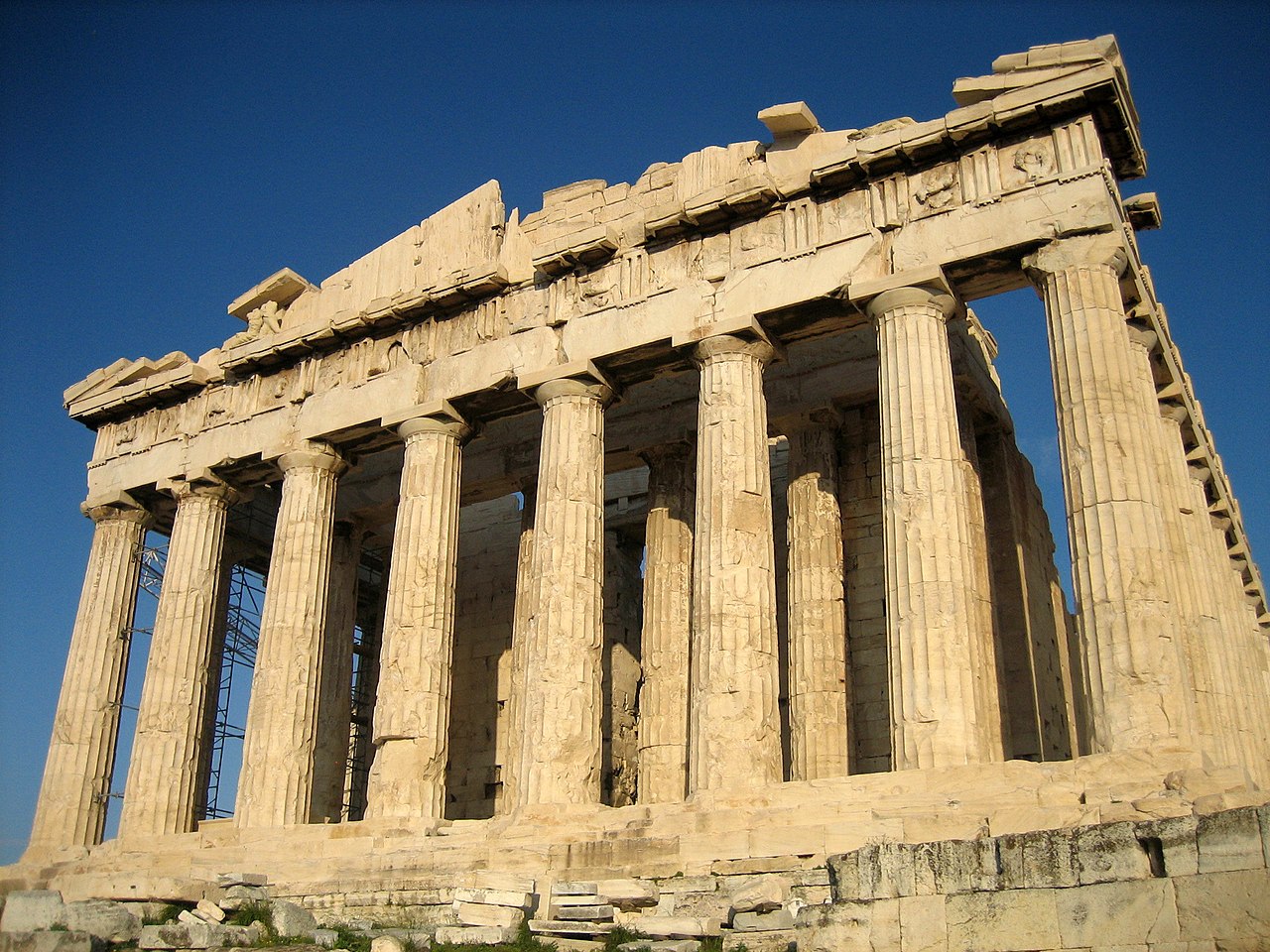
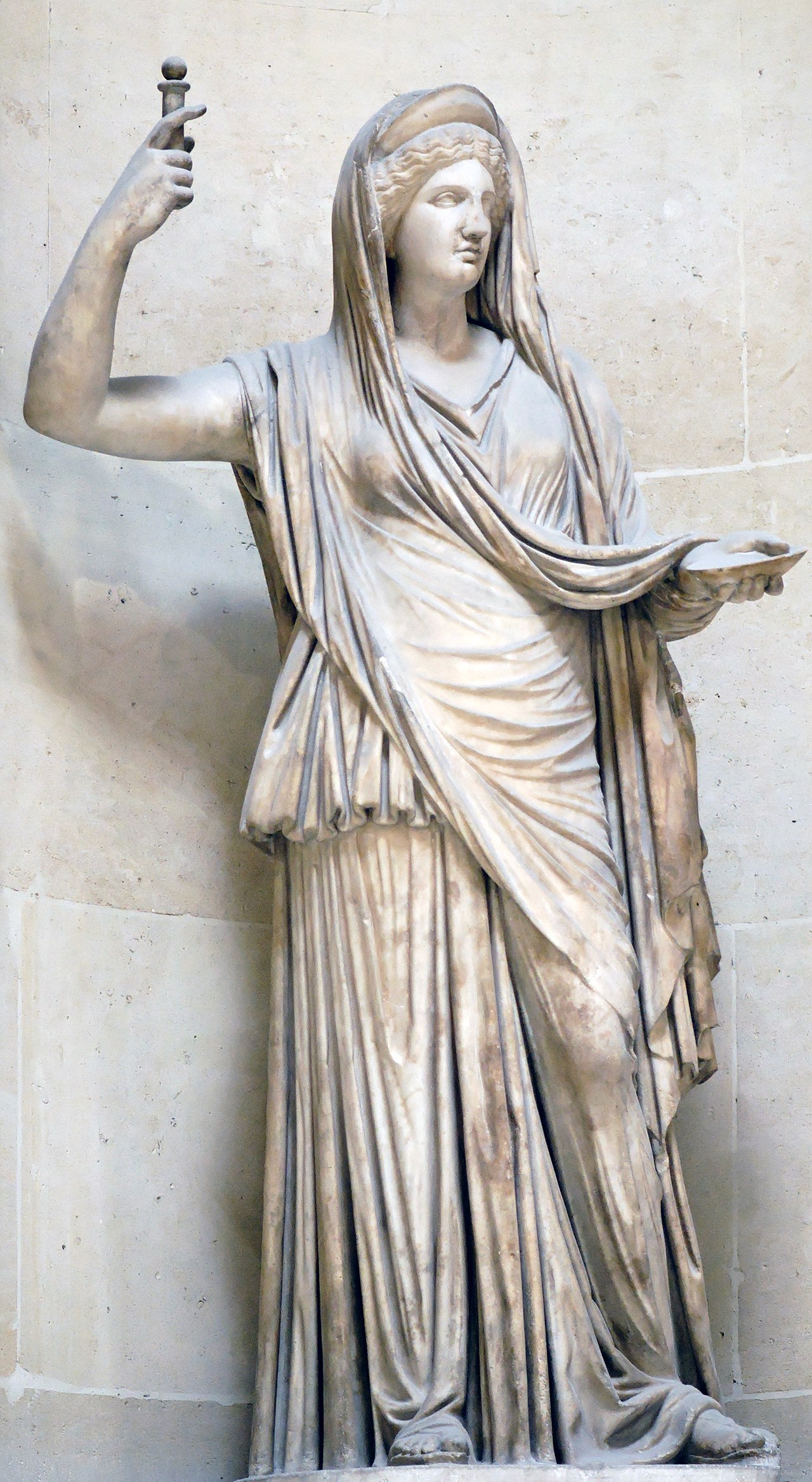
10 Images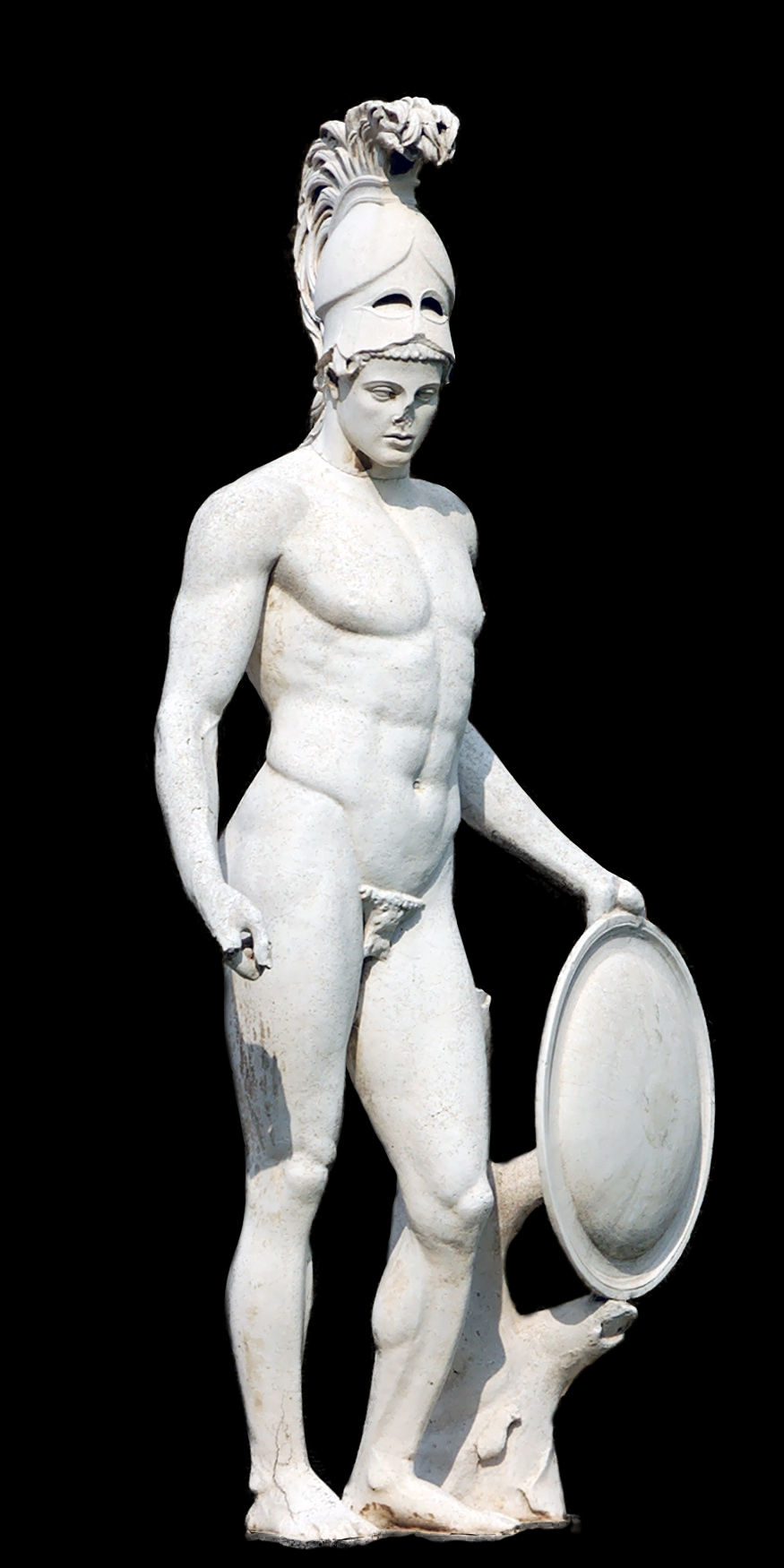





Principal members
Several deities are consistently counted among the Olympians. Most standard lists include Zeus (king of the gods and sky), Hera (marriage and family), Poseidon (sea and earthquakes), Demeter (agriculture and grain), Ares (war), Hermes (messenger, commerce, travel), Hephaestus (crafts and metallurgy), Aphrodite (love and desire), Athena (wisdom, craft, and strategic war), Apollo (music, prophecy, healing), and Artemis (hunt and wilderness). These figures frequently appear together in literary, religious, and artistic contexts as the core Olympian group.
Origins and mythic history
The rise of the Olympians in Greek myth follows the succession narratives in which the younger generation of gods overthrows earlier ruling powers. The most familiar account places Zeus and his siblings in conflict with the Titans; after the victory commonly called the Titanomachy the new generation established their reign. Among the elder siblings are Hera, Poseidon, Demeter, Hestia, and Hades. Many other Olympians are described as children of Zeus by different mothers, reflecting diverse local myths and genealogies.
Functions, cult, and representation
Each Olympian normally governs particular aspects of world order, human life, or artistic and social practice: Apollo with prophecy and the arts, Artemis with hunting and childbirth, Athena with wisdom and craft, Aphrodite with love, and so on. These roles shaped the forms of worship, such as festivals, sacrifices, temples and local priesthoods. Not all revered gods were household members of Olympus in the same way: for example, Hades rules the underworld and is often depicted as separate from the daily council of Olympus, even though he is one of the major divine figures.
Variations in the roster and notable facts
While the phrase "Twelve Olympians" implies a fixed group, ancient authors and regions offered different lists. Some sources extend the set to as many as seventeen deities over time by substituting or rotating members. The most commonly discussed substitution is between Hestia, goddess of the hearth, and Dionysus, god of wine and ritual ecstasy; one later tradition says Hestia yielded her seat so that Dionysus could take part in the Olympian council, though accounts vary and earlier traditions often portray Hestia as an immutable presence. Other shifts reflect local cults and poetic preference rather than centralized doctrine.
Legacy and distinctions
The Twelve Olympians have had a lasting cultural influence, serving as subjects for classical literature, drama, visual arts, and modern retellings. They also illustrate contrasts within Greek religion between sky-centered, civic, and chthonic (underworld) worship. When studying the Olympians it is useful to distinguish canonical or frequent attributes—what each god governs—from the many local, ritual, and literary variations that produce different emphases in particular places and periods.
Questions and answers
Q: Who are the Twelve Olympians?
A: The Twelve Olympians are the most important gods of Greek mythology who lived atop Mount Olympus.
Q: How many gods have been said to be Olympians?
A: Seventeen gods have been said to be Olympians.
Q: How many Olympians were there at the same time?
A: There were never more than twelve Olympians at the same time.
Q: Who are the always considered Olympians?
A: Zeus, Hera, Poseidon, Demeter, Ares, Hermes, Hephaestus, Aphrodite, Athena, Apollo, and Artemis are always considered Olympians.
Q: Who are the gods who have sometimes been Olympians?
A: Hestia, Dionysus, and Hades are the gods who have sometimes been Olympians.
Q: Why is it theorized that Hestia gave up her place to Dionysus?
A: It is theorized that Hestia gave up her place to Dionysus because she wanted to live amongst humans, however, no records of this actually exist.
Q: How did the Olympians become the most important gods?
A: The Olympians became the most important gods when Zeus and his brothers and sisters won a war against the Titans.
Related articles
Author
AlegsaOnline.com Twelve Olympians (Greek mythology) Leandro Alegsa
URL: https://en.alegsaonline.com/art/102223
Sources
- pantheon.org : "Athena"