
Lyre (ancient stringed instrument)
A lyre is a small harp-like stringed instrument with a yoke and crossbar. Prominent in ancient Mediterranean cultures, it was used for song accompaniment, education, ritual and storytelling.
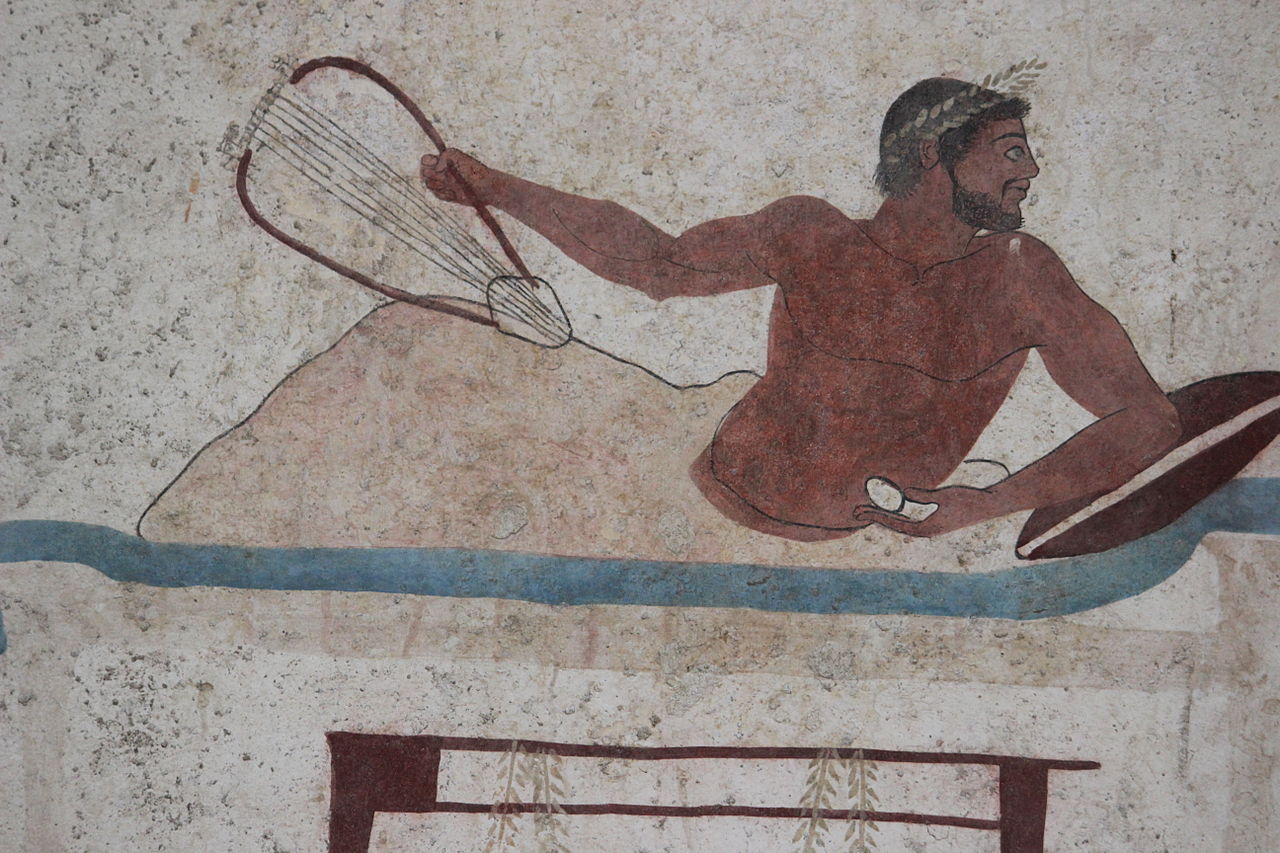
The lyre is a stringed instrument characterized by a U-shaped frame, a crossbar and several strings running from the crossbar to a soundbox. Smaller and more portable than many orchestral instruments, it was commonly held on the lap or against the body and plucked with the fingers or a plectrum. Its construction and playing style place it somewhere between the plucked harp and the fretted guitar, but it belongs to its own family of yoke-based instruments.
Image gallery
10 Images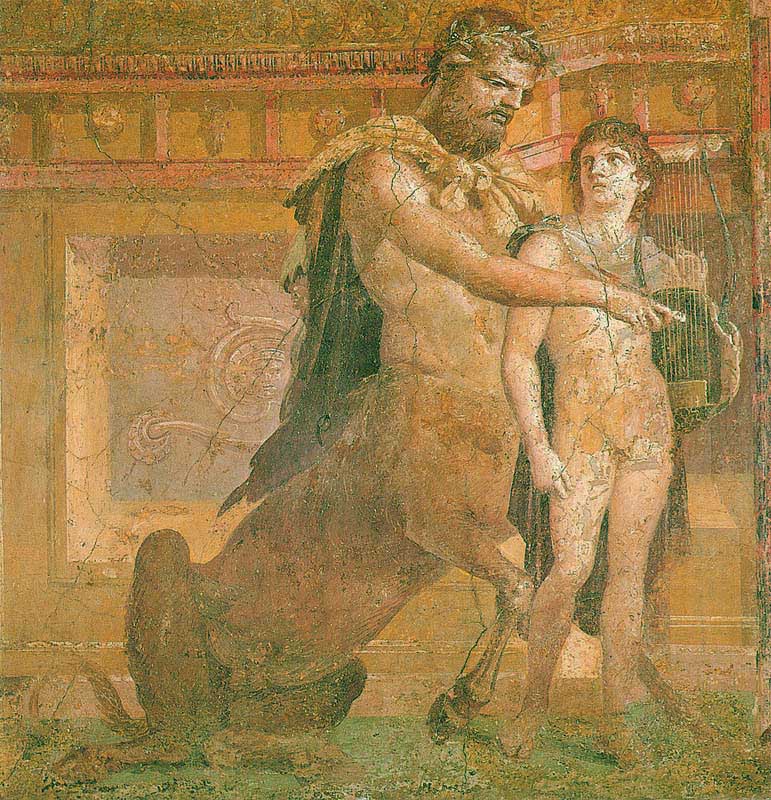


Characteristics and construction
Typical components include a hollow resonator (often carved from wood), two curved arms, a crossbar that links the arms, strings of gut or modern synthetic material, and a bridge or nut to transmit string vibration. Tunings were simple and suited to vocal accompaniment rather than chromatic playing. Modern reconstructions may use metal or nylon strings and contemporary tuning pegs.
History and cultural role
Archaeological finds and iconography show lyres were widespread in the ancient Near East, Egypt and the Aegean world. They appear in scenes of worship, courtly performance and education. In classical Greek culture the lyre is strongly associated with poetry, song and mythic figures; it is often depicted alongside singers and reciters. As one of the earliest known members of the broader class of early string instruments, the lyre helped establish practices of melodic accompaniment.
Playing techniques and uses
Players typically supported the instrument with one arm and plucked the strings with the other hand, either with bare fingers or a plectrum. The lyre was suited to accompanying vocal lines, recited poetry and simple dances. Its portability made it useful for itinerant musicians and teachers; in several cultures it was an instrument of instruction and social ceremony.
Types, distinctions and modern revival
There are regional varieties—ancient Greek lyres differ in shape and string count from Near Eastern examples—and related instruments such as the larger kithara or the bowed lyra that developed later. In recent decades historical-performance enthusiasts, folk musicians and reconstructions based on museum finds have revived interest in lyre playing, adapting materials and techniques for contemporary contexts.
Notable aspects include the lyre’s symbolic role in literature and myth, its function as an emblem of musical education, and its influence on subsequent plucked instruments. For readers seeking practical resources, museum collections and specialized builders offer detailed visual and technical information about specific historical models.
Related articles
Author
AlegsaOnline.com Lyre (ancient stringed instrument) Leandro Alegsa
URL: https://en.alegsaonline.com/art/60147