
Hildisvíni — the battle-swine of Norse myth
Hildisvíni, Old Norse 'battle-swine', is the boar associated with the goddess Freyja. Known from the poem Hyndluljóð, it appears as her mount and figure of war, protection, and ritual disguise.
Hildisvíni (Old Norse: “battle-swine”) is a mythic boar connected with the Norse goddess Freyja. The name itself combines hildr, "battle," and svín, "swine," indicating a creature associated with warfare and protection. Hildisvíni appears in the Poetic Edda and later scholarship treats it as an emblematic animal of a powerful fertility and war deity.
Image gallery
10 Images


Attestations
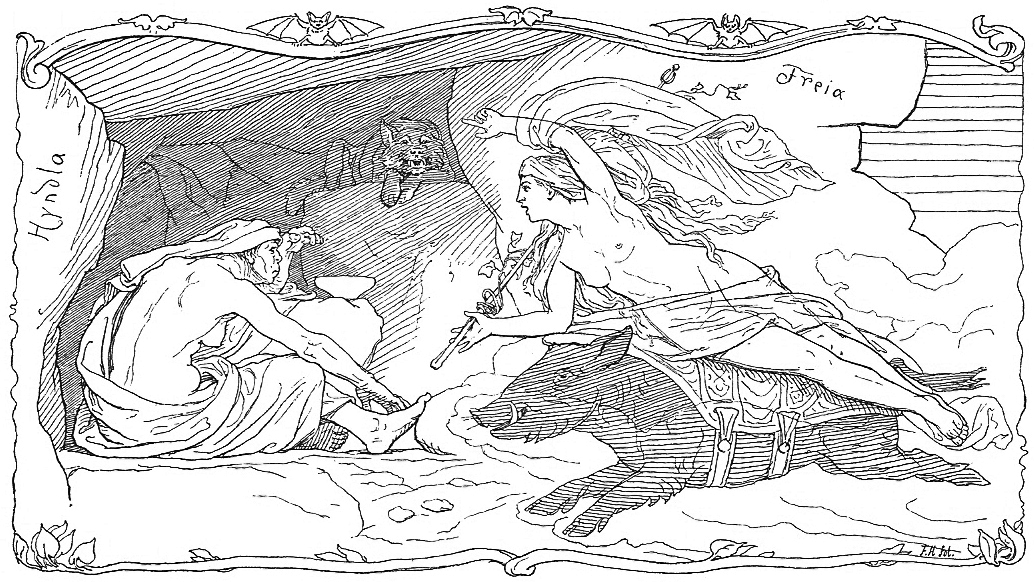
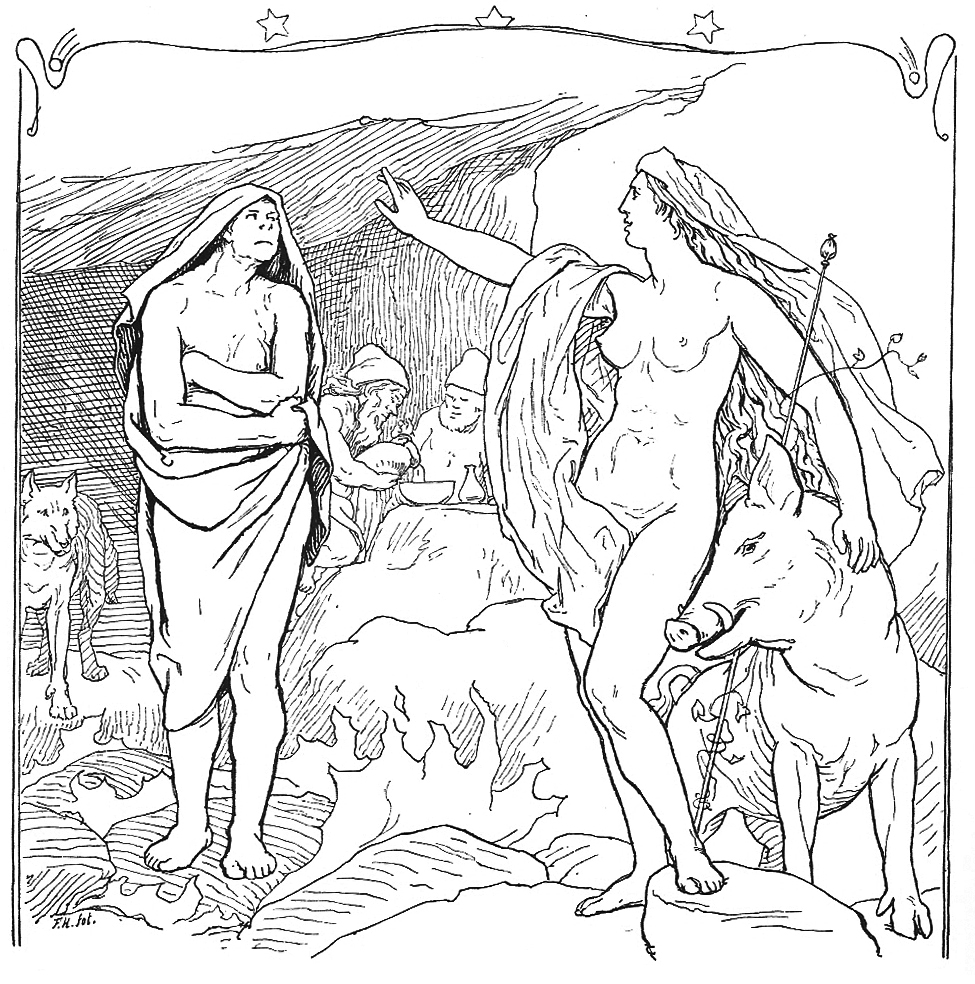
The primary source for Hildisvíni is the poem Hyndluljóð in the Poetic Edda, where Freyja rides or is accompanied by the boar. The poem also introduces Óttar, a protégé of Freyja, and the text suggests the boar may be a human companion concealed or transformed into an animal form. This ambiguity—animal, transformed human, or ritual disguise—is a central feature of how Hildisvíni is read.
Symbolism and interpretation
Boars in Germanic tradition carry mixed meanings: they are symbols of aggressive strength in battle, guardianship, and links to fertility and prosperity. Hildisvíni is often compared to Freyr’s better-known boar Gullinbursti, yet serves a different divine household. Scholars debate whether Hildisvíni functioned as a literal supernatural mount, a shape-changed ally, or a ceremonial role in cultic practice.
Cultural legacy
Though not as prominent as some mythic animals, Hildisvíni figures in studies of Norse religion, art, and modern retellings. The motif of a boar as a sacred companion has echoes in archaeological finds (such as boar-crested helmets) and in contemporary literature and neopagan interest in Germanic myth.
Notable facts
- Name meaning: "battle-swine".
- Main source: Hyndluljóð in the Poetic Edda.
- Association: companion or mount of Freyja.
- Interpretive range: animal, transformed human (Óttar), or ritual disguise.
Related articles
Author
AlegsaOnline.com Hildisvíni — the battle-swine of Norse myth Leandro Alegsa
URL: https://en.alegsaonline.com/art/44199