
Hematite (Fe2O3): iron oxide mineral and principal iron ore
Hematite is an iron(III) oxide mineral and the principal ore of iron. It is mined worldwide for steelmaking, has distinctive physical properties, and occurs in diverse geological environments.
Overview
Hematite, also spelled haematite, is a common iron oxide mineral with the chemical composition Fe2O3. It is the world’s most important source of iron for industrial production and is frequently described as the main ore of iron. Typically present in banded iron formations, sedimentary deposits, and as a weathering product of other iron minerals, hematite is mined in large quantities — often millions of tons annually — to supply raw material for blast furnaces and the production of steel. The mineral itself is an oxide and is commonly referred to by its chemical name, iron(III) oxide.
Image gallery
10 Images





Physical characteristics
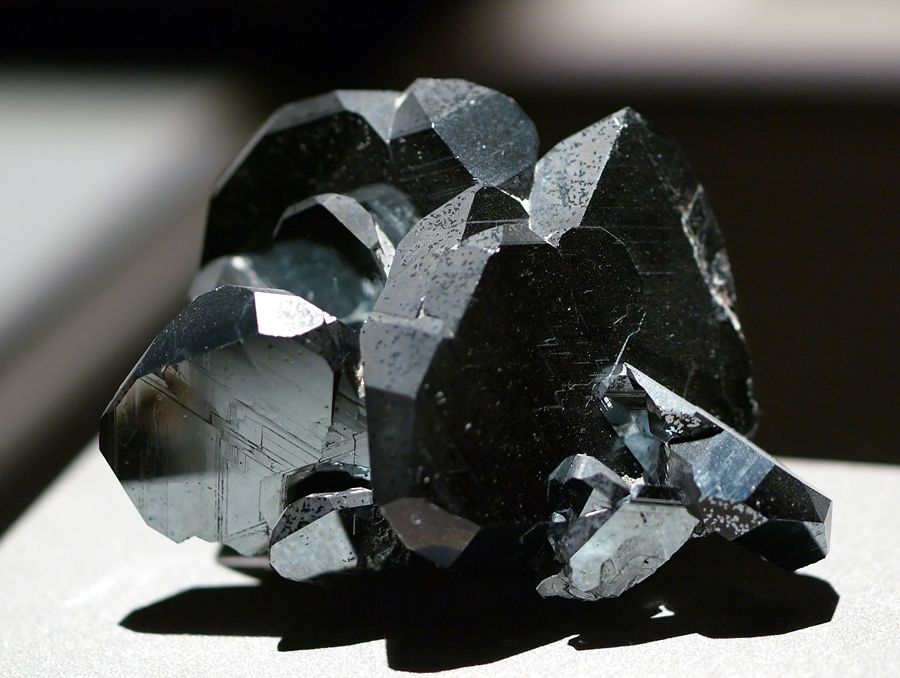
Hematite exhibits a range of appearances from metallic to earthy. Some specimens display a bright metallic sheen while others are dull and red-brown. Important diagnostic features include:
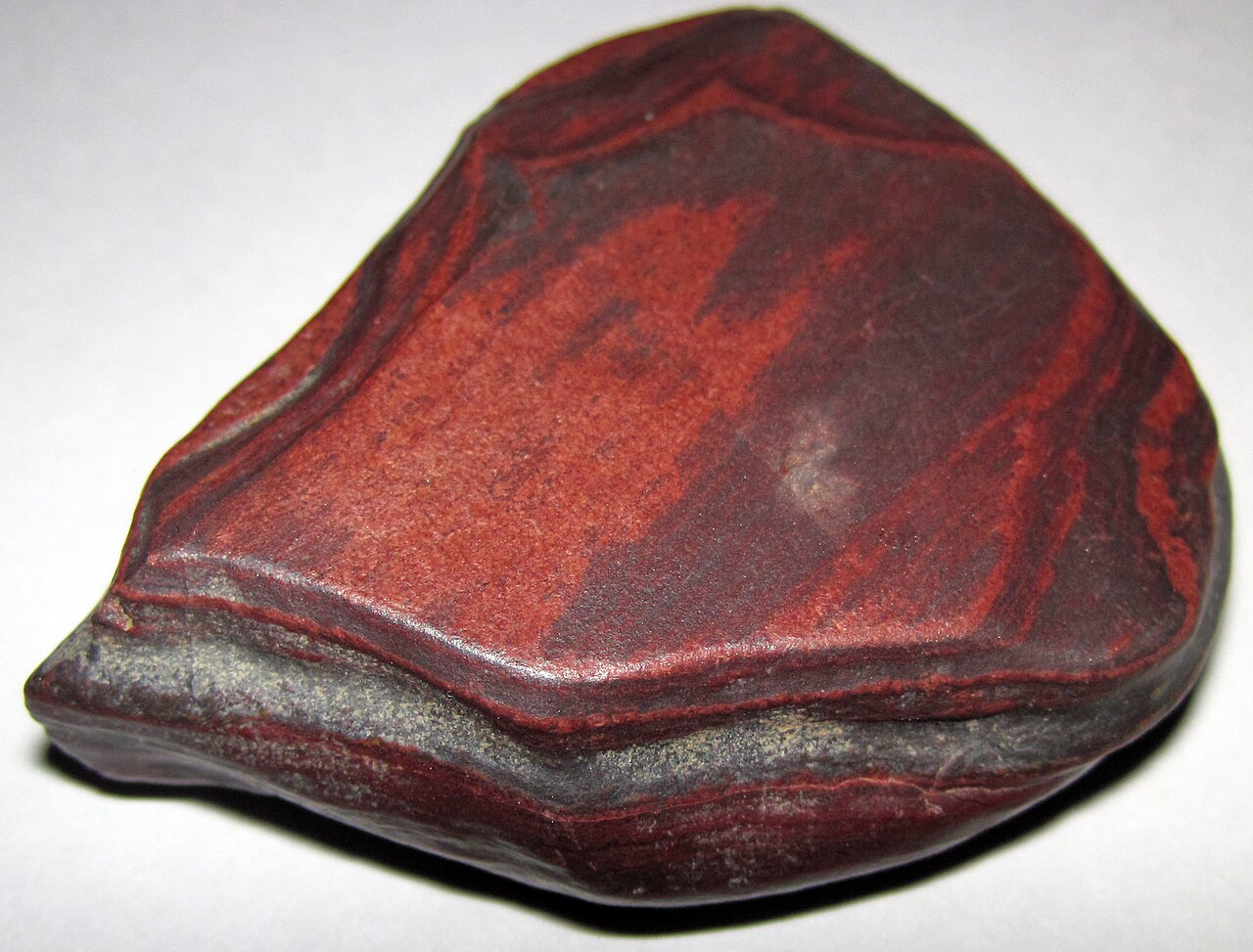
- Color and streak: Although surface color varies (steel-gray, brown, or black), hematite consistently leaves a characteristic reddish to dark red streak on a streak plate made of unglazed porcelain.
- Luster: Many crystals show a metallic luster, particularly in dense, compact varieties, while earthy forms are dull.
- Hardness and fracture: Hematite ranks about 5–6 on the hardness scale and lacks true cleavage; it typically breaks with an irregular or uneven fracture.
- Chemistry: Its fixed stoichiometry is commonly given as the chemical formula Fe2O3.
Varieties and identification
Hematite occurs in several textural and morphological varieties: botryoidal or kidney-shaped specular hematite, compact earthy forms called red hematite or martite, and crystalline plates and needles. Some forms are polished and used as gemstones or ornamentals, often marketed as “specular hematite” when reflective. Identification in the field relies heavily on the red streak and the characteristic weight and feel of the mineral.
Geology, formation and distribution
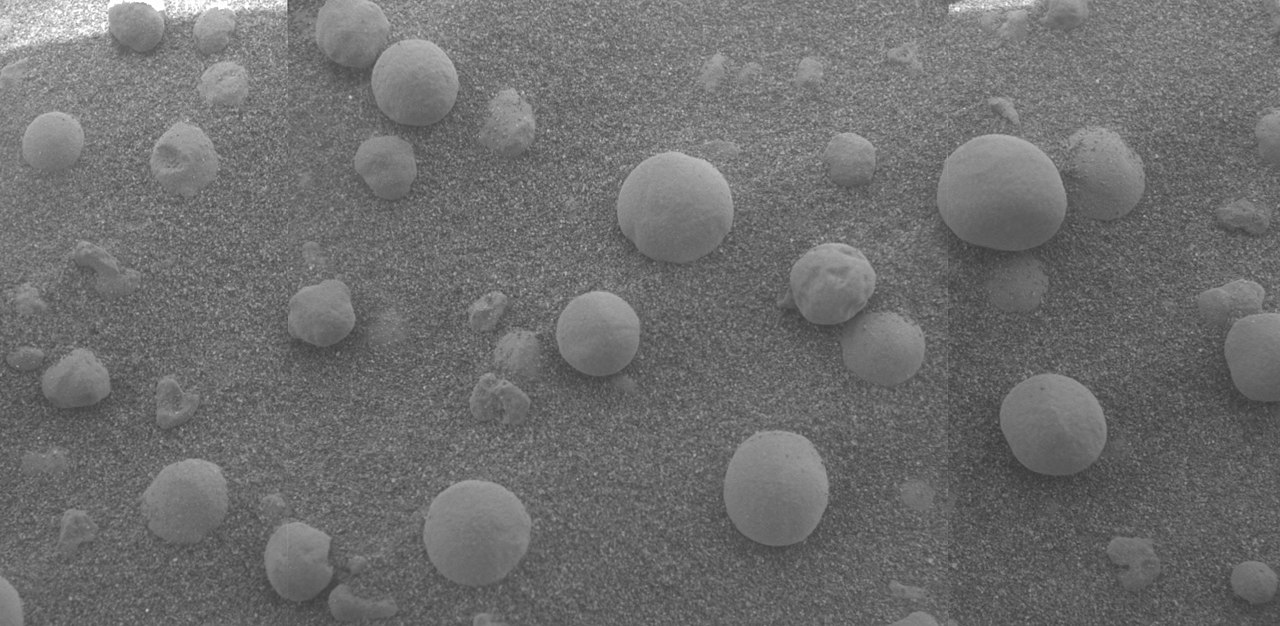
Hematite forms by precipitation from iron-bearing solutions, by direct crystallization in igneous and metamorphic rocks, and by oxidation and weathering of other iron minerals. Significant deposits are found in banded iron formations (ancient marine sediments rich in iron oxides), as well as in lateritic soils and hydrothermal veins. Because large deposits are associated with early Earth oxygenation events, hematite is also of interest to planetary geologists studying other planets and moons.
Uses, economic importance and historical notes
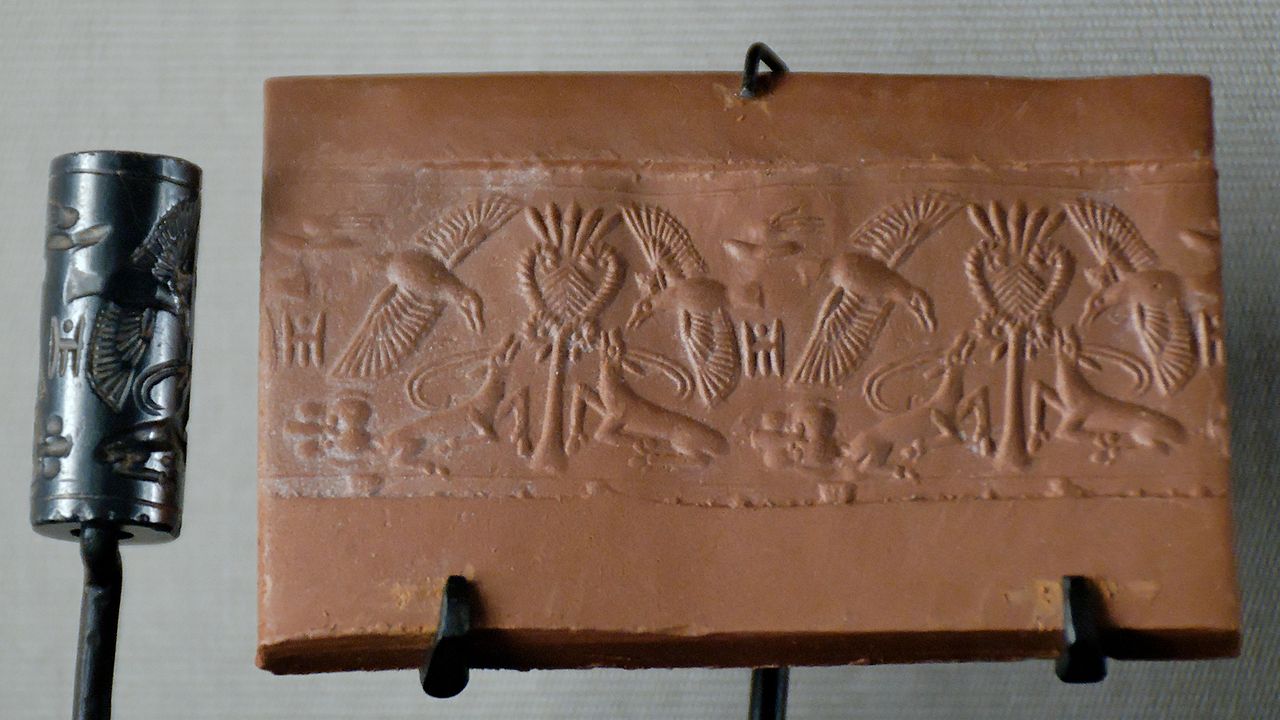
Hematite’s principal economic role is as an iron ore fed into blast furnaces to produce pig iron and ultimately steel. Historically, iron extracted from hematite supported tools, construction, and industrialization. Ground hematite has been used as a pigment (red ochre) and as a polishing abrasive. Specular and polished varieties are carved into cabochons and beads.
Notable distinctions and facts
Hematite is closely related to other oxides: it is chemically distinct from magnetite (Fe3O4) but commonly occurs with it in iron deposits. It shares a structural relationship with minerals such as corundum in terms of oxide composition families. Despite its metallic appearance in some specimens, hematite’s streak and red color are reliable field tests. For additional technical and economic information, consult mineralogy and mining references or the linked overview resources (mineral references and industrial guides).
Hematite remains both a subject of scientific interest and a cornerstone of the global iron and steel industry, bridging mineralogical science and large-scale economic activity.
Related articles
Author
AlegsaOnline.com Hematite (Fe2O3): iron oxide mineral and principal iron ore Leandro Alegsa
URL: https://en.alegsaonline.com/art/43443