
Corundum — the aluminium oxide mineral behind ruby and sapphire
Corundum (Al2O3) is a very hard crystalline form of aluminium oxide that yields gem varieties ruby and sapphire. It is valued for gemstones, abrasives, industrial components and optical uses.
Overview
Corundum is a naturally occurring crystalline form of aluminium oxide (Al2O3) and is classified as a mineral. On the Mohs scale of hardness it ranks at 9, exceeded only by diamond (10). Its strong chemical bonds and dense crystal lattice give corundum exceptional durability and resistance to abrasion, making it important both as a gemstone and an industrial material.
Image gallery
3 Images
Characteristics
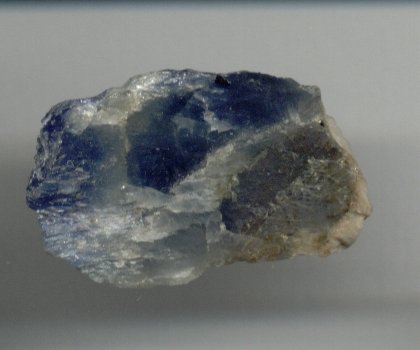
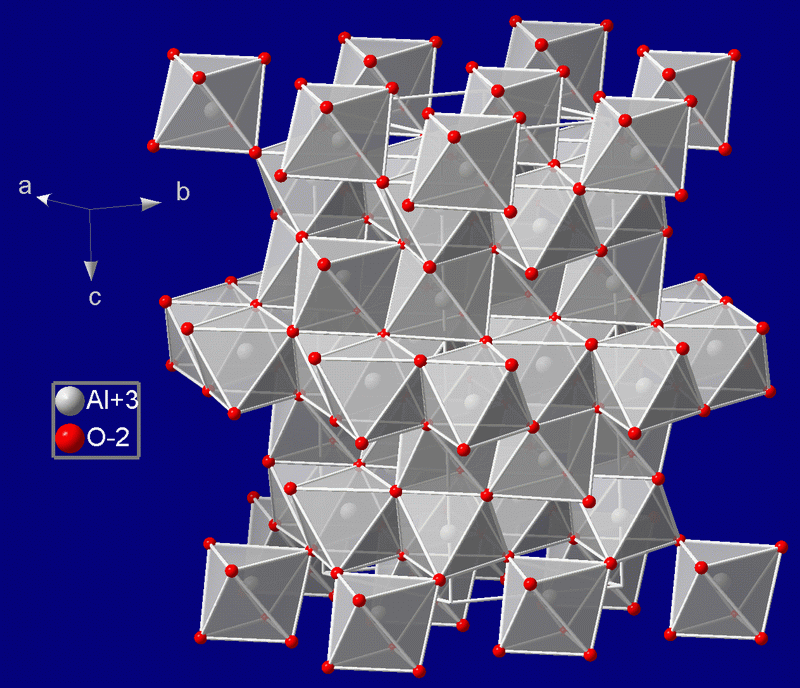
Corundum crystals typically grow in a trigonal (hexagonal close-packed) lattice and are commonly transparent to translucent. Pure corundum is colorless; trace impurities produce a wide range of hues. For example, traces of chromium impart a vivid red color that is called ruby, while other elements such as iron and titanium can produce blue and other colors grouped as sapphire. Optical properties include high refractive index and strong birefringence in certain orientations.
History and origin
Corundum occurs in metamorphic and igneous rocks and is found worldwide; notable historic gem sources include regions in Asia and the Indian Ocean basin. Gem-quality stones have been prized for centuries. During the 20th century techniques to grow synthetic corundum—originally by flame-fusion and later by other crystal-growth methods—made large, flawless material available for both gemstones and industry.
Uses and importance
- Gemstones: faceted and cabochon rubies and sapphires for jewelry.
- Abrasives: powders and wheels for grinding, polishing and cutting because of corundum's high hardness.
- Industrial components: scratch-resistant windows, bearings and substrates; synthetic sapphire is used for watch crystals and some electronics.
- Optics and lasers: ruby crystals were used in early solid-state lasers and corundum can serve in applications requiring hard, stable optical materials.
Notable distinctions
Corundum's combination of hardness, chemical stability and optical clarity distinguishes it from many other oxide minerals. Gem trade terms separate ruby (red corundum) from sapphire (any other color of gem-quality corundum). Synthetic corundum has expanded uses beyond gemstones, supplying uniform material for precision instruments. For further technical or mineralogical detail, consult specialist sources and databases linked below.
References and further reading: mineral reference, chemical data, hardness comparisons, chromium chemistry, ruby information, sapphire varieties.
Related articles
Author
AlegsaOnline.com Corundum — the aluminium oxide mineral behind ruby and sapphire Leandro Alegsa
URL: https://en.alegsaonline.com/art/23272
Sources
- minsocam.org : "Mohs' scale of hardness"
- rruff.geo.arizona.edu : Handbook of Mineralogy
- mindat.org : Corundum
- webmineral.com : Corundum