
History of the Earth: formation, major events, and long-term evolution
A concise account of Earth's origin about 4.56 billion years ago, its geological and biological milestones, the geological time scale, and how scientists reconstruct planetary history.
Overview
The history of the Earth (planet Earth) traces the physical, chemical and biological changes that have shaped the planet from its birth to the present. Modern estimates place the age of the Earth at about 4.56 billion years. Understanding this vast span of time draws on geology, chemistry, paleontology and many other branches of science, which together build a chronological framework called the geological time scale.
Image gallery
10 Images





Formation and earliest eons
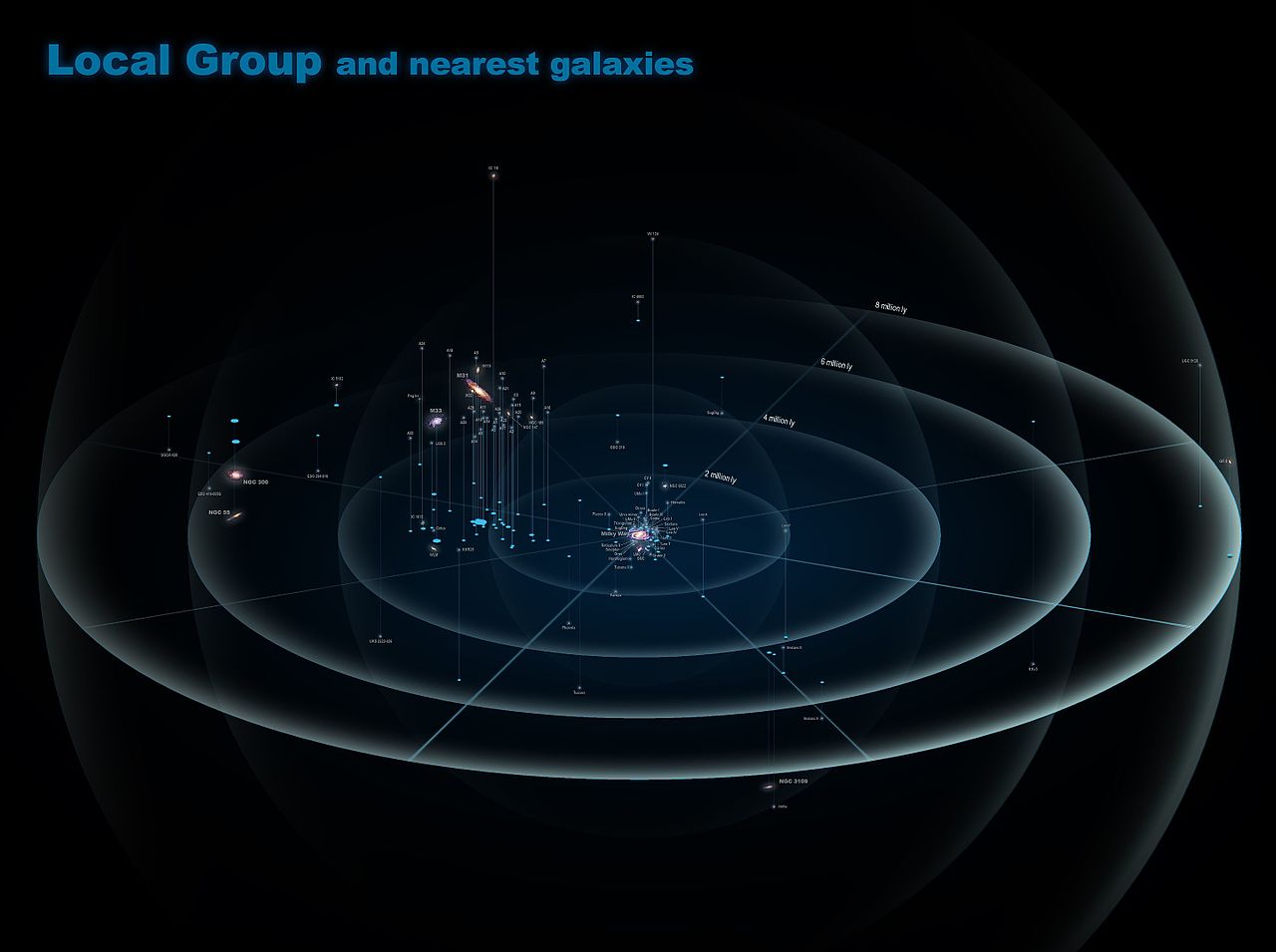
Earth formed within the young Solar System as a dense clump of dust and gas collapsed under gravity. Material that had been processed by earlier generations of stars in the Milky Way contributed heavy elements used to build the planet. The earliest epoch of Earth’s history involved intense heat, frequent collisions with other bodies and the differentiation of a metallic core and silicate mantle. Over tens of millions of years the surface cooled enough for solid crust and primitive oceans to form.
Geological time scale and major divisions
The geological time scale divides Earth history into eons, eras and periods that mark large shifts in climate, tectonics and life. Major eons include the Hadean, Archean and Proterozoic (together the Precambrian) and the Phanerozoic, which contains the familiar Paleozoic, Mesozoic and Cenozoic eras. Key milestones recorded in rock layers include the assembly and breakup of supercontinents, long-term changes in sea level, and episodes of global glaciation.
Origin and early evidence of life
Life arose early in Earth history. The oldest widely accepted signs of microbial life date back at least to the early Archean (sometimes called the Eoarchean era), more than three billion years ago. Fossilized microbial mats and layered structures known as stromatolites provide direct evidence of ancient microbial communities. Over billions of years simple microbes transformed environments, for example by producing oxygen that changed the composition of the atmosphere.
Later transformations and biological milestones
During the Phanerozoic, life diversified dramatically. Events such as the Cambrian explosion, the rise of land plants, and successive mass extinctions reshaped biodiversity and ecosystems. Plate tectonics continued to reorganize continents and oceans, influencing climate and evolution. More recently, the appearance of humans and the pace of human-driven environmental change mark a new and accelerating chapter in Earth’s story.
How we reconstruct Earth’s past
Reconstructing Earth history requires multiple lines of evidence: radiometric dating to fix ages, stratigraphy to order events in rock layers, fossil records to document life, and geochemical signatures that record past atmospheres and temperatures. Together these tools let scientists build a coherent narrative from formation through the present and evaluate hypotheses about major transitions in climate and life. For further summaries and resources see Earth overview, scientific introductions (related fields), and targeted topics on the Solar System and universe.
- Age and origin: ~4.56 billion years
- Earliest life: evidence by early Archean fossils and stromatolites
- Major processes: plate tectonics, atmosphere evolution, biological innovation
- Resources: multidisciplinary studies link geology, paleontology and chemistry (science disciplines)
Questions and answers
Q: How old is the Earth?
A: The Earth is about 4.56 billion years old.
Q: What has helped us understand the Earth's past?
A: Nearly all branches of science have helped us understand the Earth's past.
Q: What is the geological time scale?
A: The geological time scale shows the large span of time from the beginning of the Earth to the present.
Q: What is the age of the universe compared to the age of the Earth?
A: The Earth is about one-third the age of the universe.
Q: How did the Earth form?
A: The Earth formed as part of the birth of the Solar System, which started as a large, rotating cloud of dust and gas.
Q: What was the Sun composed of when the Solar System formed?
A: The Sun was composed of hydrogen and some helium when the Solar System formed.
Q: When was the earliest undisputed evidence of life on Earth found?
A: The earliest undisputed evidence of life on Earth dates back at least 3.5 billion years ago during the Eoarchean era.
Related articles
Author
AlegsaOnline.com History of the Earth: formation, major events, and long-term evolution Leandro Alegsa
URL: https://en.alegsaonline.com/art/44494
Sources
- ui.adsabs.harvard.edu : 1999CoMP..134....3B
- doi.org : 10.1007/s004100050465
- newscientist.com : Discovery of world's oldest rocks challenged
- rsta.royalsocietypublishing.org : rsta.royalsocietypublishing.org/content/366/1883/4163.full
- ncbi.nlm.nih.gov : PMID 12843390
- sciencemag.org : sciencemag.org/cgi/content/abstract/301/5629/84