
Heinrich Biber
Baroque composer and virtuoso violinist (baptised 12 August 1644 – 3 May 1704), noted for inventive scordatura sonatas, the Rosary cycle, and influential sacred and instrumental works of the Salzburg tradition.
Heinrich Ignaz Franz Biber (baptised 12 August 1644 – died 3 May 1704) was a leading Baroque composer and violin virtuoso. Born in the Bohemian lands and later active in the Austrian courts, he is one of the most celebrated Central European musicians of the late 17th century. Contemporary and later writers praised his command of violin technique and his skill as a composer and church musician.
Image gallery
7 Images
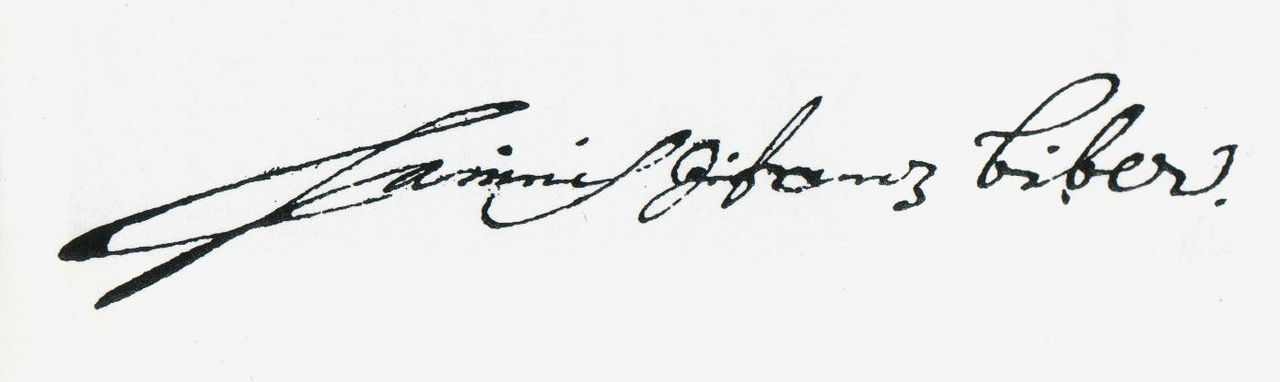




Life and career
Biber’s career was spent mainly in service to aristocratic and ecclesiastical patrons; he is most closely associated with the musical establishment in Salzburg. His background in the Bohemian cultural sphere is often noted by historians of the region (Bohemian context), and his later appointments reflect the patronage systems of the Habsburg lands and neighboring courts (Austrian court milieu).
Musical style and innovations
Biber combined virtuosic display with contrapuntal seriousness. He is especially known for extensive use of scordatura, the practice of retuning string instruments to achieve novel resonances, facilitate unusual chords and figuration, and create programmatic or symbolic effects. This technique appears throughout his solo works and contributes to his distinctive sound world.
Major works
His oeuvre includes chamber sonatas, collections for violin and continuo, programmatic ensemble pieces and substantial liturgical music. He is remembered both as a composer and as a celebrated violinist, roles that informed each other in his music.
- Rosary (Mystery) Sonatas — a cycle of devotional pieces for violin and continuo that uses scordatura and programmatic gestures, often counted as fifteen sonatas followed by a concluding passacaglia (violin sonatas).
- Battalia — an early programmatic ensemble work that depicts military scenes through vivid effects for strings and continuo.
- Harmonia artificioso-ariosa — a collection showcasing instrumental variety and virtuosity for the violin with continuo.
- Large-scale liturgical works and polychoral pieces associated with the Salzburg court tradition.
Performance and transmission
Biber’s manuscripts and early prints circulated among court musicians and chapel libraries. Modern performers and editors have revived his works, emphasizing historically informed technique, period instruments and attention to scordatura instructions. His sonatas challenge players with unconventional fingerings and require careful study of tuning and articulation.
Legacy
Biber influenced the expressive and technical possibilities of solo violin literature in Central Europe. His combination of theatrical program and liturgical seriousness made his music valuable to both performers and scholars. Research into his life and works continues through archival study and critical editions; for primary records and further reading see baptismal and career references (baptismal), regional studies (Bohemian, Austrian) and discussions of his dual identity as composer and violinist. Collections and modern editions of his sonatas are widely used in performance and scholarship.
Questions and answers
Q: What is the full name of Heinrich Biber?
A: Heinrich Biber's full name is Heinrich Ignaz Franz Biber von Bibern.
Q: When was Heinrich Biber baptized?
A: Heinrich Biber was baptized on August 12, 1644.
Q: Where was Heinrich Biber from?
A: Heinrich Biber was from Bohemia and Austria.
Q: What was Heinrich Biber's profession?
A: Heinrich Biber was a composer and violinist.
Q: Was Heinrich Biber well-known in his time?
A: Yes, Heinrich Biber was the most famous German violinist of his time.
Q: What is Heinrich Biber particularly famous for?
A: Heinrich Biber is particularly famous for his violin sonatas.
Q: When did Heinrich Biber pass away?
A: Heinrich Biber passed away on May 3, 1704.
Related articles
Author
AlegsaOnline.com Heinrich Biber Leandro Alegsa
URL: https://en.alegsaonline.com/art/43267