
Haunted house
A haunted house is a dwelling reputed to host supernatural phenomena. This article covers typical features, origins, cultural roles, scientific explanations and how haunted houses are used in entertainment.
Overview
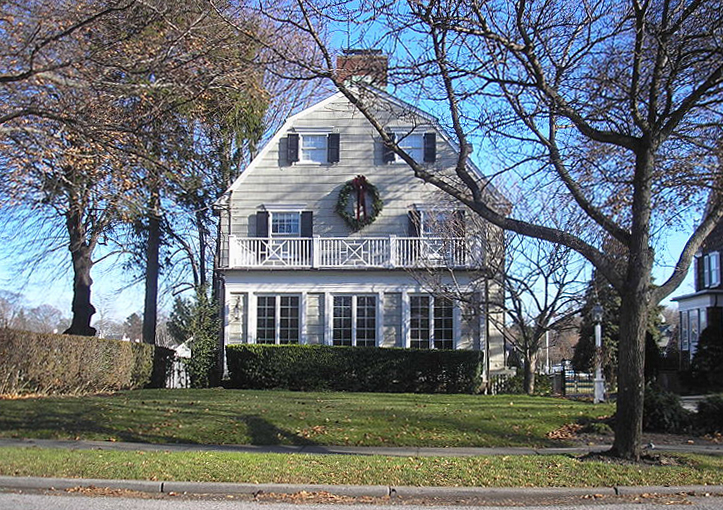
A haunted house is a dwelling that people believe is the setting for unexplained or supernatural events. Accounts typically mention apparitions, moving objects, strange noises and sudden temperature changes. Popular descriptions often refer to a house haunted by supernatural forces or inhabited by ghosts and other spirits. Stories about haunted houses can arise anywhere but frequently cluster around locations with histories of trauma.
Image gallery
7 Images




Common characteristics
Although narratives vary by culture, several recurring elements appear in reports and folklore:
- Connection to a dramatic past event—examples include a murder or a suicide.
- Architectural traits such as age, neglect or unusual layouts; in fiction these are often castles or creaky, abandoned buildings reminiscent of gothic settings or isolated castles.
- Recurrent phenomena: footsteps, voices, apparitions, cold spots or magnetic and electrical anomalies felt by occupants.
- Local legend and rumor that amplify ordinary events into ghost stories.
History and cultural role
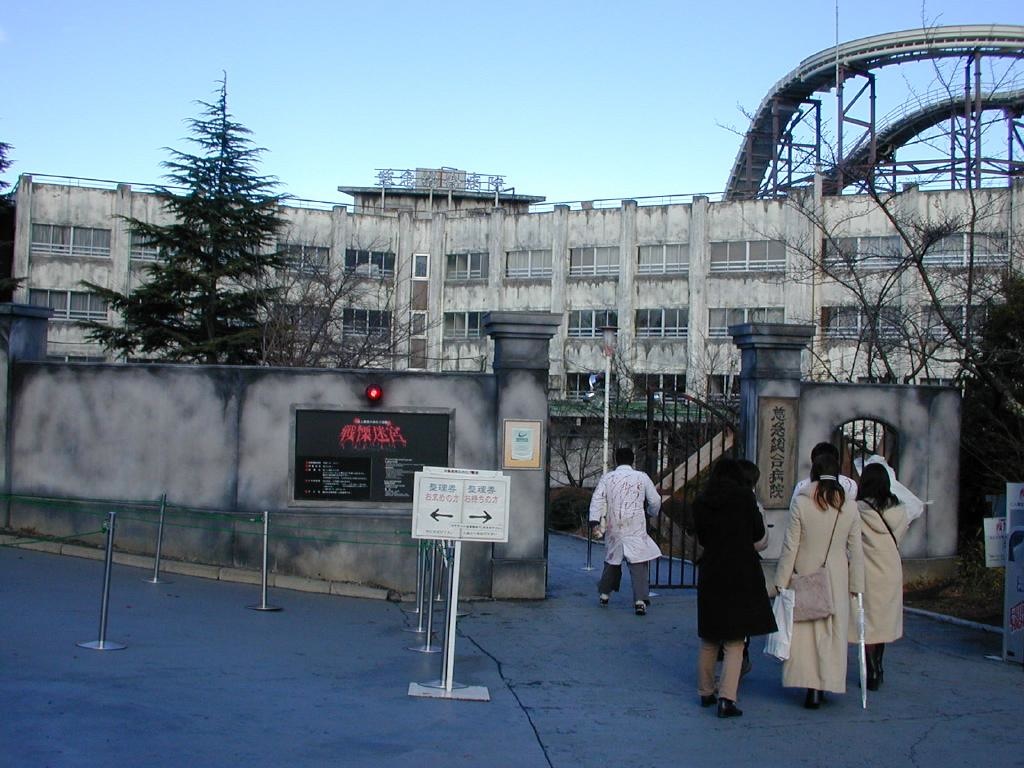
The idea of haunted dwellings appears in many traditions and has long served literary and social functions. In literature and theatre a haunted house is a convenient device to explore grief, guilt, social decay or the uncanny. In modern popular culture the concept is both an object of belief and a form of entertainment: some properties become tourist attractions or staging grounds for simulated scares and amusement-park attractions.
Scientific and natural explanations
Researchers and skeptics have proposed natural mechanisms that can produce impressions commonly attributed to hauntings. Environmental hazards such as toxic gases, especially carbon monoxide leaks, can cause hallucinations, confusion and feelings of dread. Low-frequency sound (known as infrasound) may produce unease, visual disturbance or a sense of presence. Other factors include sleep-related phenomena, expectation and suggestion, electromagnetic fields and misinterpretation of ordinary noises labeled as hallucinations or paranormal events.
Uses, examples and distinctions
Haunted houses can function as folklore, moral tales, historical memory or commercial entertainment. Real sites tied to tragic histories sometimes attract investigators, tourists and conservation interest; other times, popular demand drives the creation of deliberate haunted attractions with actors and special effects. Distinguishing a cultural legend from a verifiable hazard (for example, a structural or gas problem) is important for both public safety and heritage preservation.
Notable facts and critical perspective
Whether approached as belief, narrative device or scientific question, haunted houses touch on how people interpret uncertainty and cope with loss. Reports often mix eyewitness testimony, local lore and environmental factors. For further reading and documented case studies, consult both folkloric surveys and investigative reports that examine environmental, psychological and physical explanations for alleged hauntings. For general reference, look into historical accounts, contemporary investigations and controlled studies that examine each proposed cause responsibly.
Related topics include architecture, folklore studies and the psychology of perception; researchers typically recommend checking for mundane causes such as structural hazards, gas leaks or electrical faults before assuming a paranormal origin.
House | Supernatural | Ghosts | Spirits | Murder | Suicide | Gothic | Castle | Attraction | Toxic gases | Carbon monoxide | Hallucinations | Infrasound
Questions and answers
Q: What is a haunted house?
A: A haunted house is a place where supernatural events are believed to take place, and many people believe that ghosts or spirits of the dead reside in them.
Q: How do rumours of a house being haunted usually start?
A: Rumours of a house being haunted often start after a violent or tragic event has occurred in the house, such as a murder or suicide.
Q: What is a common depiction of haunted houses in gothic fiction?
A: In gothic fiction, haunted houses are often portrayed as old castles or creaky, abandoned houses.
Q: Can a haunted house be a type of attraction in amusement parks?
A: Yes, a haunted house can be designed as an attraction in amusement parks.
Q: What is one scientific explanation for the phenomena experienced in haunted houses?
A: One scientific explanation for haunted houses is that poisonous gasses, such as carbon monoxide from defective gas-burning appliances, are what cause the hallucinations people experience.
Q: What is infrasound, and how can it be a cause of haunted houses?
A: Infrasound is a type of low-frequency sound that is below the range of human hearing. It can be created by natural forces, such as winds or earthquakes, or by human-made objects, like machinery. Infrasound can cause people to feel uneasy or experience altered states of consciousness, which could explain some of the phenomena experienced in haunted houses.
Q: Is it possible that haunted houses are actually haunted by ghosts or spirits?
A: The existence of ghosts or spirits cannot be scientifically proven, so it is up to individual belief whether or not haunted houses are actually haunted by supernatural beings.
Related articles
Author
AlegsaOnline.com Haunted house Leandro Alegsa
URL: https://en.alegsaonline.com/art/42829
Sources
- commons.wikimedia.org : Haunted houses
- ghostsandstories.com : Ghost stories and haunted places.