
Gothic fiction: origins, themes, and cultural influence
Gothic fiction blends horror and romance, originating in 18th‑century Britain. This article outlines its defining features, history, key works, variants, and lasting influence on literature and popular culture.
Overview
Gothic fiction is a literary genre that merges elements of the uncanny, emotional intensity, and often a romantic sensibility. It typically foregrounds atmosphere, dread, and the extraordinary rather than strict realism. Many treatments emphasize mood and setting as much as plot, creating stories that probe fear, desire, and the limits of knowledge.
Image gallery
10 Images


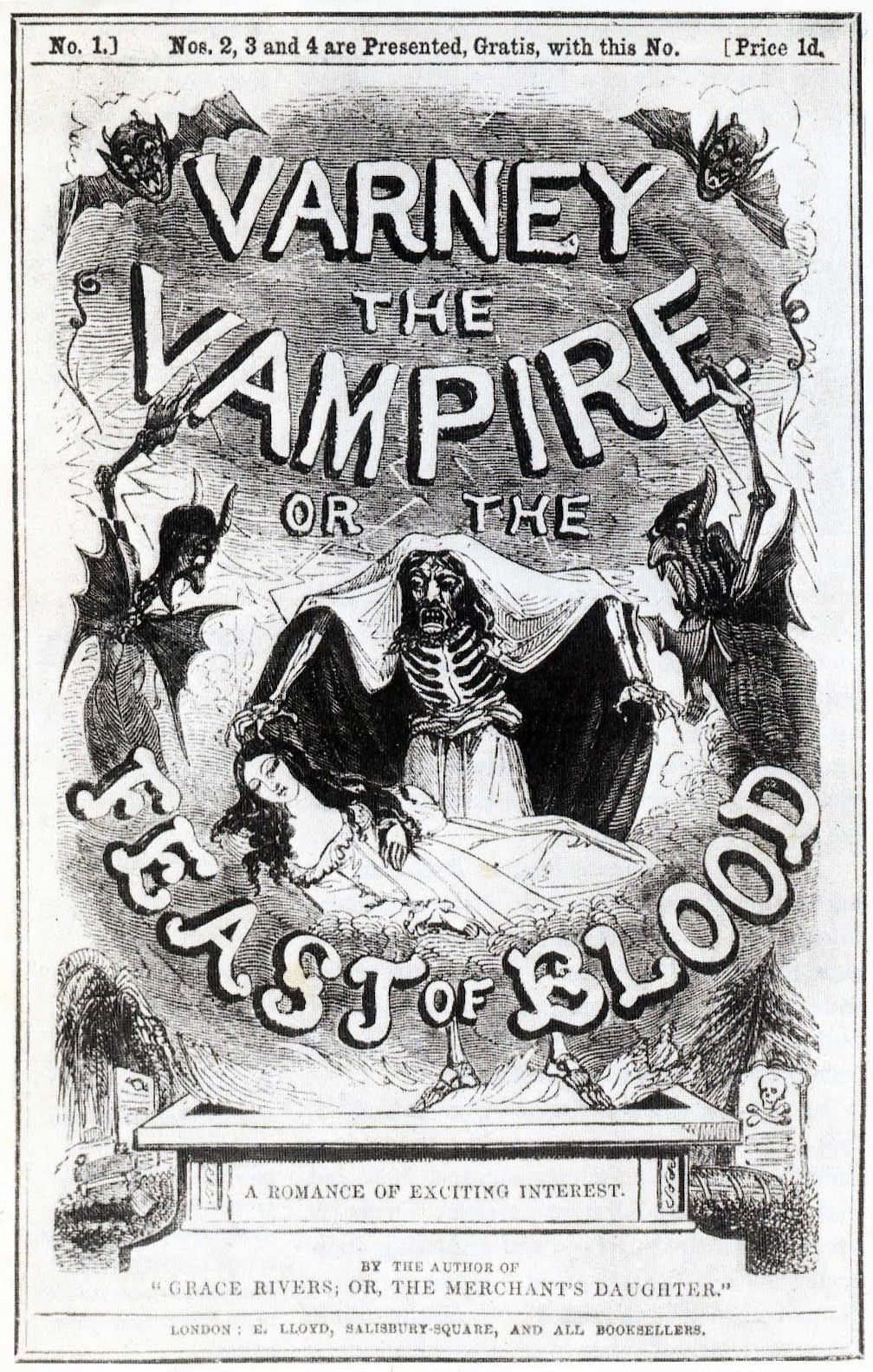
Characteristic elements
Common conventions include isolated or decaying settings (castles, abbeys, mansions), a sense of the sublime or vastness, supernatural or ambiguous occurrences, high emotion, and threatened or transgressive characters. Writers use these devices to explore psychological states, social anxieties, and moral ambiguity. The term Gothic also influenced visual styles such as architecture and later inspired cinematic techniques.
History and development
The form emerged in England in the mid‑18th century; Horace Walpole’s The Castle of Otranto (1764) is widely cited as an early landmark and was subtitled "A Gothic Story." Early practitioners extended and codified the mode through novels, short tales, and drama. The movement evolved through the Romantic and Victorian eras, producing notable works such as Mary Shelley’s Frankenstein (first published 1818) and the tales of Edgar Allan Poe, which emphasized psychological terror. Later Victorian contributions include Bram Stoker’s Dracula, which fused folklore, science, and anxieties about modernity. Other significant early figures include Ann Radcliffe and Matthew Lewis. See related introductions to the origins and broader literary context at companion resources.
Variants and notable strands
- Female or domestic Gothic: focuses on women’s experiences and constrained spaces.
- Southern Gothic: an American regional form that examines decadence and social decay.
- Gothic horror vs. Gothic romance: some works emphasize terror and the uncanny, others foreground intense feeling and romantic intrigue.
Legacy and influence
Gothic fiction has had a durable impact on horror, detective fiction, fantasy, and film. Its themes and images recur in modern novels, cinema, television, and popular culture. Contemporary writers and filmmakers continue to rework Gothic motifs—haunted houses, monsters that mirror human failings, and ambiguous supernaturalism—to address new social fears. For further reading on major authors and critical approaches, consult introductions to the form, studies of Gothic romance, and author pages for Mary Shelley (Shelley) and Bram Stoker (Stoker).
Although its features have shifted over time, Gothic fiction remains a flexible mode for exploring what societies fear and desire, and for testing boundaries between the natural and the inexplicable.
Related articles
Author
AlegsaOnline.com Gothic fiction: origins, themes, and cultural influence Leandro Alegsa
URL: https://en.alegsaonline.com/art/39872
Sources
- biography.com : biography.com/authors-writers/mary-shelley