
Infrasound: low-frequency sound below the range of human hearing
Sound waves with frequencies below the typical human hearing threshold (roughly below 20 Hz). Produced by natural events, animals and machines; travels long distances and is monitored for science and security.
Overview
Infrasound refers to sound waves with frequencies lower than the usual limits of human hearing. Many sources define the threshold near 20 hertz, though sensitivity varies by person and by measurement convention; some references use slightly different cutoffs. At sufficient amplitude these very low-frequency vibrations are not heard but can be perceived as pressure or motion. For a general definition see sound and for frequency context consult frequency definitions.
Image gallery
3 Images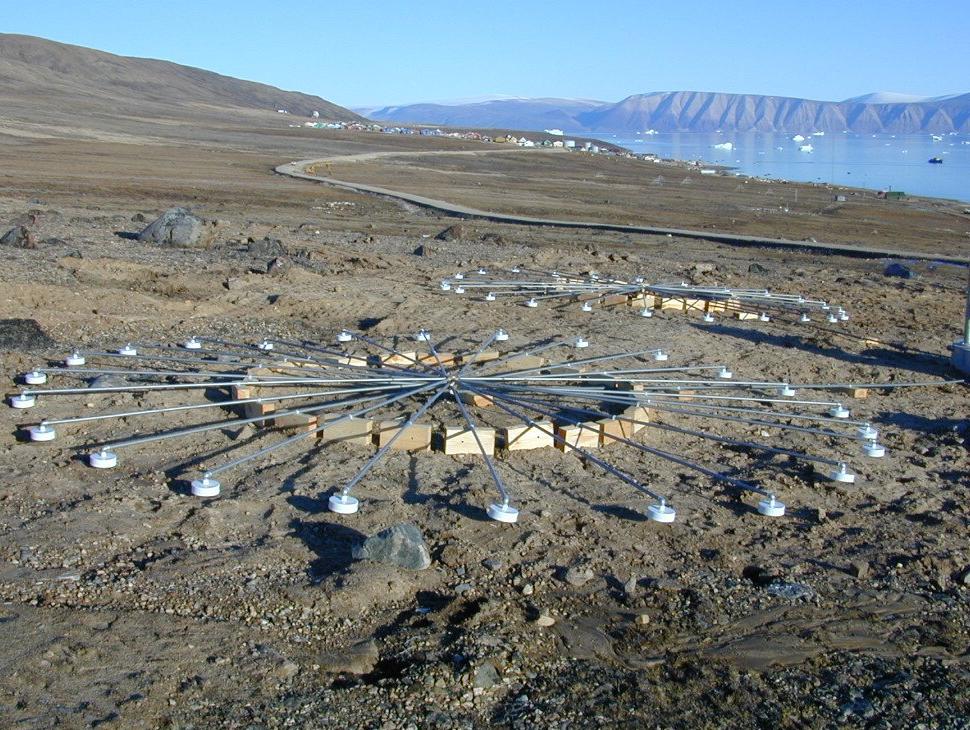

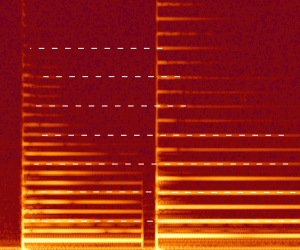
Characteristics
Because their wavelengths are long, infrasound waves travel far and can diffract around obstacles and follow terrain. Long wavelengths also mean they lose energy more slowly in the atmosphere than higher-frequency sounds. Detection typically uses sensitive pressure sensors or microbarometers rather than ordinary microphones. For human perception and thresholds see human hearing limits and for amplitude-related effects consult studies summarized at reference materials.
Sources and examples
Natural and artificial phenomena both produce infrasound. Common natural sources include:
- Geophysical events: earthquakes, volcanic eruptions, avalanches and large storms.
- Astronomical/atmospheric: meteors and bolides entering the atmosphere.
- Biological: some large animals use infrasound for long-range communication — notably elephants and some whale species.
Human-made sources include industrial machinery, large fans or turbines, explosions and supersonic aircraft; further reading on biological signals is available at whale communication and elephant communication.
Uses, detection and importance
Infrasound monitoring plays a role in scientific research and practical monitoring. Worldwide infrasound arrays help detect volcanic eruptions, atmospheric explosions and meteor events, and contribute to treaty verification systems for explosive testing. Instrument networks and signal processing methods are summarized in overviews such as instrumentation reviews and technical guides at monitoring resources.
Effects, research and notable facts
At high amplitudes infrasound can produce physical sensations — pressure in the ears, vibration or unease — but claims about specific psychological effects remain debated and require careful experimental support. Because infrasound propagates efficiently over distance, it is valuable for remote sensing and for studying long-range animal communication. For additional context and summaries of key studies see listed resources.
Related articles
Author
AlegsaOnline.com Infrasound: low-frequency sound below the range of human hearing Leandro Alegsa
URL: https://en.alegsaonline.com/art/47319