
Haute-Kotto (prefecture of the Central African Republic)
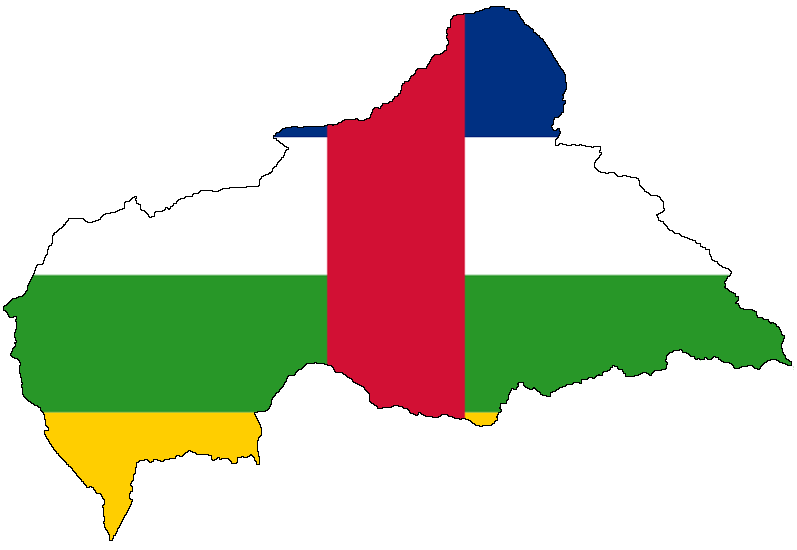
Haute-Kotto is the largest prefecture of the Central African Republic, in the country's eastern region. Its capital is Bria; the area is known for its rivers, natural resources and remoteness.
Overview
Haute-Kotto is one of the country's administrative divisions, classified among the prefectures of the Central African Republic. Its capital and principal town is Bria. The prefecture covers a very large area compared with other national divisions and has a low population density, which shapes its infrastructure and public services.
Image gallery
3 Images

Geography and environment
The name Haute-Kotto refers to the upper reaches of the Kotto River and the surrounding basin. Landscape types include river valleys, savanna and mixed woodland. The climate is tropical with distinct wet and dry seasons, and rivers and seasonal streams play an important role in local agriculture and transport during certain months.
Economy and livelihoods
Local economies are based primarily on subsistence agriculture, livestock rearing and extraction of natural resources. Artisanal mining, including diamonds and other minerals, has been an important economic activity around Bria and other sites, often carried out informally. Timber and non-timber forest products are also gathered for local use and trade.
Administration and society
Haute-Kotto is governed through national prefectural structures and is further divided into sub-prefectural and local units for administration. Bria acts as the administrative, commercial and service hub for the prefecture. The population is made up of diverse ethnic groups and local communities, with rural settlements dispersed across a wide area.
History, challenges and significance
The region has a history tied to pre-colonial settlement patterns, colonial administration and post-independence national developments. Its natural resource wealth has contributed to both economic opportunity and social challenges, including competition over mining sites and difficulties in extending state services. Remoteness, seasonal road access and limited infrastructure affect development, security and humanitarian access.
Notable facts
- Largest prefecture: Haute-Kotto is notable for its size within the national administrative map.
- Riverine identity: The Kotto River shapes both the name and many local activities.
- Resource-rich: Minerals and forest resources are important, with impacts on economy and governance.
For further context on administrative organization and the role of prefectures in national governance, see general references on the structure of the Central African Republic and lists of prefectures.
Related articles
Author
AlegsaOnline.com Haute-Kotto (prefecture of the Central African Republic) Leandro Alegsa
URL: https://en.alegsaonline.com/art/42854
Sources
- stat-centrafrique.com : "Population Prefecture"
- statoids.com : "Central African Republic Prefectures"
- tools.wmflabs.org : 7°00′N 23°00′E / 7.000°N 23.000°E / 7.000; 23.000