
Hallucination: causes, types, and clinical distinctions
Hallucinations are sensory experiences perceived without external stimuli. This article explains types, common causes, how they differ from dreams or illusions, clinical assessment, and cultural context.
Hallucinations are perceptions—seeing, hearing, smelling, tasting or feeling things—that occur without an external stimulus. They are typically experienced while a person is awake and aware rather than during sleep, although some forms occur at the transition into or out of sleep. For a general statement about consciousness and perception see conscious awareness. Hallucinations vary in intensity and in whether the person recognizes them as unreal.
Image gallery
2 Images
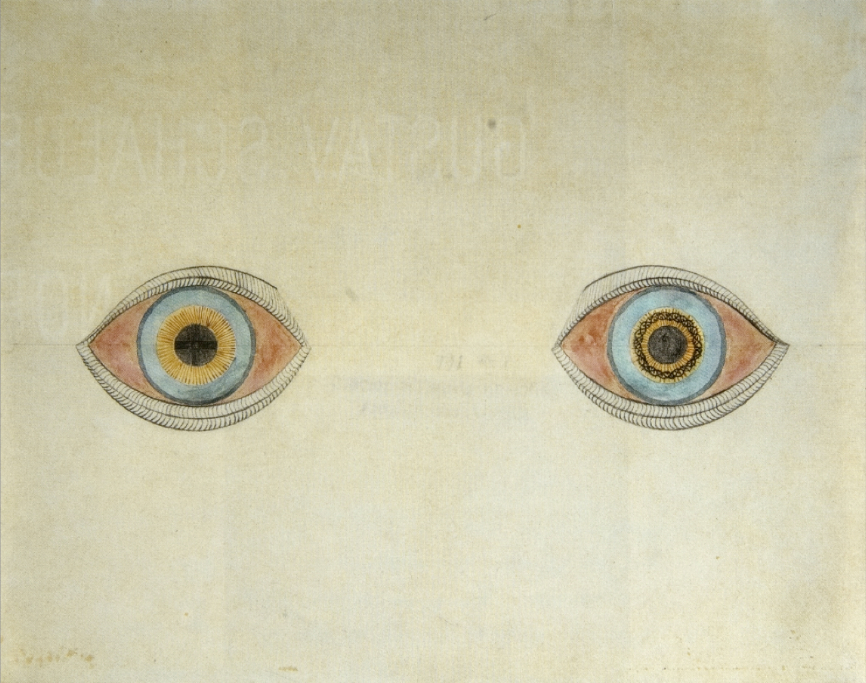
Types and common features
- Visual: seeing shapes, people, lights or scenes that are not present.
- Auditory: hearing voices, music or noises without an external source; this is often reported in psychiatric and neurological conditions.
- Tactile (somatic): sensations of touch, movement or insects crawling on the skin.
- Olfactory and gustatory: smelling or tasting things that are not there.
Some experiences are brief and benign, such as vivid sensations just before falling asleep (hypnagogic) or upon waking (hypnopompic). These sleep-related experiences are distinct from ordinary dreaming; for a comparison with dreams see dream phenomena.
Causes and contexts
Hallucinations have many potential causes. They can arise in primary psychiatric disorders, neurological conditions, substance use or withdrawal, sensory impairment and extreme sleep loss. Examples include psychotic disorders, some forms of dementia and syndromes related to sensory loss; for discussion of psychiatric contributions see mental health conditions. Recreational drugs and some medications can induce hallucinations, and stopping certain drugs abruptly may trigger them. Severe sleep deprivation and other physiological stresses can also produce transient hallucinations; more on sleep-related causes is available at sleep and perception.
Distinguishing hallucinations from related phenomena
Hallucinations differ from illusions and from ordinary dreams. An illusion is a misinterpreted real stimulus (for example, seeing a coat on a chair and briefly believing it is a person). By contrast, a hallucination has no corresponding external input; the distinction is explained in resources about perceptual errors illusions versus hallucinations. Another useful distinction is insight: some people immediately recognize that an experience is not real, while others accept a hallucination as veridical.
Clinical assessment, management and when to seek help
When hallucinations are recurrent, distressing, impair daily life, or appear alongside other concerning symptoms (confusion, mood change, suicidal thoughts), medical evaluation is important. Clinicians assess history, medication and substance use, sleep patterns, sensory deficits and neurological or psychiatric signs. Management targets the underlying cause: treating an infection or metabolic disturbance, adjusting medications, using antipsychotic or other symptom-focused drugs when indicated, and providing psychosocial support. Nonpharmacological measures—improving sleep, reducing substance use, optimizing sensory input—can reduce or prevent some hallucinations.
Culturally and historically, hallucinations have been interpreted in many ways—from divine visions to clinical symptoms—and they have played roles in art, religion and literature. Understanding remains multidisciplinary, combining neuroscience, psychiatry, neurology and social context. For readers seeking more technical or clinical information, the linked resources provide starting points: conscious awareness, dream phenomena, perceptual illusions, mental health conditions, sleep and perception.
Questions and answers
Q: What is a hallucination?
A: A hallucination is seeing, hearing, tasting, smelling or feeling things that do not really exist.
Q: Do people have to be awake and conscious to have hallucinations?
A: Yes, usually people have to be awake and conscious to have hallucinations.
Q: How are hallucinations different from dreams?
A: When people dream they are not awake, but hallucinations happen when people are awake and conscious.
Q: What are illusions?
A: Illusions are based on real perceptions, which are distorted or interpreted in a wrong way.
Q: What can cause hallucinations?
A: Certain drugs, such as illegal drugs, and certain mental illnesses can cause hallucinations. In some cases, withdrawal of a drug can also cause hallucinations.
Q: Can lack of sleep cause hallucinations?
A: Yes, lack of sleep can also cause hallucinations.
Q: Are hallucinations before going to sleep or just after waking up considered normal?
A: Yes, hallucinations just before going to sleep or just after waking up are considered normal.
Related articles
Author
AlegsaOnline.com Hallucination: causes, types, and clinical distinctions Leandro Alegsa
URL: https://en.alegsaonline.com/art/41957