
Supernatural: Concepts, Examples, History and Cultural Role
The supernatural refers to phenomena or entities believed to lie beyond natural laws or scientific explanation. This article explains definitions, common categories, historical roots, and cultural and scholarly debates.
Overview
The term supernatural commonly denotes events, forces, or beings that are thought to exist beyond or outside the laws of nature as understood by modern science. The word derives from Latin supernātūrālis and is used in philosophy, religion, folklore, and everyday speech to mark a boundary between what is considered natural and what is claimed to transcend it. Because supernatural claims typically fall outside empirical verification, opinions about them vary widely.
Some communities treat supernatural claims as literal truth; others interpret them symbolically, and many scientists and skeptics treat them as hypotheses requiring extraordinary evidence. Contemporary discussions therefore involve both descriptive study of beliefs and critical evaluation of evidence.
Image gallery
8 Images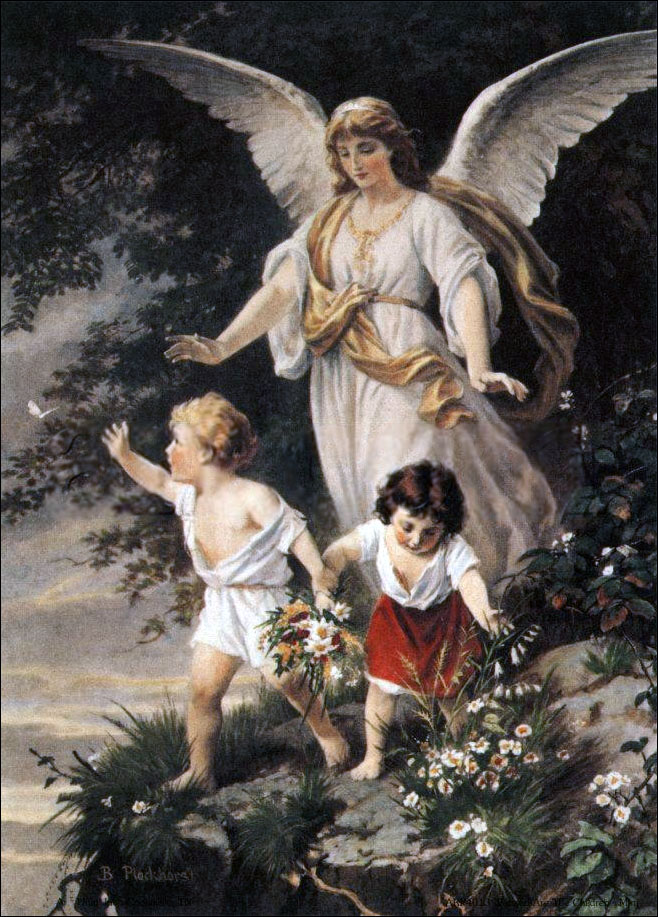


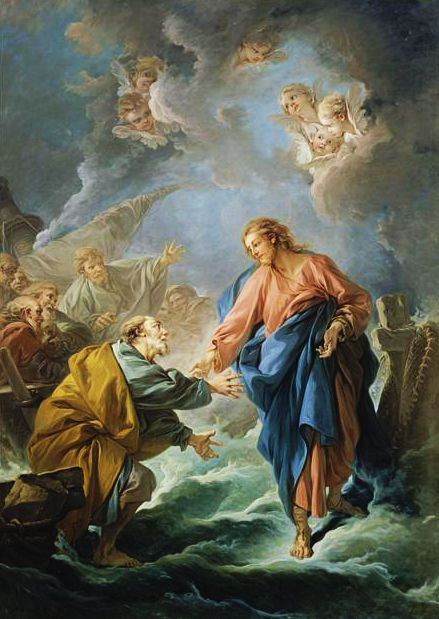

Characteristics and categories
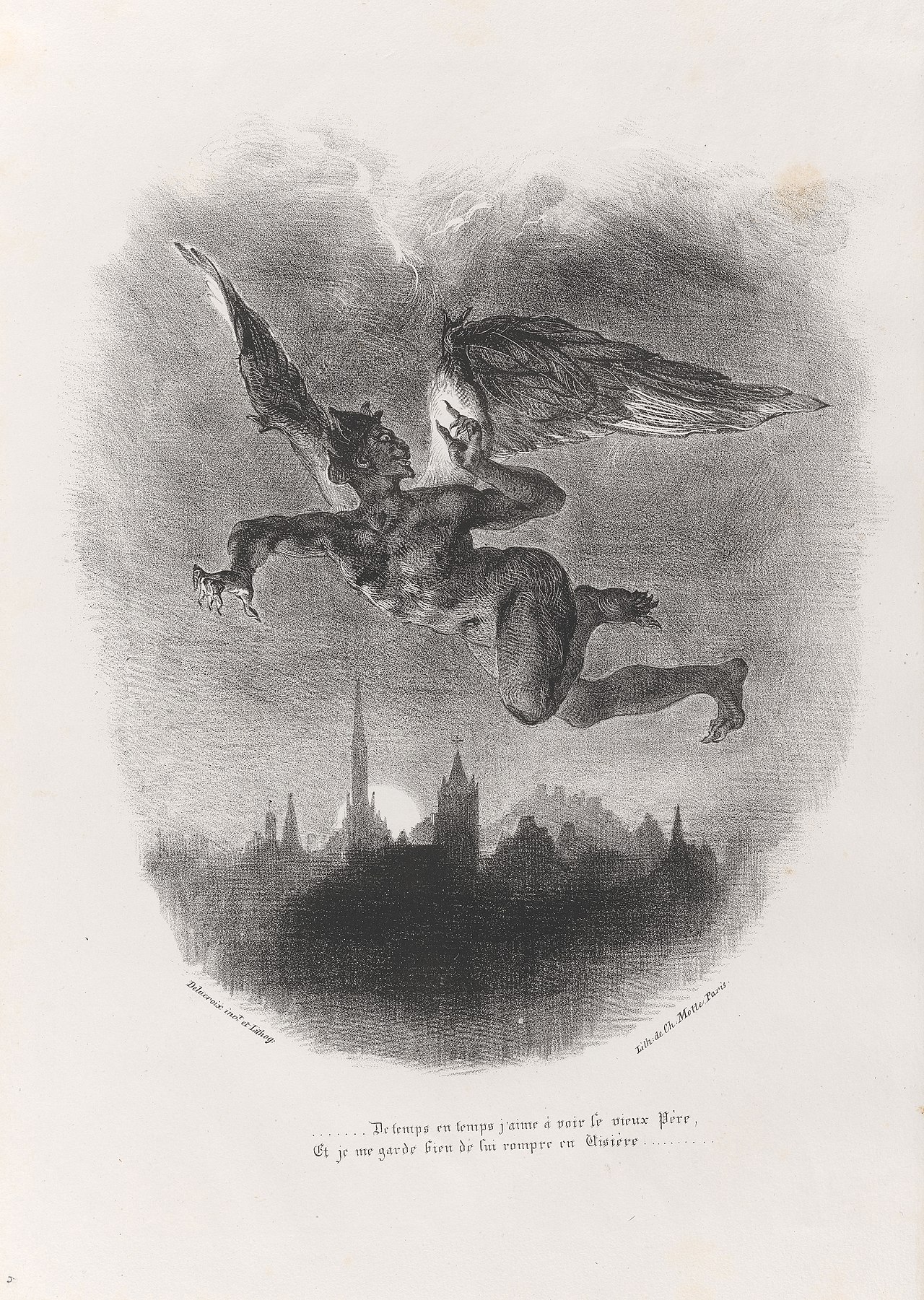
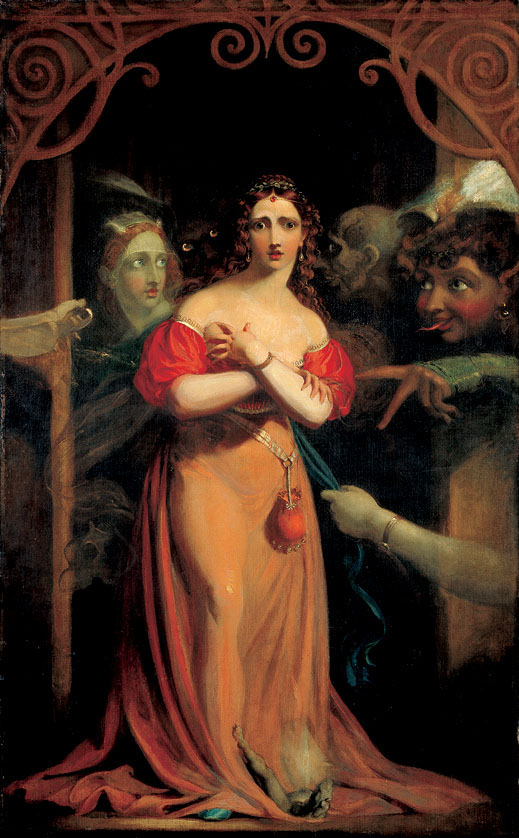
Supernatural phenomena are often described as intentional agents (gods, spirits, demons), anomalous events (miracles, apparitions), or hidden capacities (telepathy, clairvoyance). Common categories include:
- Religious and divine: deities, angels, miracles, providence.
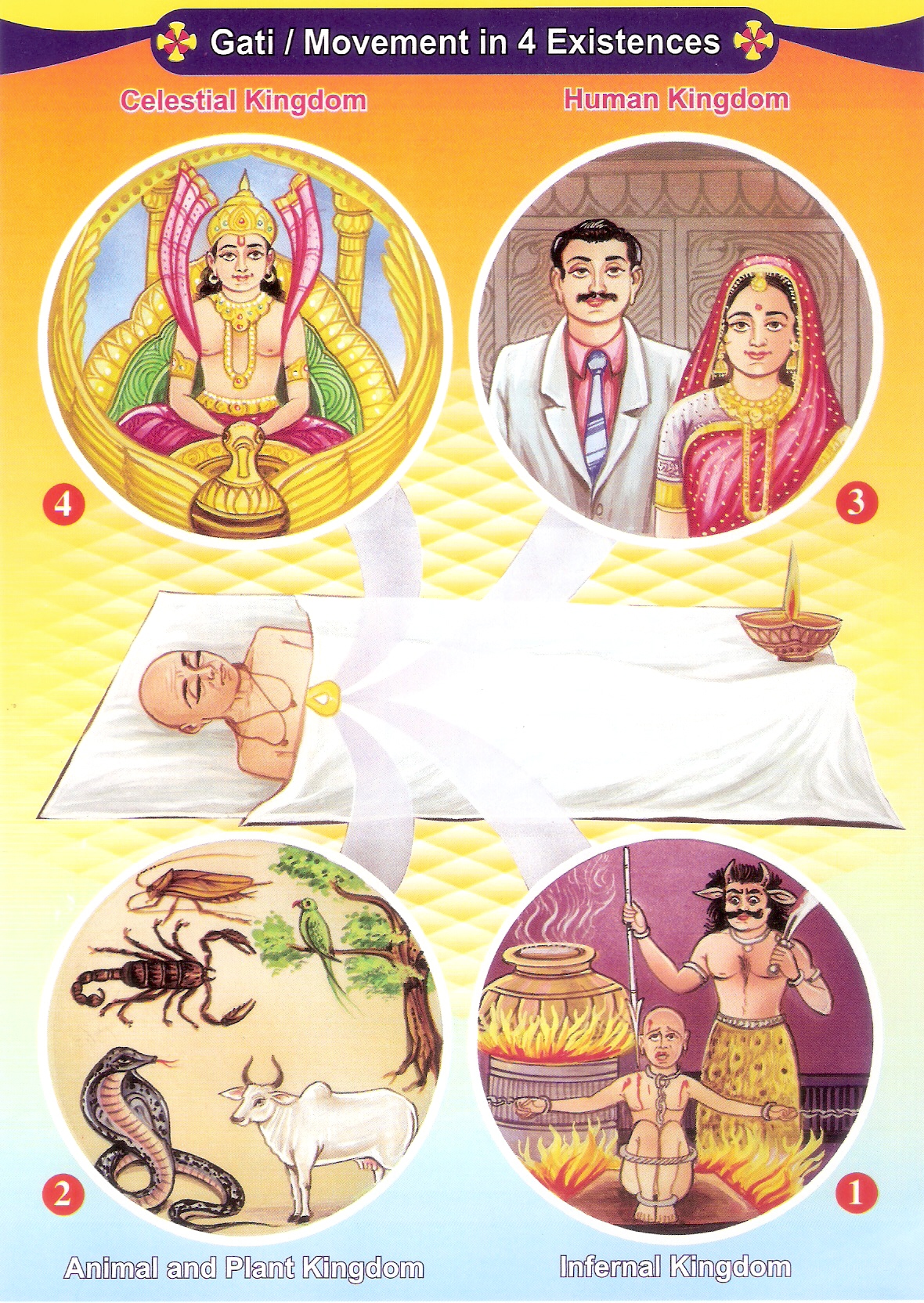
- Spiritual and afterlife: ghosts, spirits, souls, reincarnation.
- Psychic and occult: telepathy, precognition, magical practice.
- Mythic creatures and cryptids: dragons, fairies, Bigfoot.
Different traditions emphasize different categories and interpret them according to cultural frameworks.
History and cultural context
Belief in supernatural forces is ancient and nearly universal in human societies. Across history, supernatural explanations have been used to account for natural disasters, disease, cosmic origins, and moral order. With the rise of scientific methods in the early modern period, many phenomena formerly labeled supernatural were reinterpreted as natural. Nevertheless, supernatural concepts remained central to religion, literature, and popular culture.
Study, debate, and significance
Scholars approach the supernatural from several angles: historians and anthropologists document beliefs and practices; philosophers analyze metaphysical claims; psychologists study cognitive causes of belief; and parapsychology investigates reported phenomena under controlled conditions. Skeptics emphasize methodological rigor and demand reproducible evidence, while believers may appeal to testimony, tradition, or personal experience. These debates touch on broader questions about evidence, meaning, and the limits of scientific explanation.
Distinctions and notable points
It is useful to distinguish the supernatural from the paranormal (a narrower term often used for supposedly anomalous physical phenomena) and from metaphysical claims in philosophy. The supernatural also plays a substantial role in art, literature, and entertainment, where it functions as a theme for exploring fear, wonder, ethics, and the human condition.
For further perspectives, see discussions in philosophy of religion (philosophy), folklore studies (folklore), skeptical inquiry (skepticism), and comparative religion (comparative studies).
Related articles
Author
AlegsaOnline.com Supernatural: Concepts, Examples, History and Cultural Role Leandro Alegsa
URL: https://en.alegsaonline.com/art/95072