
Beekeeping (Apiculture): Overview, Practices, History, and Importance
Beekeeping, or apiculture, is the management of honey bees for products, pollination, and conservation. This article explains hives, methods, history, uses, and notable distinctions.
Beekeeping, also called apiculture, is the intentional keeping and management of honey bee colonies. Practitioners maintain hives to harvest honey, wax, propolis and other products, to provide pollination services for crops, and to support wild bee populations. Basic practical information and resources can be found via apiculture links.
Image gallery
10 Images


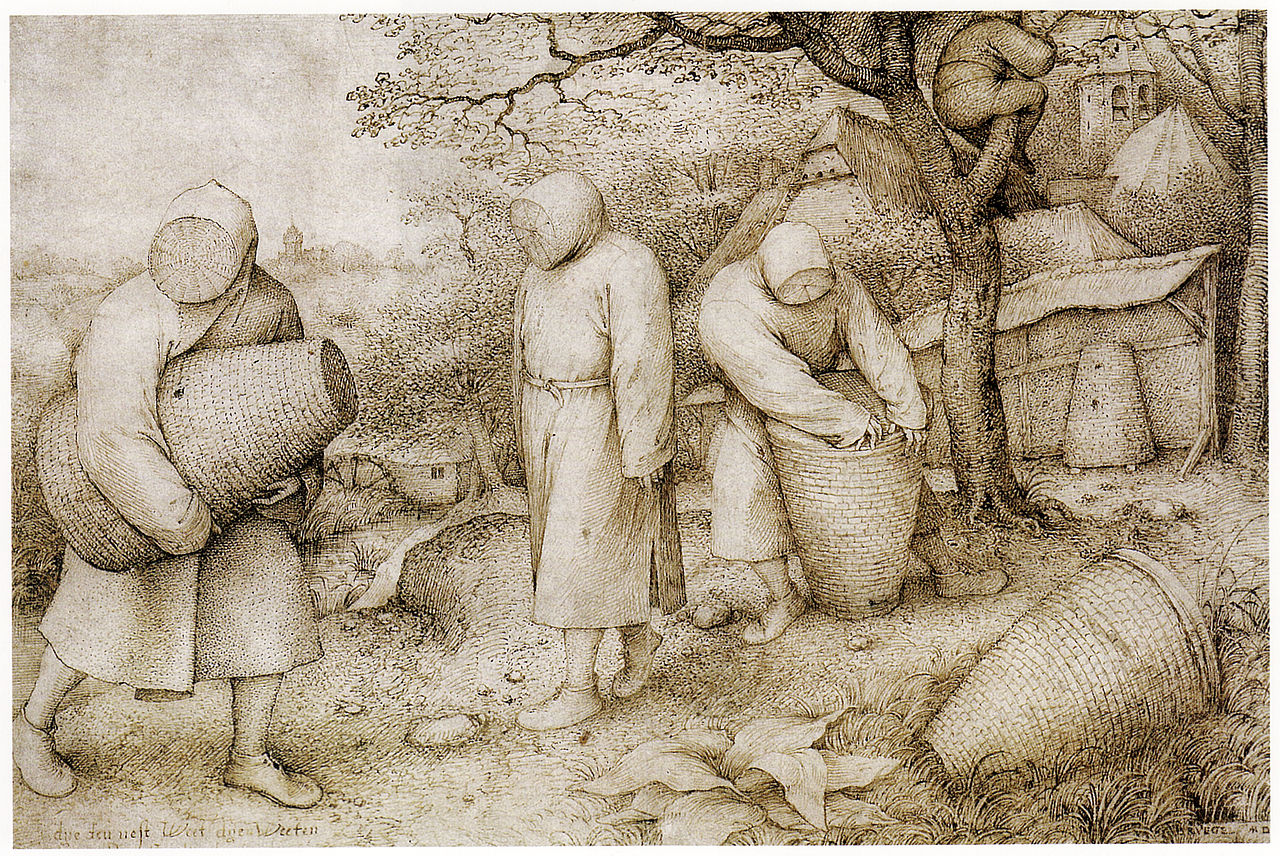


Hive structure and common practices
Modern beekeeping usually uses movable-frame hives that allow inspection and honey removal with minimal disturbance. Key elements include the brood nest (where the queen lays eggs), honey supers for storing surplus honey, and protective equipment used by the beekeeper. Management tasks involve feeding, disease monitoring, swarming control, and seasonal adjustments.
Typical equipment and techniques
- Hive types: Langstroth, top-bar, and Warre are the most common designs.
- Tools: smoker, hive tool, bee brush, and protective clothing.
- Techniques: splitting hives, queen rearing, integrated pest management for mites and pathogens.
History and development
People have harvested honey for millennia, with ancient rock art and containers showing early methods. Movable-frame hives and systematic techniques developed in the 19th century, enabling modern commercial and hobby beekeeping. Over time, breeding, transportation of colonies, and scientific understanding have shaped contemporary practice.
Uses, benefits and examples
Beekeeping supplies food and materials (honey, beeswax, royal jelly), supports agriculture through pollination, and contributes to ecosystem health. Urban and rural beekeeping each present different opportunities: city apiaries can boost local biodiversity while commercial operations focus on crop pollination and large-scale honey production.
Notable facts and distinctions
Beekeeping differs from general insect keeping by its emphasis on colony management and ecological services. Challenges include pests (Varroa mites), diseases, pesticide exposure, and habitat loss. Good practice balances production goals with colony welfare and environmental stewardship.
Related articles
Author
AlegsaOnline.com Beekeeping (Apiculture): Overview, Practices, History, and Importance Leandro Alegsa
URL: https://en.alegsaonline.com/art/10080
Sources
- theguardian.com : "Can cities save our bees? - Marion Tanguy"
- en.wikibooks.org : Beekeeping
- commons.wikimedia.org : Beekeeping