
Dairy farming: production, animals, history and practices
Overview of dairy farming: what it is, common species, typical management, historical development, major products and distinctions between dairy and meat production.
Dairy farming is the branch of agriculture devoted to producing milk and milk-derived foods. It differs from livestock raised primarily for meat: dairy operations focus on maintaining healthy, lactating animals to supply a steady flow of milk, while meat production emphasizes weight gain and slaughter. Modern descriptions of the sector often distinguish milk collection and processing from other forms of animal husbandry; for a basic definition see milk and contrast with general raising animals for food or with systems oriented to meat.
Image gallery
10 Images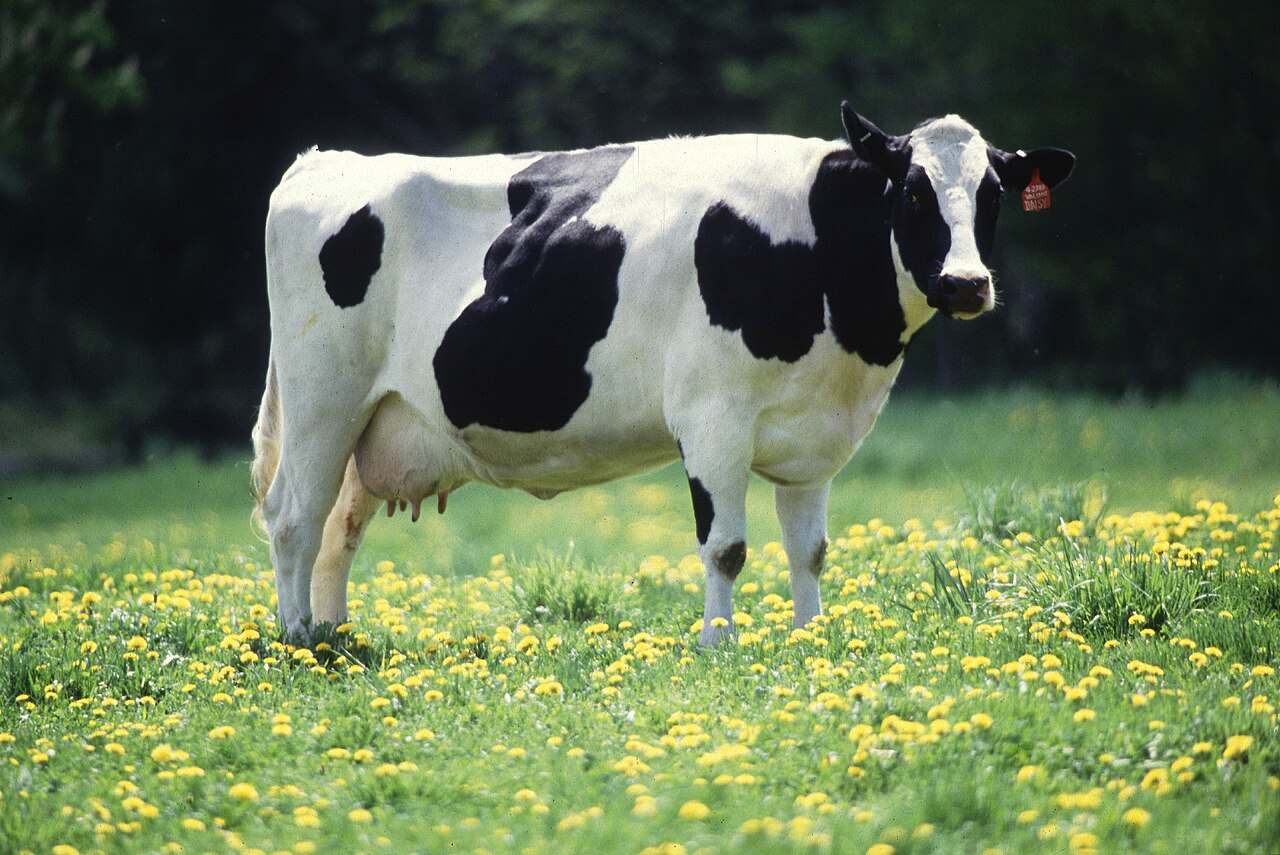



Common animals and products
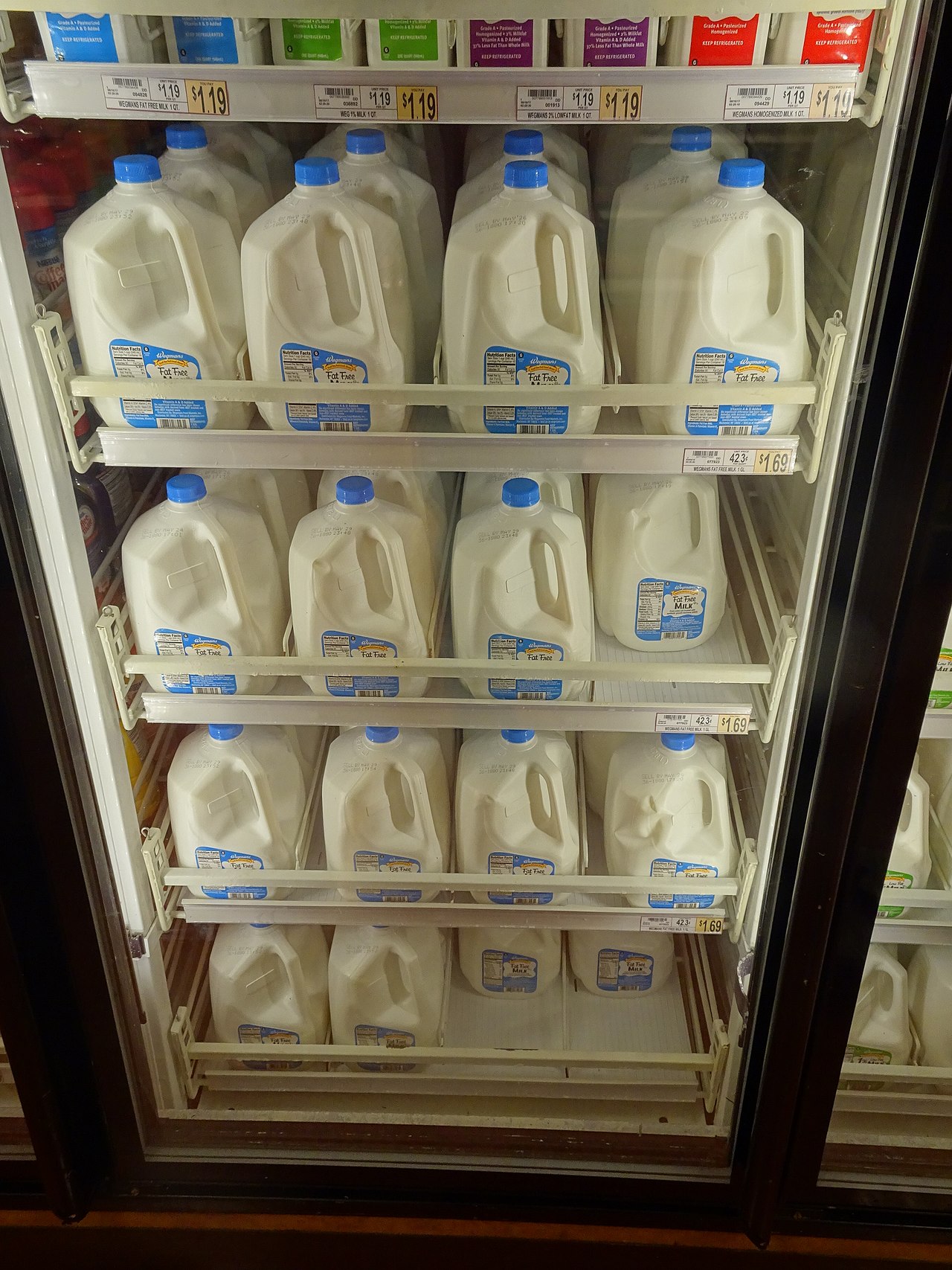
Several domesticated species are used in dairy systems. The most widespread are dairy cattle, valued for high yields and predictable lactation cycles. Other animals used in different regions or production systems include goats and sheep, which are important for cheese and specialty dairy items, and camels in arid zones where they tolerate sparse vegetation. In a few cultures, less common sources such as donkeys are kept for their milk, which some infants or people with specific digestive needs tolerate better than cow's milk. Dairy milk is processed into a variety of foods; general categories of end products include dairy products and specific items like cheese, butter and fermented products.
Characteristics and management
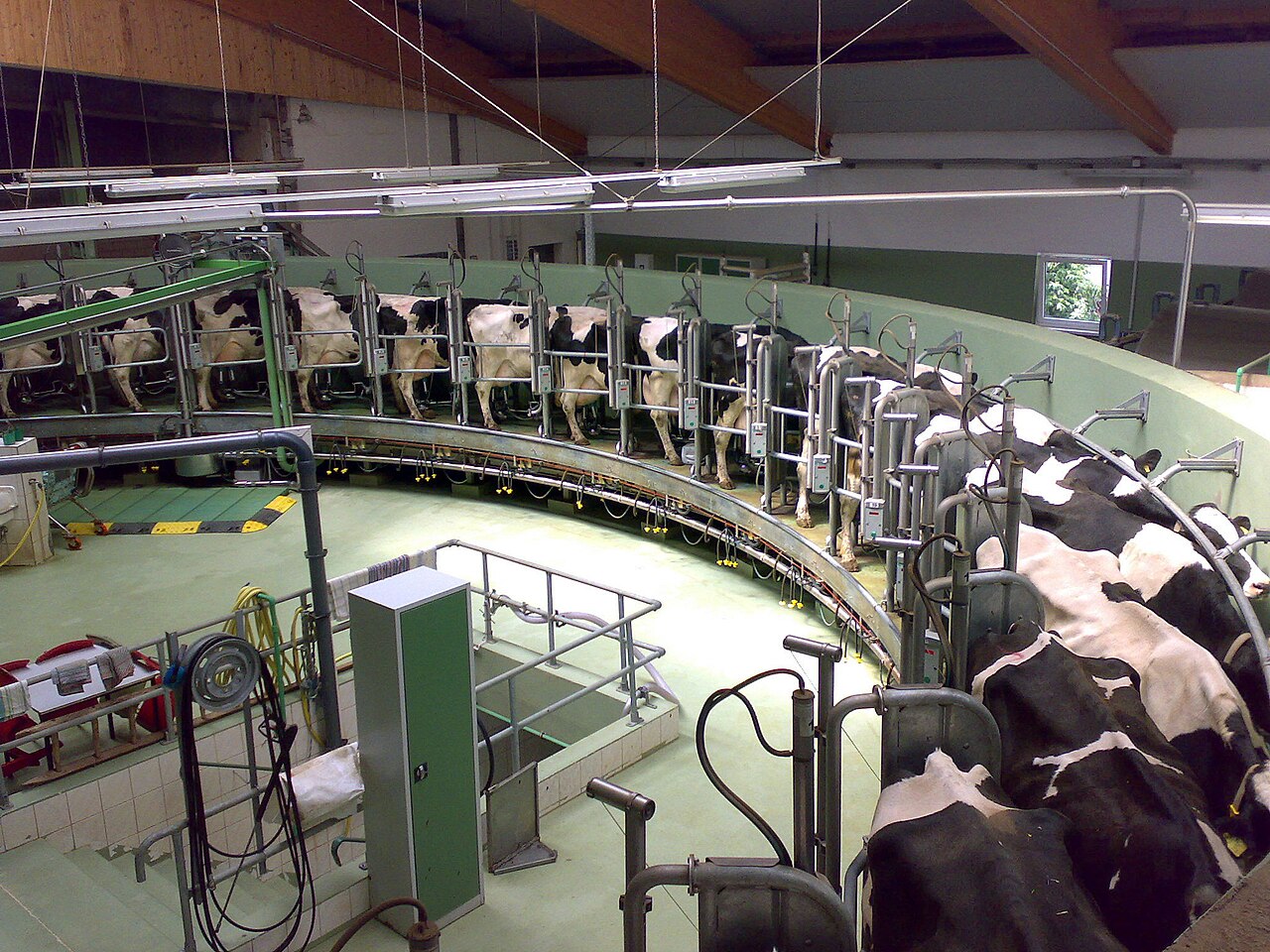
Effective dairy farming combines animal health, nutrition, housing and milking routines to sustain productivity. Key elements include:
- Herd management: breeding strategies, record keeping and culling practices to maintain productive animals.
- Feeding and nutrition: balanced rations to support lactation, including forage, concentrates and mineral supplements.
- Housing and welfare: stalls, barns or pasture systems designed to reduce stress and disease risk.
- Milking and hygiene: scheduled milking, cleanliness to protect milk quality, and cooling/storage until processing.
- Veterinary care and reproduction: disease prevention, vaccination and reproductive management to maintain herd performance.
History and development
Milking of domesticated animals has ancient roots and likely began soon after domestication. Over centuries, selective breeding, regional traditions and processing techniques produced diverse dairy cultures. In the 19th and 20th centuries, innovations such as mechanical milking equipment, refrigeration and pasteurization transformed the industry, enabling larger, more specialized farms and more consistent products. Today there is a broad range of operations from small family farms supplying local markets to large commercial dairies integrated with processing and distribution systems.
Uses, importance and distinctions
Dairy products supply concentrated sources of protein, fat, calcium and other nutrients and play significant roles in cuisines worldwide. Typical outputs include drinking milk, yogurts, cheeses, butter and whey-based ingredients used in food manufacturing. Dairy farming also has socioeconomic importance: it supports livelihoods, rural economies and food systems, but it raises environmental and animal-welfare considerations that influence policy and consumer choices. For cultural or nutritional insights about specific animals or products, see resources on camels and milk use in arid regions or on donkeys and lesser-known milks.
Questions and answers
Q: What is dairy farming?
A: Dairy farming is a type of agriculture that focuses on the production of milk.
Q: How is dairy farming different from meat production?
A: Dairy farming focuses on the production of milk, while meat farming focuses on raising animals for the purpose of producing meat.
Q: What are some common species used in dairy farming?
A: Cows are the most commonly used species in dairy farming, though goats, sheep, and camels are also used.
Q: Are donkeys used in dairy farming, and if so, why?
A: Yes, sometimes donkeys are used in dairy farming to produce an alternative to cows' milk for babies who may digest it better than cows' milk.
Q: How long has milk production been a part of farming?
A: Milk production has been a part of farming since prehistoric times.
Q: Have farmers become more specialized in milk production over time?
A: Yes, in the 20th century, some farmers have become more specialized in producing only milk on their farms.
Q: What can milk be used to produce besides just being consumed directly?
A: Milk can be used to produce various dairy products, including cheese.
Related articles
Author
AlegsaOnline.com Dairy farming: production, animals, history and practices Leandro Alegsa
URL: https://en.alegsaonline.com/art/25127
Sources
- tsln.com : "Donkey milk for human health?"