
4-H (United States youth development organization)
4-H is a U.S. youth development movement administered by USDA NIFA. Centered on head, heart, hands, and health, it uses experiential learning to build leadership, life skills, citizenship, STEM and healthy living.
4-H is a long-established youth development movement in the United States administered at the federal level by the National Institute of Food and Agriculture of the U.S. Department of Agriculture. The organization promotes experiential, project-based learning and a positive youth development approach. Its name reflects four areas of personal development emphasized by its programs: head (thinking skills), heart (relationships and caring), hands (practical skills and service) and health (physical and emotional well-being). The movement's motto, "To make the best better", and its slogan, "Learn by doing", summarize its focus on active, applied learning.
Image gallery
10 Images





Mission and core values
The primary goal of 4-H is to help young people develop citizenship, leadership, responsibility and life skills. Programming is designed to build competence, confidence, connection, character and caring through sustained, mentored involvement. While 4-H has historical roots in agricultural education, contemporary programming intentionally addresses a broad range of topic areas including STEM (science, technology, engineering and mathematics), healthy living, civic engagement, entrepreneurial skills and creative arts.
Structure and governance
4-H is organized as a cooperative network. The National Institute of Food and Agriculture provides national administration and oversight while state land-grant universities, cooperative extension systems and county offices deliver most programming locally. Volunteer adult leaders, educators and youth officers play a central role in organizing clubs, camps, workshops and events. Local governance and program delivery vary by state and community, producing flexibility to meet urban, suburban and rural needs.
Membership and volunteers
Membership is open to children and teens, traditionally from around five to nineteen years of age, who participate in clubs, school-based programs, after-school activities and summer camps. The movement reports millions of youth participants nationwide, and it depends heavily on volunteers who serve as project leaders, mentors and judges. Volunteer training, background checks and support are common features of local programs.
Programs and typical activities
4-H offers a wide variety of hands-on projects and learning experiences to reflect youth interests and local resources. Common program areas include:
- animal and veterinary science, livestock and companion animal projects with practical care and exhibition components;
- gardening, natural resources and environmental stewardship;
- STEM programming such as robotics, coding, engineering challenges and science investigations;
- food, nutrition and healthy living initiatives that promote wellness and food safety;
- leadership development, public speaking, citizenship projects and community service;
- creative arts, sewing, photography and media literacy projects.
Educational approach and outcomes
Programs use project-based, experiential learning that asks youth to set goals, plan and carry out activities, and reflect on results. This approach is intended to help participants build practical skills, problem-solving ability and social competence. Research and evaluation in youth development often indicate positive associations between long-term involvement and outcomes such as improved leadership, higher educational aspirations and career preparedness, although results vary across contexts and populations.
Emblem, traditions and public presence
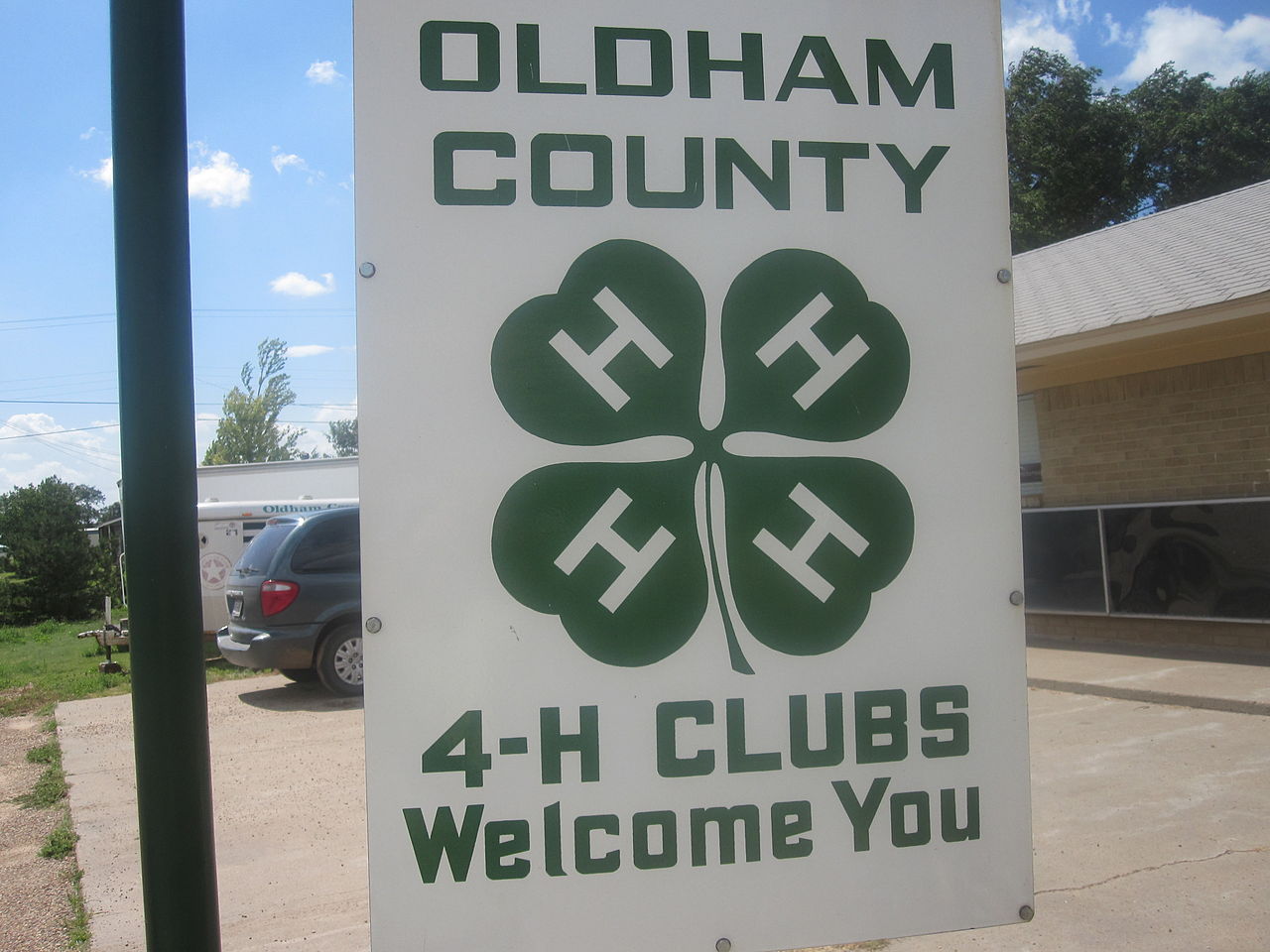
The 4-H emblem is a green four-leaf clover with a white H on each leaf; the letters represent head, heart, hands and health. The emblem is widely recognized and legally protected for official use. Traditions such as county fairs, project exhibitions, judging contests, state events and overnight camps remain visible aspects of the movement and provide settings where youth demonstrate learning and leadership.
International presence and partnerships
Programs that carry the 4-H name or share similar methods exist in many countries. These programs operate independently but sometimes collaborate through exchanges, shared curricula and global education efforts. In the United States, 4-H also partners with schools, nonprofit organizations, businesses and community groups to expand reach and provide resources.
Funding, accountability and evolution
Funding for 4-H comes from a mix of federal support, state and local extension budgets, program fees, philanthropic grants and community contributions. As a long-standing institution, 4-H has evolved in response to changing social needs and has periodically updated its programming to emphasize inclusivity, diversity and contemporary skill areas such as STEM and digital literacy.
Further information
For official information about national administration and federal support of 4-H, see the USDA NIFA resources: USDA NIFA 4-H information. For membership figures, program descriptions and resources, consult national and state 4-H reports and public data summaries: membership and program data.
Questions and answers
Q: What is 4-H in the United States?
A: 4-H is a youth organization administered by the National Institute of Food and Agriculture of the United States Department of Agriculture (USDA).
Q: What is the mission of 4-H?
A: The mission of 4-H is to engage youth to reach their fullest potential while advancing the field of youth development.
Q: What does the name "4-H" represent?
A: The name "4-H" represents four personal development areas for the organization's members: head, heart, hands, and health.
Q: What is the goal of 4-H?
A: The goal of 4-H is to develop citizenship, leadership, responsibility, and life skills of youth through experiential learning programs and a positive youth development approach.
Q: Is 4-H only focused on agriculture?
A: No, 4-H today focuses on citizenship, healthy living, science, engineering, and technology programs.
Q: How many members does 4-H have in the United States?
A: 4-H has over 6.5 million members in the United States, who are five to 19 years old and participate in approximately 90,000 clubs.
Q: Does 4-H exist only in the United States?
A: No, 4-H and related programs exist in over eighty countries around the world, each operating independently but cooperating in international exchanges, global education programs, and communications.
Related articles
Author
AlegsaOnline.com 4-H (United States youth development organization) Leandro Alegsa
URL: https://en.alegsaonline.com/art/112880
Sources
- ca4h.org : "The California 4-H Youth Development Program - Directions for the Decade Ahead"
- fourhcouncil.edu : National 4-H Council
- national4-hheadquarters.gov : National 4-H Headquarters
- desmoinesregister.com : Famous Iowans: Jessie Field Shambaugh.
- naldr.nal.usda.gov : "Compilation of early correspondence and publications related to Boys' and Girls' Club Work produced by the United States Department of Agriculture"
- cals.arizona.edu : "4-H Detailed History"