
Graham Greene: novelist, screenwriter and chronicler of moral ambiguity
Graham Greene (1904–1991), English novelist and playwright. Known for morally complex thrillers, Catholic themes, travel writing and film work; his life, health and politics influenced much of his fiction.
Graham Greene (1904–1991) was a prominent English writer whose work blended literary seriousness with elements of thriller, espionage and moral reflection. Celebrated for novels that probe conscience and corruption, he achieved both popular success and critical attention during a long career.
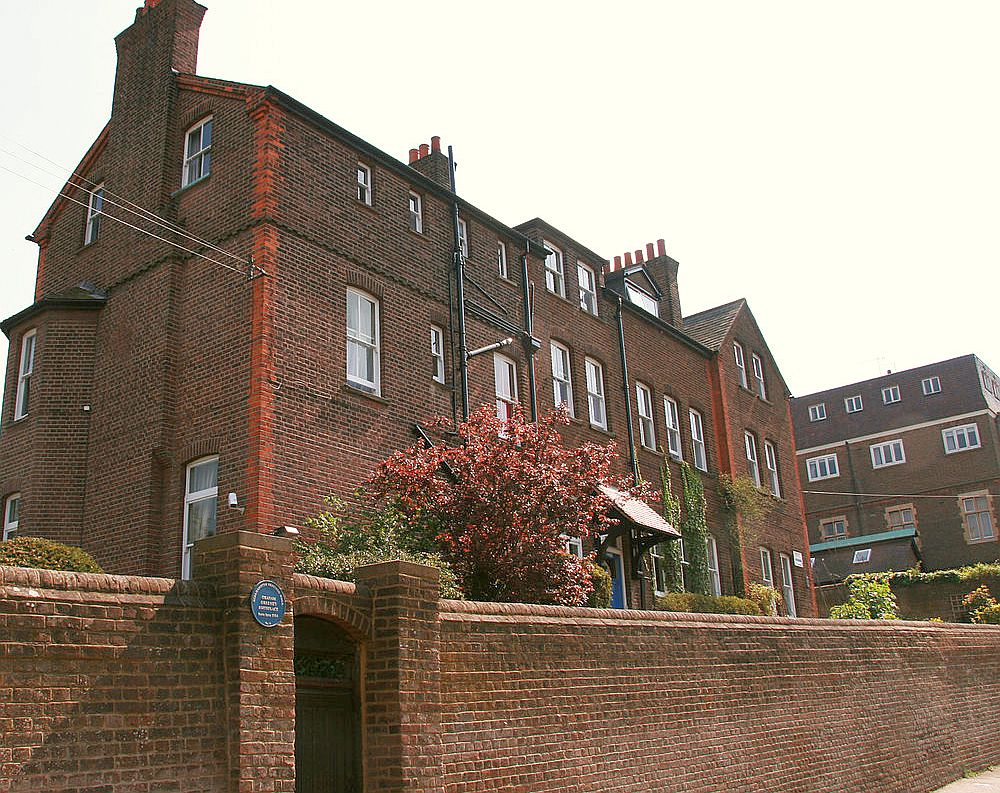
Greene was born in Berkhamsted, Hertfordshire, into a family with mercantile ties that included Caribbean plantations on Montserrat and St. Kitts. He read at Balliol College, Oxford, and after working as a journalist he turned to fiction and other forms, establishing himself as a novelist and public intellectual writer.
Image gallery
7 Images




Works and forms
Greene wrote across genres: novels, travel books, biographies and memoirs, plays and autobiographies, together with screenplays and short fiction. He also produced stage works and lighter pieces. Notable titles range from intense moral dramas to lighter "entertainments" that foreground plot and suspense.
- Plays and stage adaptations
- Screenplays and film collaborations
- Short stories and essays
Themes and style
Greene's Catholic faith—while complex and sometimes ambivalent—deeply informed his interest in sin, guilt, redemption and the fallibility of institutions; his Catholicism provided recurring moral questions rather than simple answers. He combined a spare, economical prose with narrative devices drawn from thriller and espionage fiction, often setting moral dilemmas in politically charged locations.
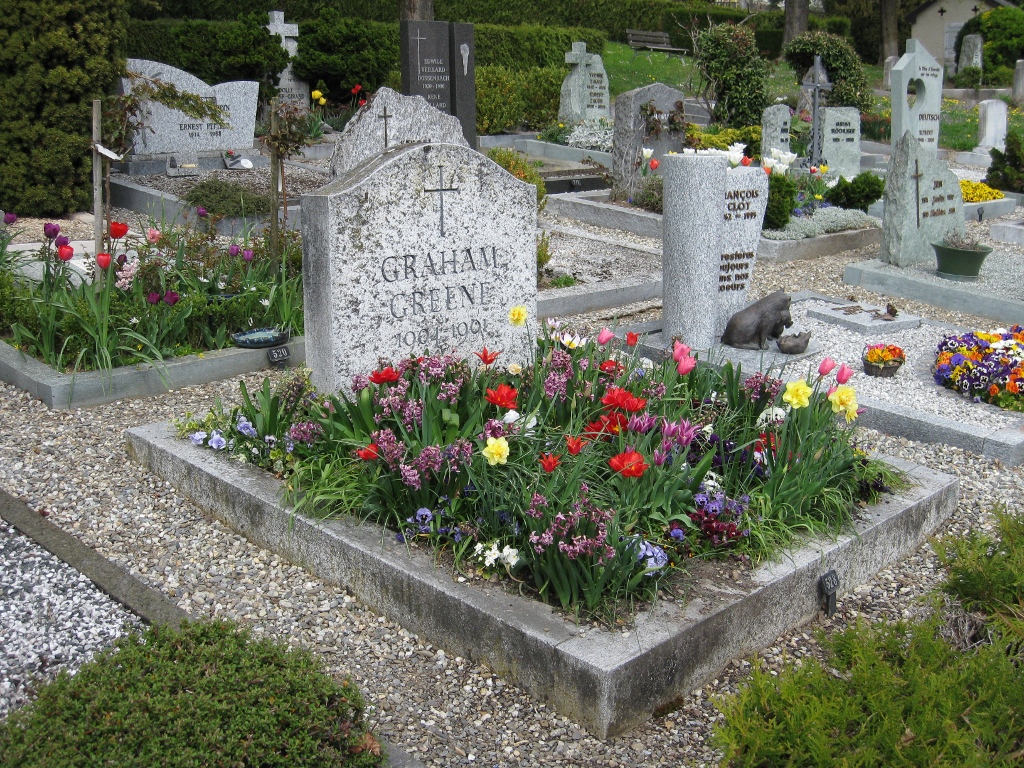
His personal life shaped public perceptions of his work: he struggled with mood disorder and periods of severe depression and has been described as having bipolar disorder. Later in life he travelled frequently, worked in film, and accepted official honors. Greene died of leukaemia in Vevey, Switzerland.
Legacy: Greene's novels continue to be read for their moral intensity, cinematic pacing and complex engagement with faith and politics. His stories have been adapted widely for stage and screen and remain a staple of study in modern literature courses.
Related articles
Author
AlegsaOnline.com Graham Greene: novelist, screenwriter and chronicler of moral ambiguity Leandro Alegsa
URL: https://en.alegsaonline.com/art/40096
Sources
- books.google.com : Graham Greene: Fictions, Faith and Authorship
- enotes.com : eNotes