
Grand Duchess Maria Nikolaevna of Russia (1899–1918)
Third daughter of Tsar Nicholas II and Tsarina Alexandra; known for her devotion to wounded soldiers, youthful vivacity, and death with her family in 1918. Canonized by the Russian Orthodox Church.
Grand Duchess Maria Nikolaevna was a member of the last imperial family of Russia, born in 1899 and killed with her parents and siblings in 1918. Her full designation in Russian appears in some sources as Великая Княжна Мария Николаевна, and her birth date is sometimes given with the old-style calendar notation (O.S.). She was the third daughter of Tsar Nicholas II and Tsarina Alexandra Fyodorovna, and is remembered both for her personal qualities and for the enduring historical interest in the fate of the Romanovs.
Image gallery
10 Images


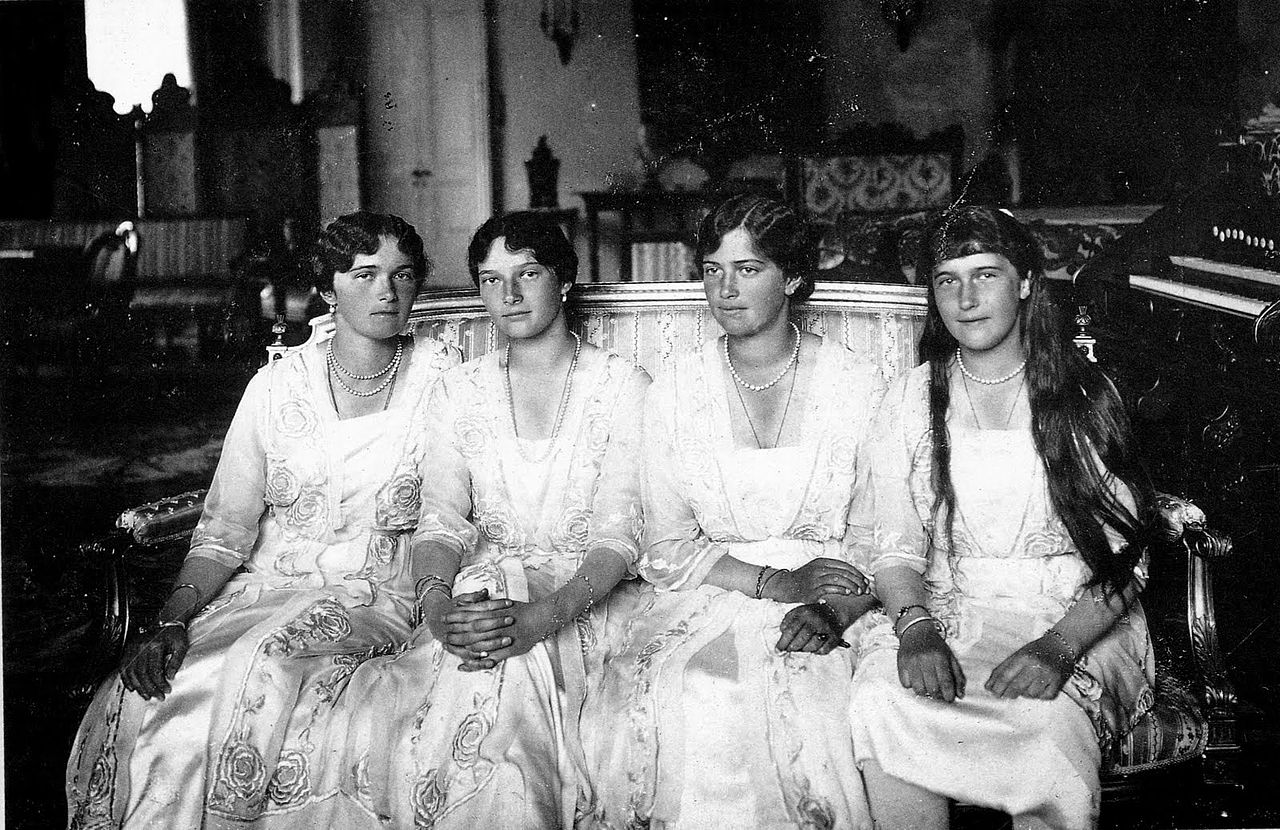

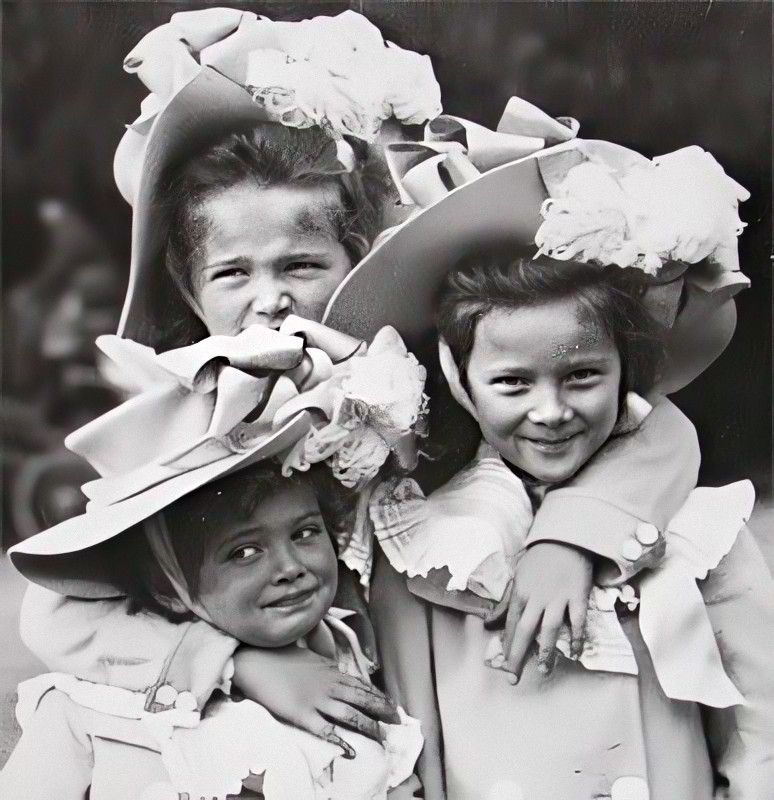

Early life and family
Maria grew up at the imperial residences with her sisters and younger brother. Her immediate family included:
- Olga, the eldest sister;
- Tatiana, her close companion;
- Anastasia, a younger sister often associated in popular stories — referenced here as Anastasia;
- Alexei, the hemophiliac heir.
From childhood she was described in contemporaneous accounts as lively and affectionate. Like her sisters she received a private education and a strong emphasis on duty, religion, and family life. She expressed hopes of marriage and of having a large family of her own, and observers noted a flirtatious, romantic side to her nature.
Activities during the war and personality
During World War I Maria could not serve as a frontline Red Cross nurse in the same formal capacity as some of her sisters because of her age, but she took on public responsibilities. She was patroness of an imperial hospital and made frequent visits to see the wounded soldiers. Those encounters left a noticeable impression: she showed genuine interest in the lives of the men she met and was reported to have had a number of innocent youthful crushes on soldiers and attendants. Her social manner combined charm and shyness, and she enjoyed music, family occasions, and the informal company of close friends.
Captivity, execution and absence of remains
After the 1917 revolution the imperial family was placed under house arrest and ultimately held in the Urals. In 1918 they were executed by Bolshevik forces. For decades, the exact disposition of all remains was a matter of uncertainty. Initial grave discoveries in the 1990s recovered many members of the household, and later work found additional remains; debates over which skeletons corresponded to which family members continued until forensic and genetic testing were applied. At various times researchers and claimants speculated that one of the missing remains might be Maria, a hypothesis tied to gaps in the early grave recoveries; see discussions related to the Romanov grave.
Canonization and historical legacy
Maria and the rest of the imperial family were formally recognized by the Russian Orthodox Church as martyrs in the early 21st century, described in church language as passion bearers, and their recognition is documented by the Russian Orthodox Church and related sources. The family’s fate, the mystery that surrounded the missing remains for many years, and the eventual confirmation by DNA testing have all contributed to ongoing public interest. Summaries of the scientific and archival work on the case are available in historical overviews and forensic reports.
Notable facts and further reading
Noteworthy points about Maria include her role as a compassionate young patron of medical care, her ambitions for marriage and family life (marry), and the contrast between her private warmth and the public tragedy that ended her life. For more detailed accounts, readers can consult archival materials, biographies, and specialized studies that address the family’s letters, the hospital patronage, and the later identification efforts. General resources and museum collections provide accessible introductions to the Romanov story and to Maria’s place within it; see contextual links and catalogs for additional information linked here: name, canonization notice, dates, and historical summaries available through curated archives (hospital records, wounded reports, personal recollections, and family accounts).
Questions and answers
Q: Who was Grand Duchess Maria Nikolaevna of Russia?
A: Grand Duchess Maria Nikolaevna of Russia was the third daughter of Tsar Nicholas II of Russia and Tsarina Alexandra Fyodorovna (Alix of Hesse). She was murdered in the Russian Revolution of 1917 and later canonized as a passion bearer by the Russian Orthodox Church.
Q: What did Maria do when she lived?
A: When she lived, Maria was not old enough to be a Red Cross nurse like her sisters. Instead, she was patroness of a hospital and visited wounded soldiers. She was very interested in the lives of the soldiers, and had several innocent crushes on the young men she met.
Q: What did Maria want to do?
A: Maria wanted to marry and have a big family. She was known to be flirtatious at a young age.
Q: Who is Grand Duchess Anastasia Nikolaevna?
A: Grand Duchess Anastasia Nikolaevna is Maria's younger sister who became famous for stories about her escape from the murder of the royal family for almost 90 years.
Q: Was it suggested that one grand duchess' remains were not found in Romanov grave?
A: Yes, it was suggested that one grand duchess' remains were not found in Romanov grave which might have been those belonging to Maria. However, further remains were discovered in 2007, and DNA proved at last that the entire Imperial family had been murdered in 1918.
Q: How long has Anastasia's story been around for?
A: Anastasia's story has been around for almost 90 years since it first emerged after her supposed escape from murder with other members of her royal family during the Russian Revolution in 1917.
Related articles
Author
AlegsaOnline.com Grand Duchess Maria Nikolaevna of Russia (1899–1918) Leandro Alegsa
URL: https://en.alegsaonline.com/art/40180