
Graham Taylor: English football manager and club leader (1944–2017)
Overview of Graham Taylor, his playing and managerial career, England tenure, Watford success, later roles, and legacy in English football.
Graham Taylor OBE was a prominent English football figure whose career spanned playing, management and club leadership. Born in Worksop, Nottinghamshire, on 15 September 1944, he played professionally before becoming a manager noted for transforming smaller clubs and later taking charge of the national side. He died on 12 January 2017 in Kings Langley, Hertfordshire.
Image gallery
4 Images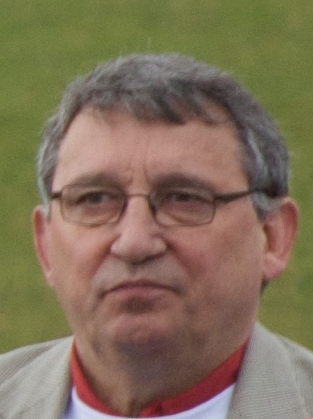



Overview
Taylor was a British football personality whose reputation was built on strong leadership, attention to organisation and an emphasis on fitness and teamwork. He was awarded an OBE for his services to the game. His career included notable spells as a player, long-term management successes in the English league system and a period as manager of the England national team.
Playing and managerial career
As a player he spent a decade in the professional ranks, making his senior debut in the early 1960s and appearing for clubs such as Lincoln City and Grimsby Town between 1962 and 1972. After retiring from playing he moved into coaching and management, becoming best known for his work at Watford Football Club, where he engineered a rapid rise from the lower divisions into the top tier of English football and secured the club's highest league placing in its history.
- Clubs he played for: Lincoln City, Grimsby Town.
- Clubs he managed: Watford, Aston Villa, Wolverhampton Wanderers and earlier in his career Lincoln City.
England tenure and public profile
Taylor was appointed manager of the England national team in 1990. His spell in charge proved difficult and attracted intense media scrutiny; a television documentary recorded the pressures of managing the national side and shaped public perception of his time in the role. He left the post in 1993 and returned to club management and later took on executive responsibilities.
Later roles, style and legacy
After his managerial years Taylor served as chairman and retained a long association with Watford Football Club, contributing to the club's identity and development off the pitch. Colleagues and supporters remember him for his clear organisational approach, direct style of play, emphasis on player fitness and his ability to improve under-resourced teams. He married Rita Cowling in 1965 and had two daughters; his passing at the age of 72 was marked by tributes across the football community.
Taylor's career remains a reference point in discussions about management under pressure, the role of leadership in club transformation, and the public scrutiny faced by national team managers. For further reading on clubs and periods mentioned see club pages and historical records for Lincoln City, Grimsby Town, Watford, Aston Villa and Wolverhampton Wanderers.
Related articles
Author
AlegsaOnline.com Graham Taylor: English football manager and club leader (1944–2017) Leandro Alegsa
URL: https://en.alegsaonline.com/art/40100