
Grand Duchess Olga Alexandrovna of Russia (1882–1960)
Youngest daughter of Alexander III and sister of Nicholas II; a Russian grand duchess who survived the revolution, lived in exile, pursued painting, and became the last surviving child of her parents.
Overview
Grand Duchess Olga Alexandrovna (13 June 1882 [Old Style 1 June] – 24 November 1960) was the youngest child of Emperor Alexander III of Russia and Empress Maria Feodorovna. She was a sister of Tsar Nicholas II and a member of the Romanov dynasty. Olga is remembered for her quiet resilience during the upheavals of the early 20th century, for leaving Russia after the Revolution, and for a long life spent largely outside the circles of European courts.
Image gallery
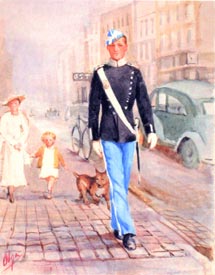
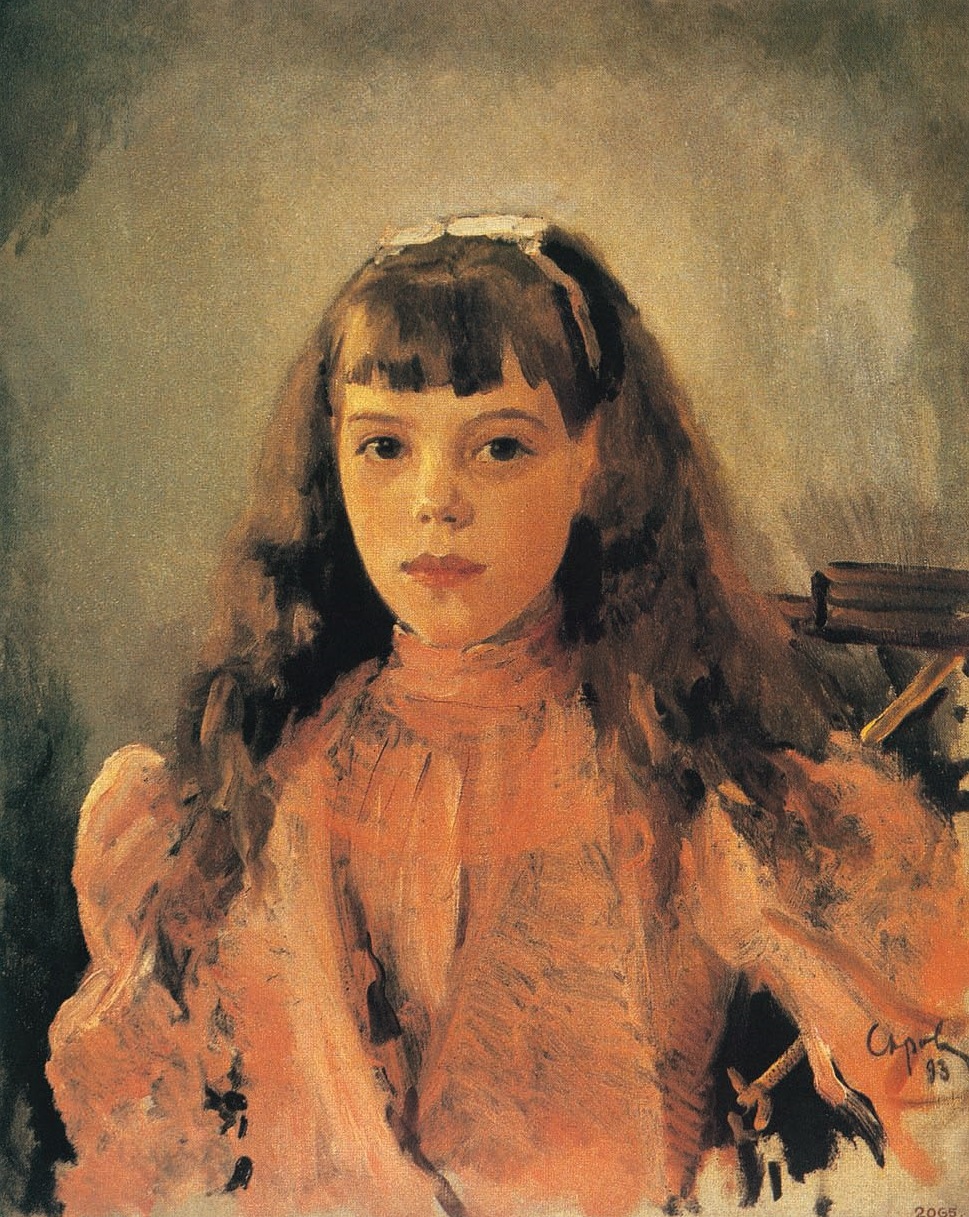
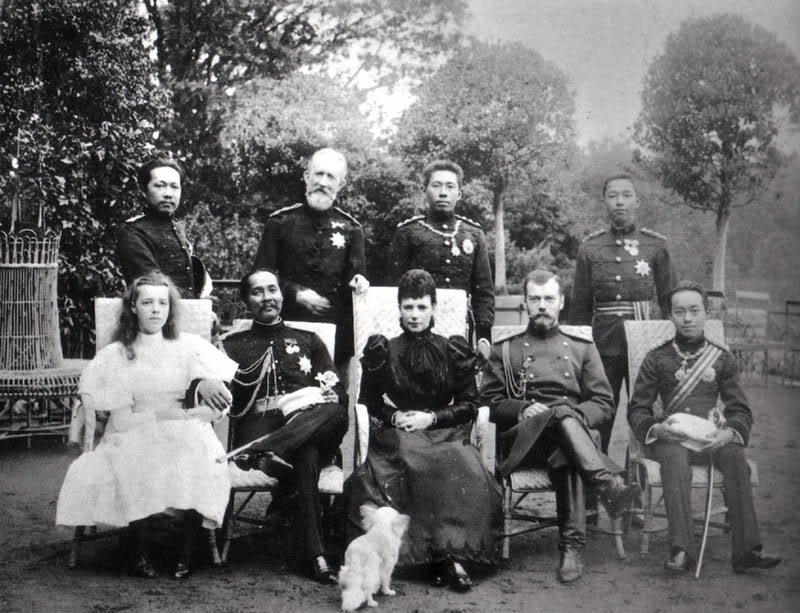
10 Images




Early life and family
Olga grew up at the imperial court under the strict etiquette of late imperial Russia. Contemporary accounts describe her as more intimate with her father than with her mother; she and Alexander III had a warmer personal connection and shared confidences. Her childhood and adolescence were shaped by dynastic expectations: arranged marriages, court duty, and education appropriate to a grand duchess. In 1901 she entered a dynastic marriage with Duke Peter Alexandrovich of Oldenburg.
Marriages and personal choices
The marriage to Duke Peter proved conventional but not a deep emotional partnership. By the early 1900s Olga had formed a close attachment to an army officer, Nikolai Kulikovsky, and she maintained that relationship through the difficult years that followed. She and Peter separated during World War I, and Olga later married Kulikovsky, whom she had loved for many years; the marriage reflected her wish for a more private and affectionate life than dynastic duty could provide. Olga had children and focused on family life when circumstances allowed.
The Revolution, escape, and exile
When the Russian Revolution swept away the imperial order in 1917, Olga and her loved ones faced grave danger. She spent time in the Crimea with her mother and husband as the civil war and Bolshevik reprisals made life precarious. While her brother Nicholas II and his immediate family were arrested and later murdered, Olga managed to leave Russia in the years that followed. Her route into exile took her first to other parts of Europe and later to countries farther afield as she sought stable refuge away from the turmoil in her homeland.
Life abroad and artistic pursuits
In exile Olga lived modestly compared with her childhood conditions. She supported herself and her family in part through artistic work: she painted, especially watercolours and landscapes, and sold some of her art to raise funds. Her work reflected a simple, observational style suited to the life she led after leaving the imperial court. During the interwar years and after World War II she moved between Denmark and other countries, eventually spending her final years in North America.
Encounters and later years
After the violent end of many members of the Romanov family, Olga was repeatedly contacted by people claiming to be surviving relatives. The most famous of these claimants was Anna Anderson, who said she was Olga's niece, Grand Duchess Anastasia. Olga met Anderson during a visit to Berlin in 1925; after meeting her and considering the evidence, Olga expressed doubt about Anderson's claim and never gave full acceptance. Over time Olga continued to receive visitors, to correspond with sympathizers, and to represent one of the last living links to the pre-revolutionary imperial family. She died in 1960, having outlived all her siblings and becoming the last surviving child of Alexander III and Maria Feodorovna.
Notable facts
- Birthdate and calendar: her baptism and birth were recorded under the Julian calendar customary in Russia at the time; some sources note the two-calendar dates (Old Style date).
- Parentage: daughter of Alexander III and Empress Maria Feodorovna.
- Second husband: she married Nikolai Kulikovsky, a match based on affection rather than dynastic necessity.
- Refuge in the south: she and her family sought safety in the Crimea during the civil war.
- Family tragedy: her brother’s children, including the young Anastasia, became central to later controversies about survival and impostors.
- Meeting with claimants: Olga met the well-known claimant Anna Anderson during a visit to Berlin in Germany and remained unconvinced of Anderson’s identity.
Olga Alexandrovna’s life spans the last decades of imperial Russia, the turmoil of revolution and war, and the long aftermath of exile. Her recorded attitudes, modest artistic output, and witness to Romanov history have made her an object of historical interest as both a member of a fallen dynasty and as an individual who sought a quieter path after catastrophe.
Questions and answers
Q: Who was Grand Duchess Olga Alexandrovna of Russia?
A: Grand Duchess Olga Alexandrovna of Russia was the youngest child of Emperor Alexander III of Russia and the last surviving child of Alexander III of Russia and Maria Feodorovna, Empress of Russia. She was the last Grand Duchess of Imperial Russia.
Q: Who was Olga Alexandrovna's older brother?
A: Olga Alexandrovna's older brother was Tsar Nicholas II.
Q: Was Olga Alexandrovna close to her mother Empress Maria Feodorovna?
A: No, Olga Alexandrovna was not close to her mother Empress Maria Feodorovna.
Q: Whom did Olga Alexandrovna marry in 1901?
A: Olga Alexandrovna married Duke Peter Alexandrovich of Oldenburg in 1901.
Q: When did Olga Alexandrovna escape from Russia?
A: Olga Alexandrovna escaped from Russia in 1919.
Q: Who were murdered by communists among Olga's family after the Russian Revolution of 1917?
A: Olga's brother and his family, including Olga's niece Grand Duchess Anastasia, were murdered by communists after the Russian Revolution of 1917.
Q: Who did Olga Alexandrovna meet in a famous visit to Berlin, Germany, in 1925?
A: Olga Alexandrovna met Anna Anderson, the best-known Anastasia impostor, in a famous visit to Berlin, Germany, in 1925.
Related articles
Author
AlegsaOnline.com Grand Duchess Olga Alexandrovna of Russia (1882–1960) Leandro Alegsa
URL: https://en.alegsaonline.com/art/40181
Sources
- history-gatchina.ru : "The Unfading Light of Charity: Grand Duchess Olga As a Philanthropist And Painter"