
Saint Kitts and Nevis
A two-island federation in the eastern Caribbean known for volcanic landscapes, colonial history, tourism, offshore services and its status as one of the smallest independent states in the Americas.
The Federation of Saint Kitts and Nevis is a small sovereign state composed of two islands in the Caribbean Sea. The capital is Basseterre, located on the larger island of St Kitts and often called Saint Christopher. The islands sit in the eastern Caribbean, roughly one-third of the way from Puerto Rico to Trinidad and Tobago. As a federation it is the smallest independent country in the Western Hemisphere by land area and among the least populous sovereign states in the Americas.
Image gallery
10 Images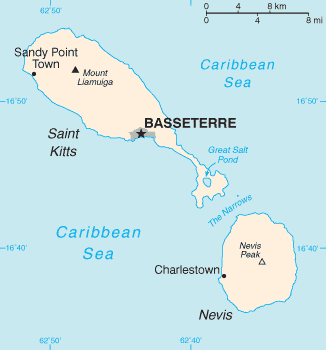




Geography and environment
Both islands are of volcanic origin and display steep forested slopes, narrow coastal plains and fringing coral reefs. St Kitts is dominated by a central volcanic peak, while Nevis has a prominent central mountain and well-preserved colonial towns. The climate is tropical and moderated by trade winds; rainfall patterns vary with elevation and exposure. Natural habitats include montane and lowland forests, dry coastal scrub and reef systems that support marine biodiversity. Environmental management focuses on protecting watersheds, coral reefs and coastal areas that are important for tourism, fisheries and local livelihoods.
History and political development
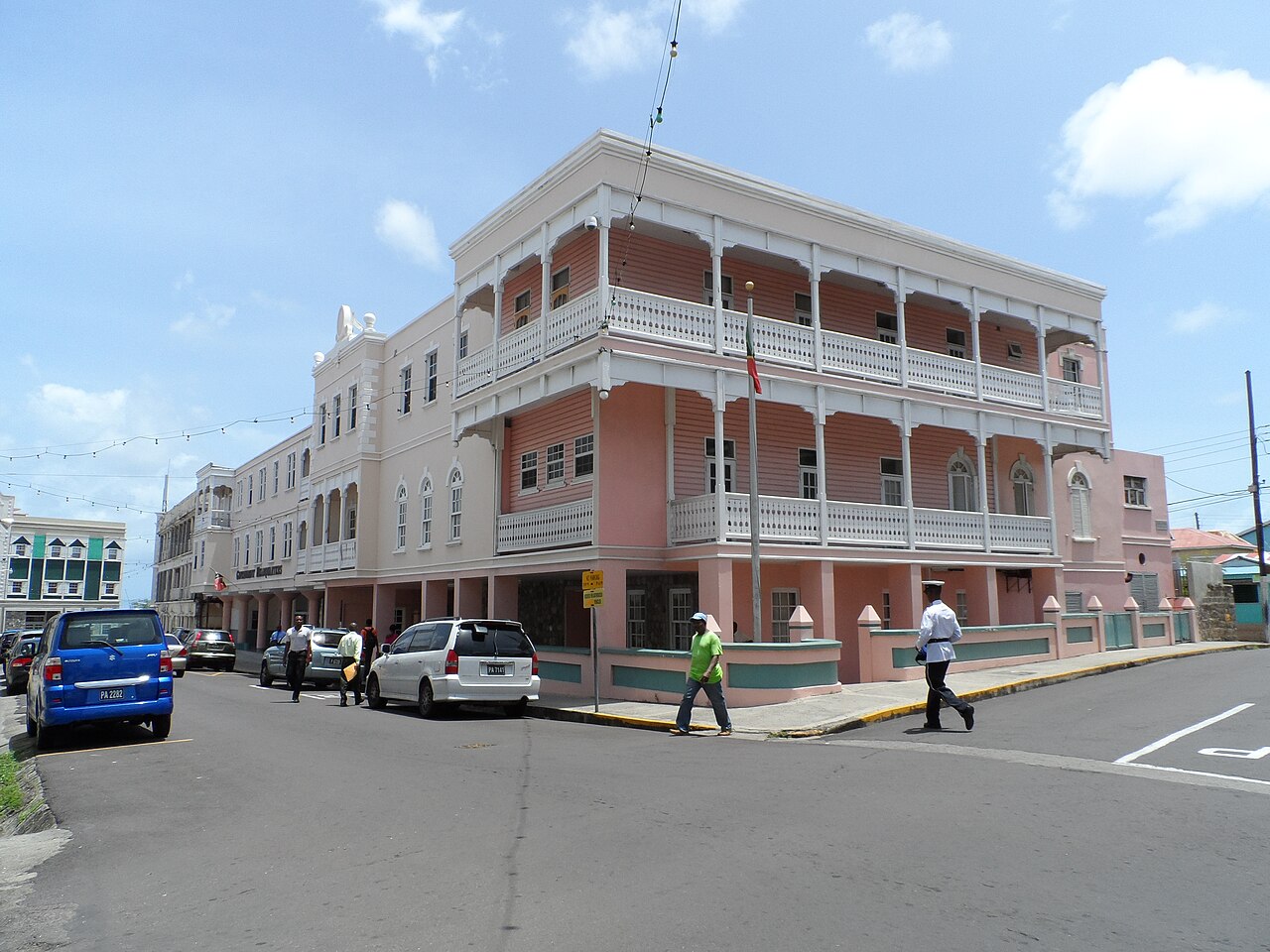
Indigenous peoples inhabited the islands before European contact in the 15th and 16th centuries. During the colonial era British and French planters established sugar plantations that relied on enslaved African labour; the remnants of plantation landscapes and architecture remain part of the islands’ heritage. Slavery was abolished in the 19th century and plantation economies changed over time. Political arrangements evolved under British rule until the modern federation achieved full independence in 1983. The constitution recognises Nevis as having a degree of self-government with its own island assembly and premier, a feature that has shaped political debates about autonomy and federal balance.
Government and institutions
The federation is a parliamentary democracy and constitutional monarchy in the Commonwealth. The British monarch is the ceremonial head of state and is represented locally by a governor-general; executive authority is exercised by a prime minister and cabinet who are accountable to the federal parliament. Nevis elects representatives to the federal legislature and operates an island administration responsible for many local matters. The compact size of the state means national institutions are relatively small and often work closely with regional bodies and neighbouring governments.
Economy
The economy has shifted from a historic focus on sugar cultivation to services, notably tourism, construction and financial services. Visitor arrivals, cruise calls and resort development are major drivers of employment and foreign exchange. Offshore financial services and a citizenship-by-investment programme have also contributed to government revenue and attracted international interest; such sectors are subject to regional and international regulatory standards. The Eastern Caribbean Central Bank maintains its regional headquarters on St Kitts (Eastern Caribbean Central Bank), and the national currency is the East Caribbean dollar, which is shared by several neighbouring states.
Society, culture and language
English is the official language and local culture blends African, European and Caribbean influences. Music, festivals and cuisine reflect this mix: Carnival celebrations, music festivals and food events draw residents and visitors. Education and health services are organised at national and island levels; social ties and family networks remain important in everyday life. Emigration and diaspora links are significant, with communities abroad maintaining cultural and economic connections to the islands.
Infrastructure, transport and services
Transport links include an international airport serving St Kitts, inter-island ferries and maritime connections with neighbouring territories. Roads connect coastal towns with interior settlements; public services are concentrated in the capital region but island administrations manage local needs. Utilities, telecommunications and financial services serve both residents and the visitor economy, while development planning balances infrastructure improvement with environmental protection and heritage conservation.
Conservation and tourism
Nature-based tourism—hiking volcanic peaks, birdwatching, reef snorkeling and coastal recreation—is a growing focus because of the islands’ volcanic landscapes and marine environments. Protected areas, community-based conservation and heritage site preservation contribute to sustaining tourism assets. Policy discussions emphasise climate resilience, coastal protection and sustainable development to reduce vulnerability to storms, sea-level rise and other environmental pressures.
International relations and regional role
Saint Kitts and Nevis participates in regional organisations and maintains diplomatic relations with many states. Despite its small size, it hosts a regional central bank office and engages in cooperation on economic policy, disaster response and environmental protection with other Caribbean governments. The federation’s external relations reflect a blend of historical ties, Commonwealth links and contemporary regional integration efforts.
- Capital: Basseterre; two-island federation with separate island administration for Nevis.
- Economy: tourism, services, offshore finance and a shared regional currency.
- Environment: volcanic terrain, coral reefs and diverse coastal ecosystems.
- Culture: English language, Caribbean cultural traditions, annual festivals and heritage sites.
Saint Kitts and Nevis combines distinctive geography, a two-island political arrangement and an economy oriented toward services and tourism. Its history of plantation agriculture and colonial rule remains visible in architecture and land use, while contemporary priorities include sustainable development, environmental protection and maintaining the political balance between the two islands.
Questions and answers
Q: What is the name of the federation made up of two small islands in the Caribbean Sea?
A: The Federation of Saint Kitts and Nevis.
Q: How many independent countries are there in the Western Hemisphere?
A: The Federation of Saint Kitts and Nevis is the smallest independent country in the Western Hemisphere.
Q: Where is the capital city located?
A: The capital city, Basseterre, is located on the main island of St Kitts, also called Saint Christopher.
Q: What rights does Nevis have?
A: Nevis has some rights of self-government and two seats in the federal parliament.
Q: Where is St Kitts and Nevis located relative to other countries?
A: St Kitts and Nevis is about one-third of the way from Puerto Rico to Trinidad and Tobago.
Q: What bank controls East Caribbean dollar?
A: The Eastern Caribbean Central Bank controls East Caribbean dollar.
Q: Where is headquarters for Eastern Caribbean Central Bank located?
A:The headquarters for Eastern Caribbean Central Bank is located in St Kitts.
Related articles
Author
AlegsaOnline.com Saint Kitts and Nevis Leandro Alegsa
URL: https://en.alegsaonline.com/art/85786
Sources
- imf.org : "Saint Kitts and Nevis"
- pdba.georgetown.edu : Constitution of Saint Christopher and Nevis
- sports.espn.go.com : ESPN – So You Wanna Be An Olympian?
- cyclingnews.com : UCI Road World Championship Time Trial Results
- commons.wikimedia.org : Saint Kitts and Nevis
- thecommonwealth.org : Commonwealth Secretariat - Member States