
Autobiography: Definition, History, Structure, and Uses
An autobiography is a self-written account of a person's life. This article explains its form, history, common structures, uses, and how it differs from memoirs and biographies.
An autobiography is a narrative in which a person describes their own life, memories, and reflections. Unlike a biography, which is written by someone else, an autobiography is composed by the subject, the author who recounts personal experiences, choices, and development. Autobiographies may aim to inform, to justify actions, to preserve a record, or to explore identity and meaning.
Image gallery
3 Images

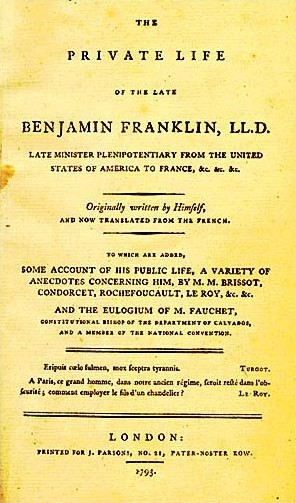
Characteristics and typical structure
Autobiographical works vary widely but often include a mix of chronology and thematic reflection. Common elements are:
- Chronological narrative: a sequence of life events presented in order.
- Reflections and interpretation: the author's perspective on why events mattered.
- Portraits of other people: descriptions of family, friends, and influential figures.
- Documents and evidence: letters, dates, and factual details that support the account.
Some writers focus on a particular period or theme (for example, childhood, career, or exile), producing a work that reads more like a connected essay than a full-life chronicle.
History and origins
The practice of writing one’s own life has ancient roots in many cultures, and examples appear in religious, philosophical, and literary traditions. Christian, Islamic, Confucian, and other records contain personal testimonies that resemble autobiographical material. The specific modern term draws on Greek roots — auto (self), bio (life), graph (write) — while the literary genre evolved further during the early modern and modern periods as literacy and print culture expanded. Classic early examples frequently mentioned in surveys of literature include reflective spiritual confessions and the memoirs of public figures.
Uses and importance
Autobiographies serve several purposes. They preserve first-person testimony for historians and researchers, offer insight into social and cultural life, and provide readers with models of human experience. For the author, writing an autobiography can be a way to make sense of a life, shape public memory, or claim authority over one’s story. In education and therapy, narrative self-accounting is also used to foster self-understanding.
Forms and distinctions
Closely related genres include memoirs, diaries, and life histories. A memoir typically centers on a specific theme or period and emphasizes memory and impression rather than comprehensive chronology. A biography relies on external research and distance. Genres overlap, and authors often blend factual reporting with literary techniques, making assessments of accuracy and intent part of critical reading.
For further reading on formats and notable examples, see introductions to autobiographical studies and genre guides: biography resources, writing guides for authors, and overviews in literary surveys at literature portals and historical bibliographies: etymology and terminology.
Related articles
Author
AlegsaOnline.com Autobiography: Definition, History, Structure, and Uses Leandro Alegsa
URL: https://en.alegsaonline.com/art/7593