
Glass rod
Cylindrical glass tool used in laboratories and education for stirring, spreading liquids, electrostatic demonstrations and delicate manipulations; chosen for chemical resistance and optical clarity.
Overview
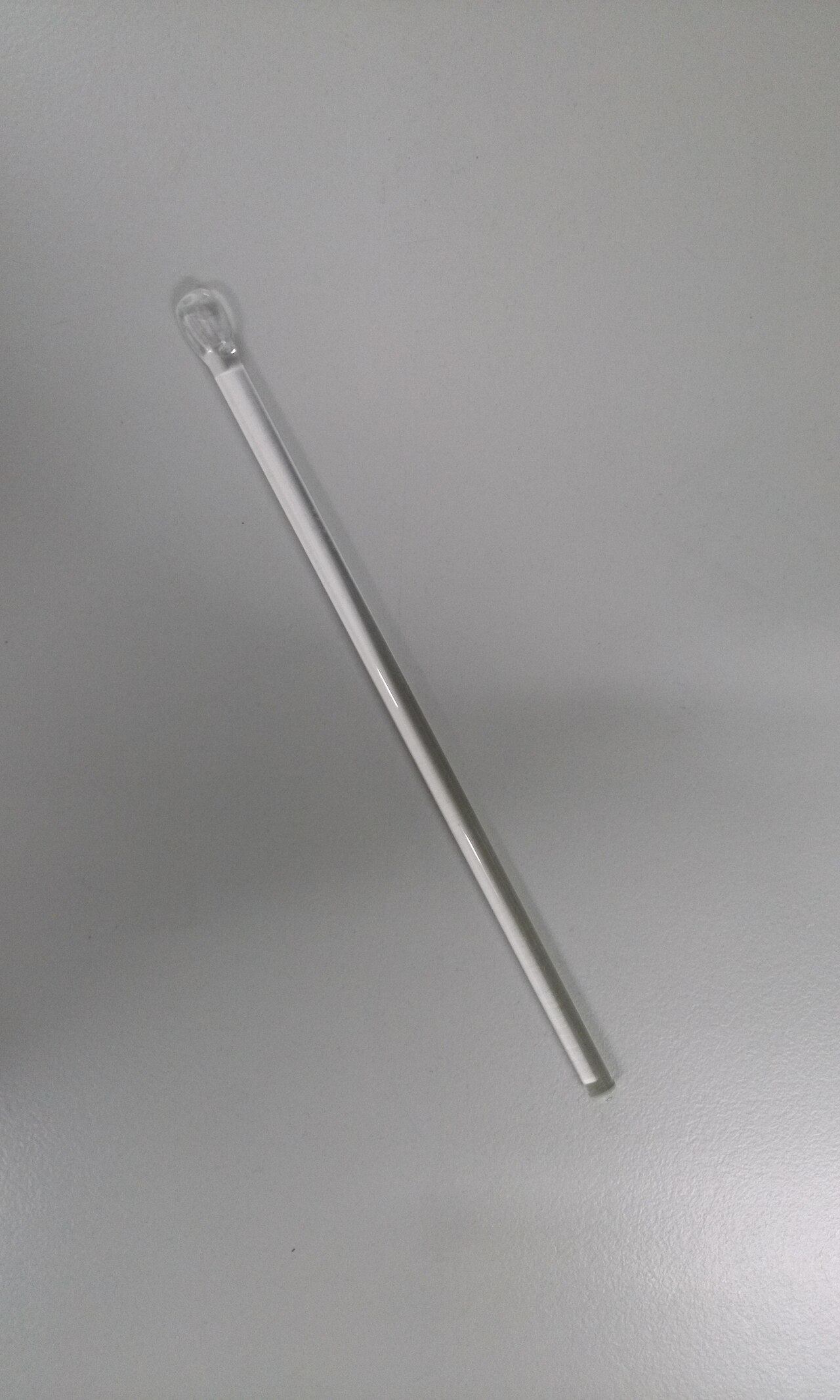
A glass rod is a straight, cylindrical implement made of glass used widely in scientific, educational and craft contexts. In many laboratory settings it serves as a simple tool for stirring, guiding liquids and applying small volumes to surfaces. Its transparency, smooth surface and relative chemical resistance make it a convenient, reusable implement for handling reagents and performing routine bench tasks where contamination, solvent compatibility or optical clarity matter.
Image gallery
2 Images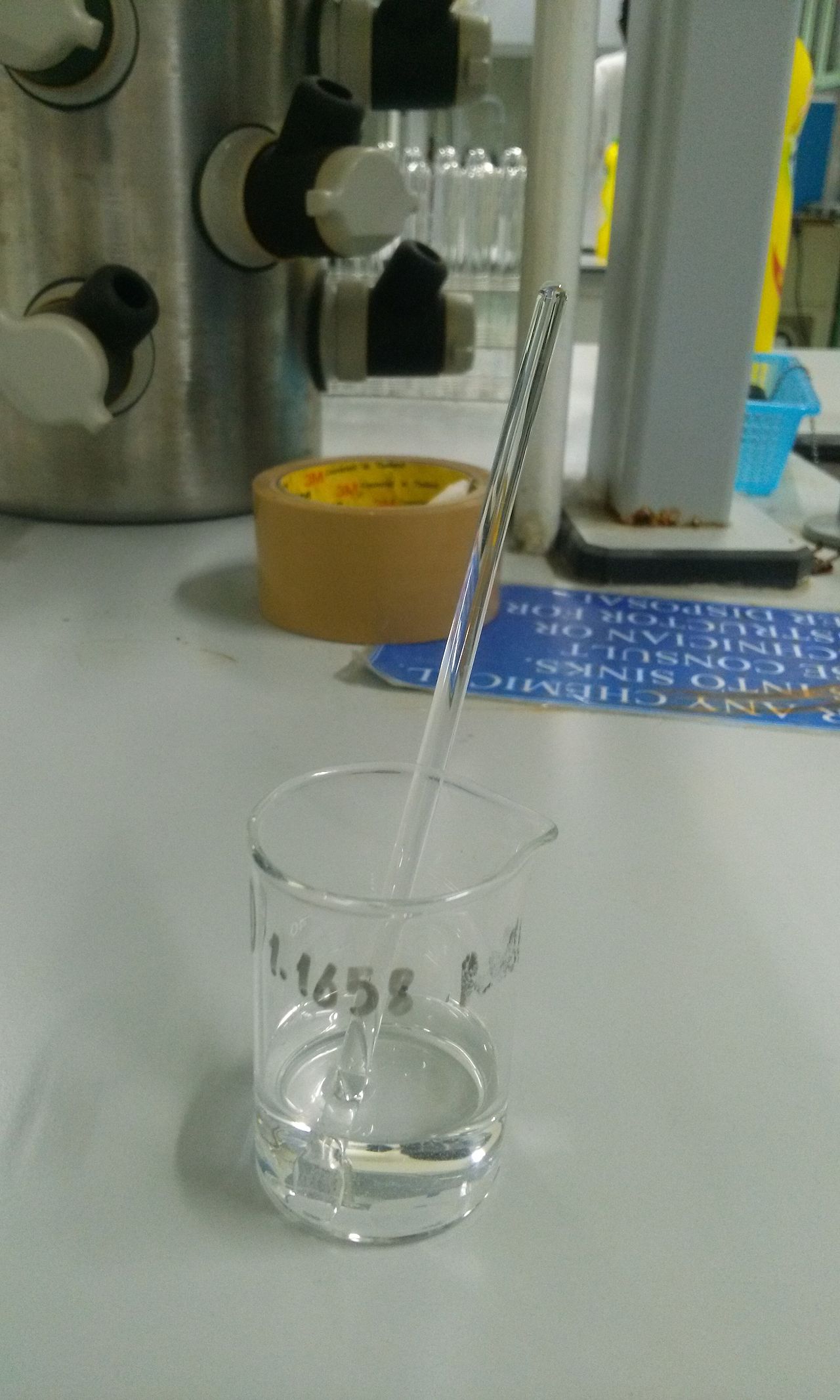
Characteristics, materials and manufacture
Glass rods are typically drawn or extruded and then annealed to reduce internal stresses. Two common glass types are borosilicate (valued for heat and chemical resistance) and soda-lime glass (more economical for general use). Surface finishing and polishing are applied to produce a smooth, non-porous surface that will not scratch delicate substrates. Manufacturers often offer rods in different diameters and lengths to suit specific needs.
Sizes and typical forms
Standard diameters are small and convenient for hand use; many suppliers list rods in 3 mm, 6 mm and 10 mm diameters, with lengths ranging from a few centimetres up to 30 cm or more. Thicker rods offer greater rigidity for spreading or guiding liquids, while thin rods are useful for stirring small volumes or reaching into narrow vessels.
Uses and practical examples
Common laboratory uses include stirring solutions, directing the flow of a liquid while decanting, and spreading small amounts of fluid evenly across a surface. For example, a glass rod is often used to coat microscope slides or distribute a sample before observation under a microscope; see spreading liquids and microscopy references for context. In teaching, rods rubbed with silk or fur illustrate electrostatic principles; historical demonstrations used silk and fur to charge glass rods and show attraction and repulsion.
Care, cleaning and sterilization
Because glass is inert with many reagents, rods can be cleaned and reused. Routine cleaning involves detergent, rinsing and drying. For biological or sterile work, borosilicate rods may be autoclaved; for chemical residues, immersion in appropriate solvents or acid baths followed by thorough rinsing is common practice. Users should avoid sudden temperature changes that can cause thermal shock and breakage.
Safety, storage and disposal
Glass rods can break or chip; sharp fragments are a laceration hazard. Handle with care, store in protective racks or sleeves, and dispose of broken glass in designated sharps containers per local safety guidance. When working with hazardous chemicals, wear eye protection and gloves and decontaminate rods before reuse.
Alternatives and related tools
Alternatives include plastic stirring rods, disposable wooden sticks, and magnetic stir bars used with stir plates. Plastic rods resist breakage but may absorb organics or deform at elevated temperatures. Magnetic stir bars are preferred for continuous mechanical stirring of larger volumes without manual intervention. Choice depends on chemical compatibility, temperature, cleanliness and the need for optical transparency.
For further technical details on glass formulations and historical demonstrations consult general laboratory technique sources or manufacturer datasheets; introductory resources often cover the uses and handling of glass rods in practical laboratory work and classroom demonstrations (materials).
Related articles
Author
AlegsaOnline.com Glass rod Leandro Alegsa
URL: https://en.alegsaonline.com/art/39124