
Edmontosaurus — Late Cretaceous duck‑billed hadrosaur
Edmontosaurus is a well‑known North American hadrosaur from the latest Cretaceous, noted for its broad toothless beak, massive dental batteries, frequent fossils and rare mummified skin and soft‑tissue remains.
Overview
Edmontosaurus is a genus of large herbivorous hadrosaurid (duck‑billed) dinosaur that lived during the latest Cretaceous. It is among the best represented North American hadrosaurs, known from numerous skeletons, several large bonebeds and a few exceptionally preserved specimens that include impressions of skin and soft tissues. The genus is closely associated with deposits of the Late Cretaceous and has been central to studies of hadrosaur ecology, growth and behavior.
Image gallery
10 Images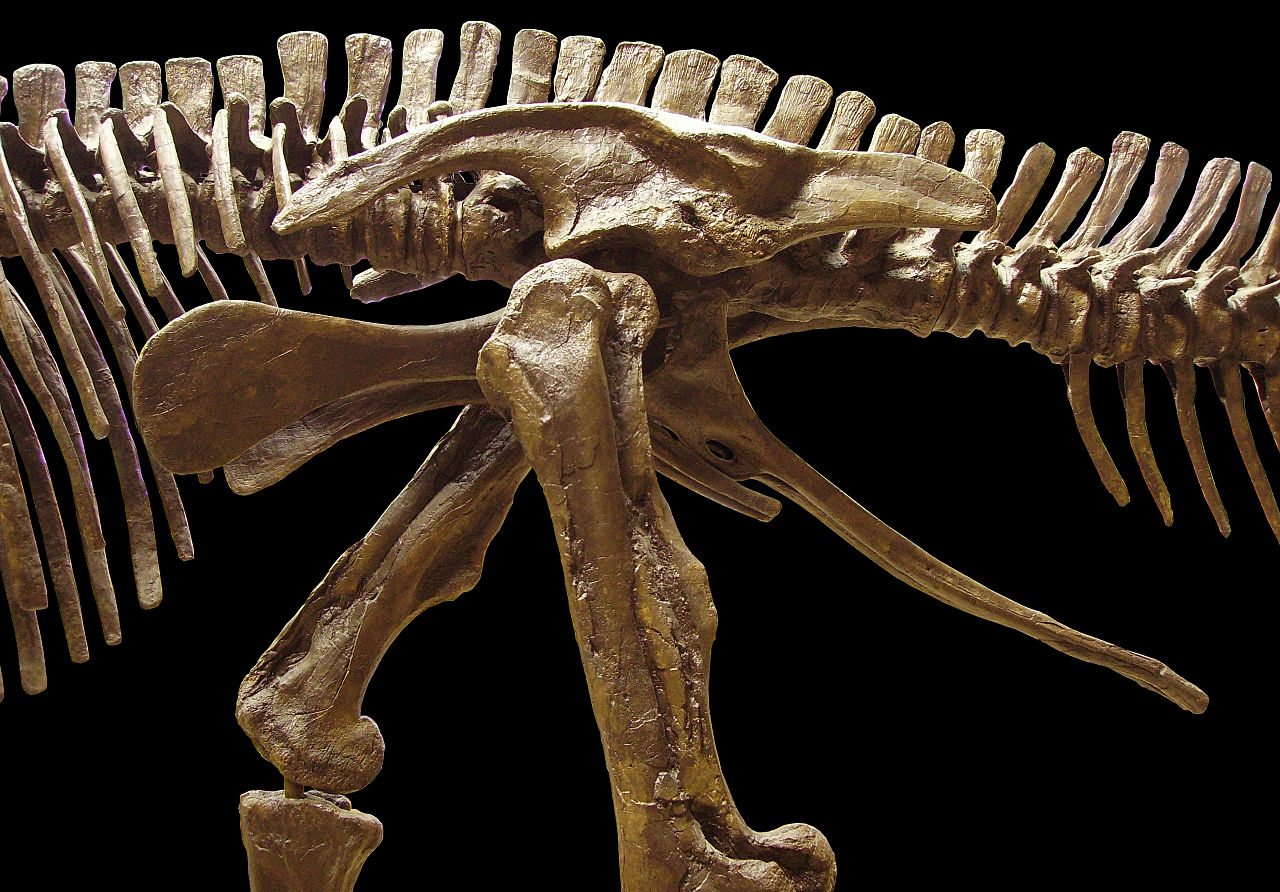



Anatomy and feeding
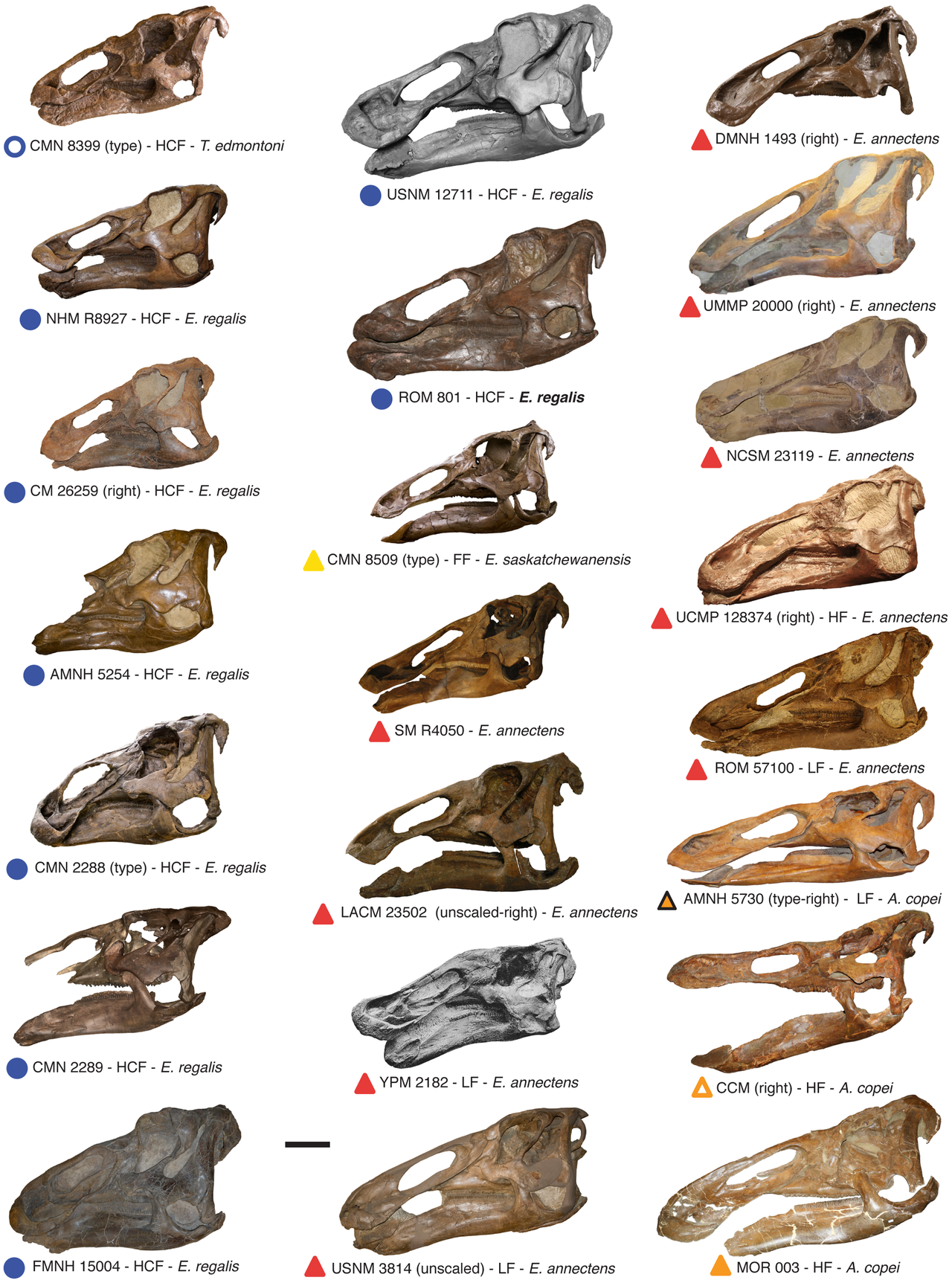
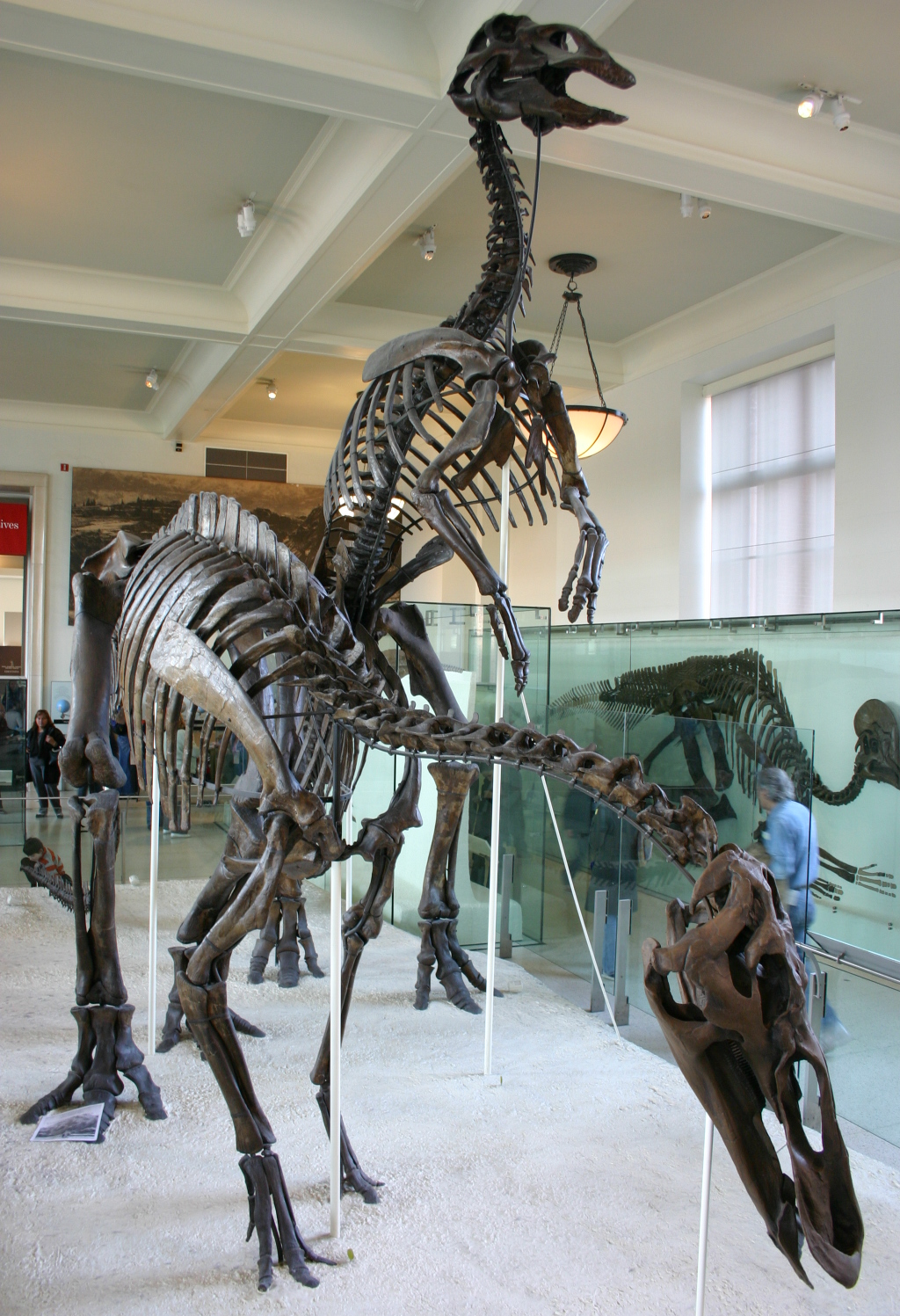
Edmontosaurus combined a broad, toothless beak ideal for cropping vegetation with tightly packed rows of replacement teeth forming a grinding dental battery. The jaws and cheeks formed wide feeding surfaces that enabled efficient processing of fibrous plants. The skull is relatively flat and sloping in profile. Limbs indicate facultative quadrupedality: the animal could walk on all fours while foraging and adopt a bipedal stance for fast locomotion. Forelimbs show reduced digits arranged in a compact, columnar hand, while the hind feet bore three weight‑bearing toes with hoof‑like tips. A long, muscular tail probably helped balance the body during movement and may have been held stiff by tendons.
Skin, soft tissues and mummified specimens
Exceptional preservation in a few specimens provides impressions of skin scales and, in two famous finds, parts of the outer skin and musculature. These "mummified" specimens, found in the western United States, preserve scale patterns and allowed paleontologists to refine reconstructions of external anatomy. The soft‑tissue evidence also helped clarify how musculature attached to the skeleton and how the neck and tail were carried in life.
Discovery and taxonomy
The genus was named from material discovered in the Horseshoe Canyon Formation of Alberta. Over more than a century of study, many specimens from across the continent have been referred to Edmontosaurus. Several historical names, including Anatotitan, have at times been used for similar material; subsequent revisions have often treated those names as synonyms or variants. Current treatments generally recognize a small number of valid species, but the exact number and relationships remain subjects of ongoing research and revision (taxonomic overview).
Fossil record and geographic range
Fossils of Edmontosaurus have been recovered across a wide area of western and eastern North America. Important occurrences include finds in Alaska, Wyoming, Montana and even New Jersey, reflecting a broad geographic range within the modern United States and adjacent Canadian provinces. Multiple large bonebeds preserve dozens of individuals together, offering material for studies of growth series, population structure and paleopathology.
Paleoecology and behavior
Associated sediments and the occurrence of Edmontosaurus in lowland and nearshore deposits indicate a preference for coastal plains, floodplains and estuarine environments rather than upland habitats. The broad beak and dental battery suggest grazing or low‑level browsing on diverse Cretaceous flora such as ferns, conifers and flowering plants. Bonebeds and population studies imply gregarious behavior, and isotopic or growth data from some specimens have been interpreted as possible evidence for seasonal movements or migrations in search of resources (preferred habitats).
Growth, variation and pathologies
Because of its abundant fossil record, Edmontosaurus is important for studying growth and ontogeny in hadrosaurs. Juvenile, subadult and adult specimens show changes in proportions and skull shape during growth. Preservation of multiple individuals has also revealed healed injuries and bone pathologies that inform life history, predator interactions and disease in extinct animals.
Scientific importance and public interest
- Edmontosaurus is among the best documented hadrosaurs, notable for complete skeletons and rare soft‑tissue preservation that improve reconstructions.
- Its fossils have contributed to understanding herd behavior, feeding mechanics and the diversity of Late Cretaceous coastal ecosystems.
- Mummified specimens and articulated skeletons are important exhibits in museums and continue to attract public and scientific interest.
Ongoing fieldwork, improved dating and new analytical techniques continue to refine our knowledge of Edmontosaurus, its species limits and its role in ecosystems very near the end of the age of dinosaurs.
Tags
Related articles
Author
AlegsaOnline.com Edmontosaurus — Late Cretaceous duck‑billed hadrosaur Leandro Alegsa
URL: https://en.alegsaonline.com/art/3808