
Gas station (filling station)
Facility that dispenses vehicle fuels and related products, with pumps, storage, a kiosk and services; covers fuel types, layout, history, safety and modern trends.
Overview
A gas station, also called a filling station or service station, is a commercial facility that sells fuel and other products for motor vehicles. Typical offerings include liquid fuels such as petrol (gasoline) and diesel as well as alternative fuels and vehicle services. Stations combine outdoor pump islands, underground storage and an onsite building for sales and customer service; they operate under a range of ownership and branding arrangements.
Image gallery
10 Images


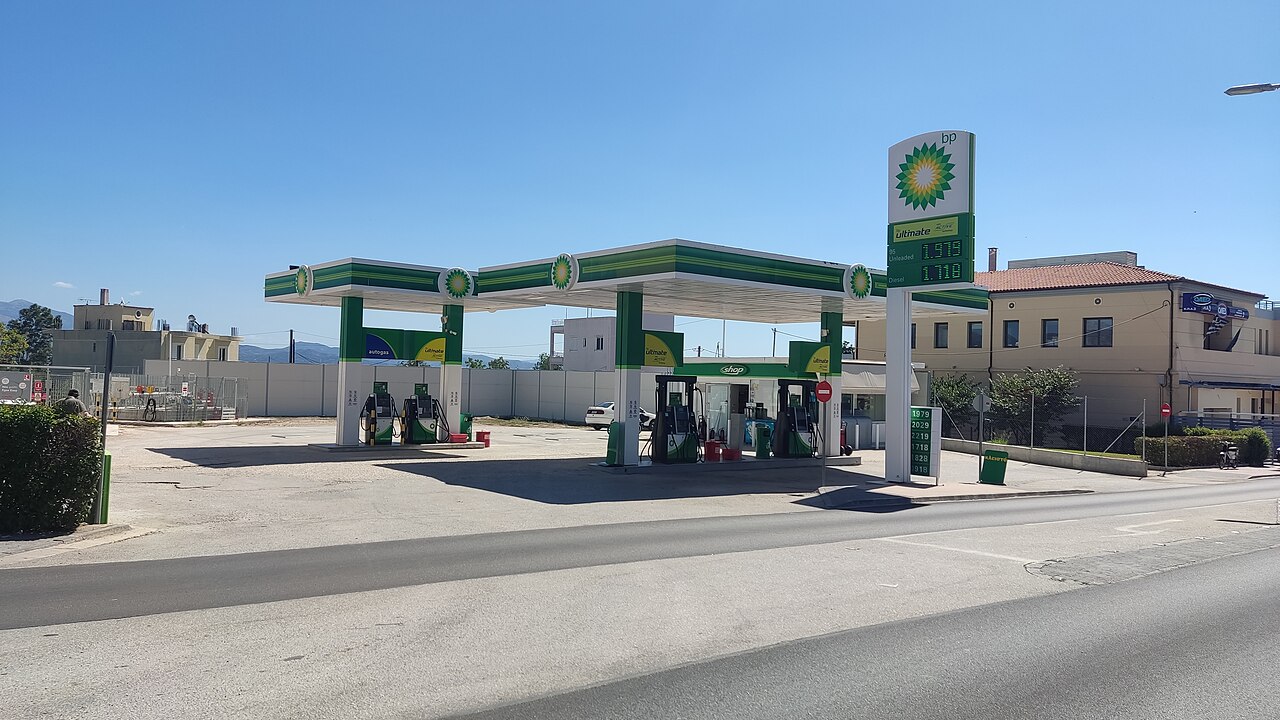


Common fuels and equipment
Most stations dispense conventional motor fuels from pumps that draw product from underground storage tanks. Common fuel types include:
- Gasoline (petrol) and its seasonal or blended grades
- Diesel fuel
- Compressed natural gas (CNG) and liquefied petroleum gas (LPG)
- Alcohol blends and ethanol-based fuels
- Biofuels such as biodiesel and biobutanol
- Emerging fuels: hydrogen (LH2/CGH2) and electricity via EV charging
For technical and regulatory information about fuels in general see types of fuel and for environmental topics consult resources on biogas and renewable fuels. A station’s forecourt typically contains dispensers, hoses, payment terminals and safety signage.
Layout, services and retail
Typical station components include a canopy over the pumps, underground storage tanks, dispenser islands and a kiosk or convenience store. Many locations add a convenience store, air and water stations, light vehicle servicing, and automatic or tunnel car wash facilities. Payment options range from full-service attendants to self-service pay-at-pump systems and mobile payments.
History, regulation and safety
Gas stations evolved from general stores and kerosene sellers to purpose-built sites as automobile use expanded in the early 20th century. Modern operations are tightly regulated: underground storage tank standards, vapor recovery, spill prevention, fire protection and groundwater monitoring are common legal requirements. Environmental cleanup of leaking tanks has been a major public policy issue in many countries.
Business models and trends
Ownership models include company-operated sites, branded dealers and independent outlets. Revenue comes from fuel margins, convenience retail, auto services and non-fuel sales. Recent trends include adding electric vehicle chargers, alternative fuel dispensers and digitized loyalty and pricing systems to adapt to changing vehicle fleets and consumer habits. For basic industry definitions see fuel and lubricant retailing.
Notable distinctions
Terminology varies by region: "gas station" is common in North America while "petrol station" or "petrol pump" is preferred in other English-speaking countries. Stations differ widely in size and services, from small rural pumps to large highway complexes offering multiple fuel choices and full-service amenities.
Related articles
Author
AlegsaOnline.com Gas station (filling station) Leandro Alegsa
URL: https://en.alegsaonline.com/art/37668