
Car wash: methods, equipment, chemicals, and environmental practices
Comprehensive overview of car washes: types, equipment, cleaning agents, water reuse, detailing, and regulatory and environmental issues affecting modern vehicle cleaning facilities.
A car wash is a facility or service designed to clean the exterior and often the interior of motor vehicles. Services range from simple coin-operated bays where drivers wash their own cars to fully automated lines that move the vehicle through a sequence of cleaning stages. For a basic definition and common uses see more about car washes.
Image gallery
10 Images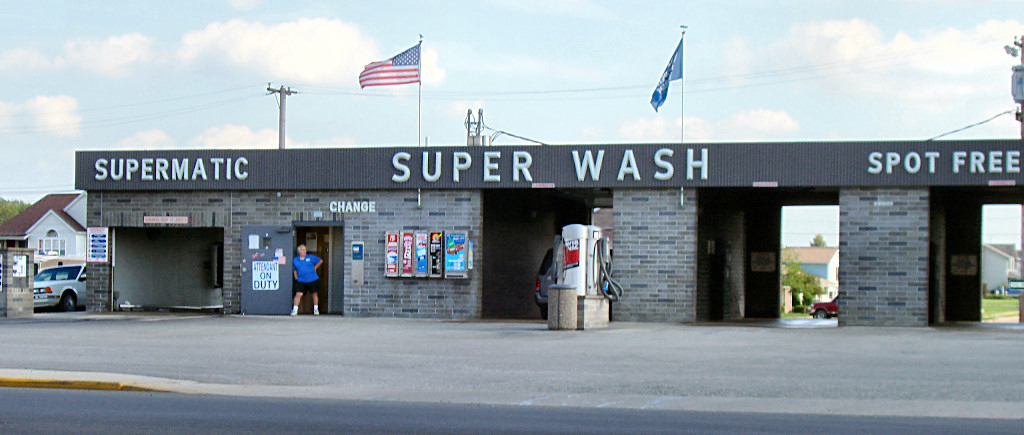




Common types and how they work
Car washes are commonly grouped by how much of the process is automated and where the work occurs. Typical categories include:
- Self-service bays: Drivers use a pressure wand, brushes, and dispensing stations for detergents; payment is usually coin- or card-operated.
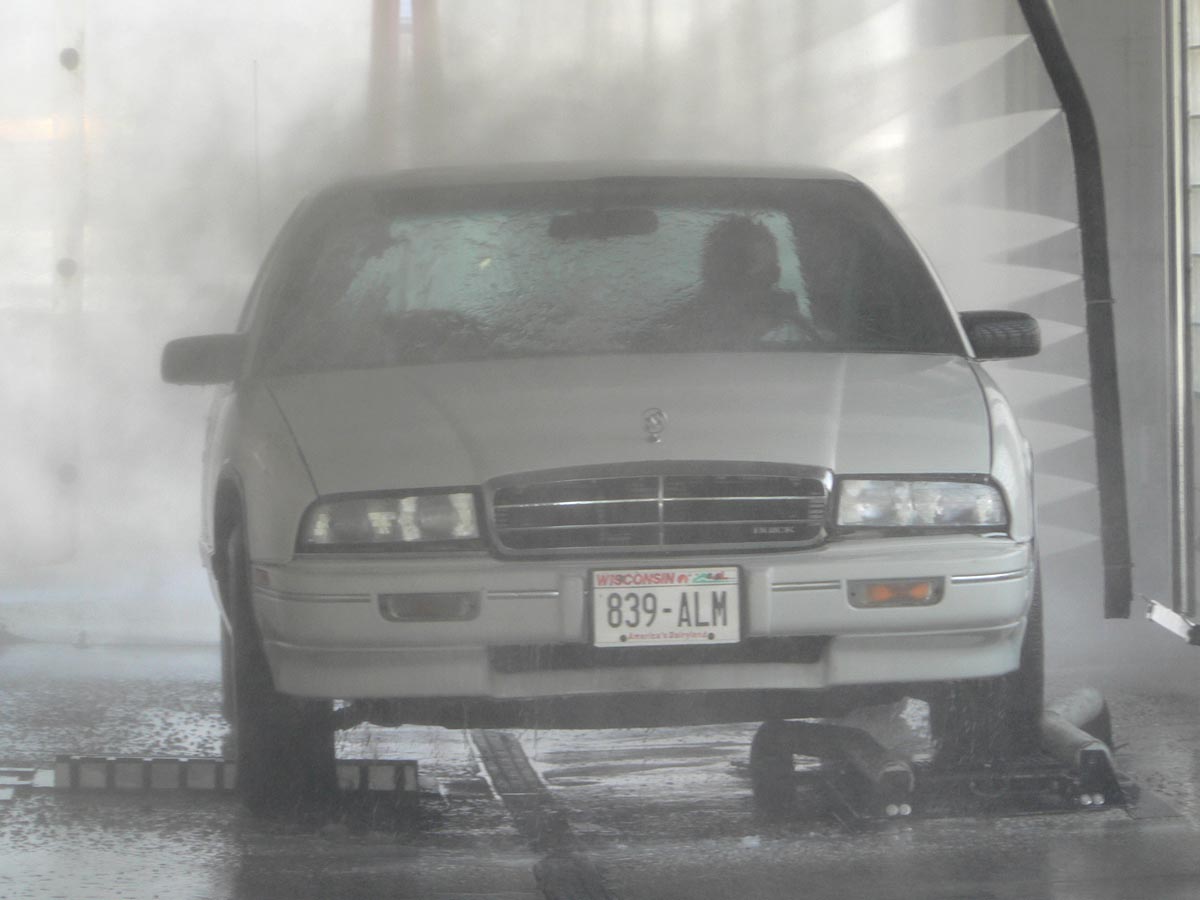
- In-bay automatics: A machine mounted near or over the vehicle moves back and forth while the car remains stationary.
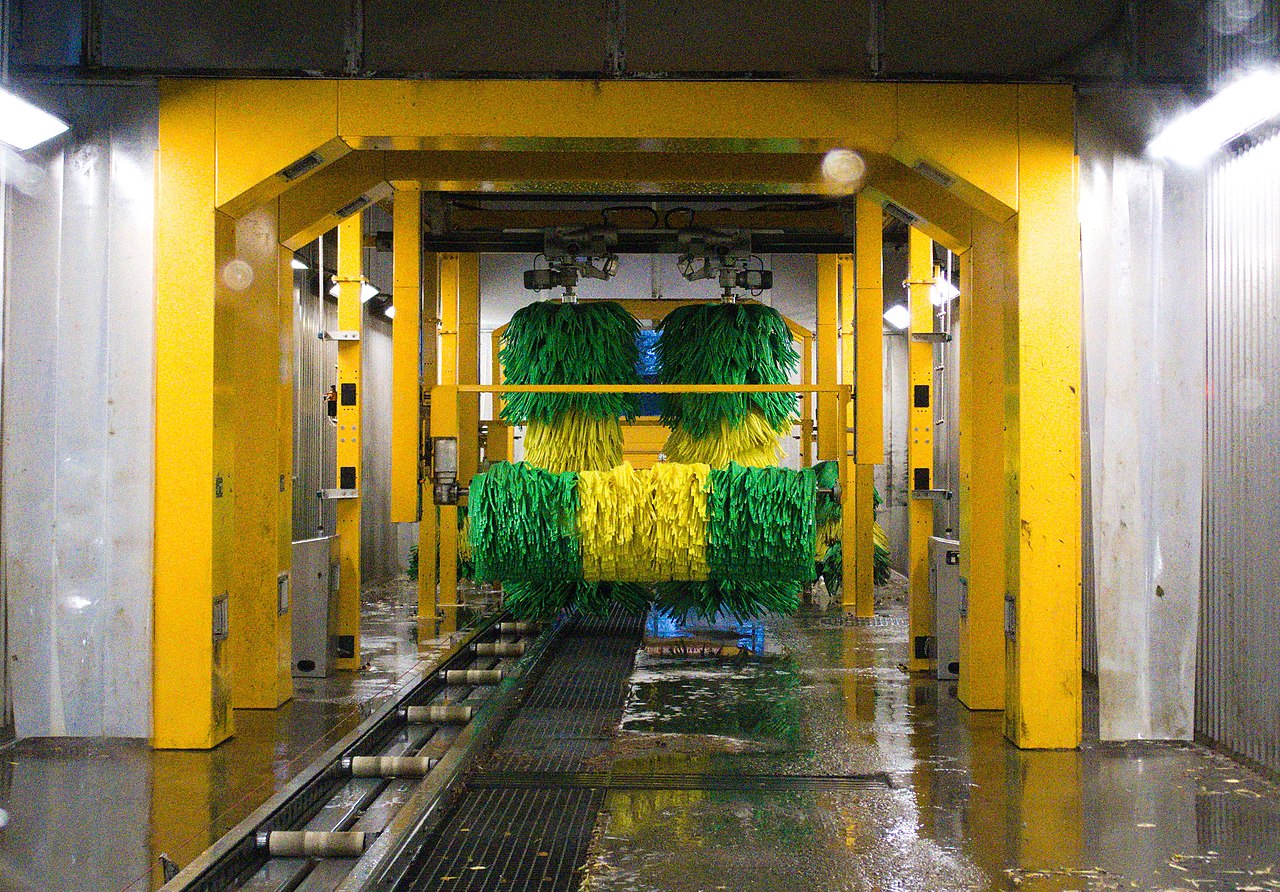
- Tunnel washes: Vehicles are conveyed through a long sequence of dedicated machines for pre-soak, wash, rinse, drying and sometimes waxing.
- Touchless or brushless systems: Rely on high-pressure sprays and chemical action rather than contact brushes; these can protect delicate finishes and are illustrated here:
.
- Mobile and detailing services: Technicians visit the vehicle location to perform hand washes, interior cleaning, polishing, and protective treatments.
 .
.
Equipment, soaps and foams
Modern car wash chemicals are formulated to remove dirt, grease, and road film while minimizing harm to paint and trim. Contemporary cleaners tend to use milder acids and alkalies compared with some early formulations; historically hazardous substances such as hydrofluoric acid were used in a few specialized applications but are now largely avoided or strictly controlled because of their toxicity and corrosiveness (see safety notes at chemical hazards). Foams and polishes come in a variety of formulations: some are designed to aid rinsing and drying, others to impart wax-like protection. For a basic comparison of foam types and their effects see foam and polish types and wax versus polymer finishes.
Water management and environmental considerations
Because washing a vehicle uses significant water and produces wastewater that may contain detergents, oils, and heavy metals, many jurisdictions require car wash operators to capture, treat, and sometimes recycle wash water. Treatment often includes sediment traps, oil-water separators, filtration, and biological or chemical processing before reuse or release. Reusing water conserves resources and reduces the discharge of contaminants to storm drains, which in many places is regulated by municipal or state law.
Interior cleaning and detailing
Beyond exterior washing, many facilities offer interior vacuuming, upholstery shampooing, leather conditioning, odor removal, window cleaning, and trim dressing. Detailing describes a more thorough service that may include clay-bar decontamination, paint polishing, and application of long-lasting protective coatings. Mobile detailers can deliver these services at a customer's home or workplace.
Choosing a car wash and notable distinctions
Selection depends on budget, vehicle type, finish sensitivity, and environmental priorities. Hand washing or touchless systems can be gentler on delicate finishes, while full-service or tunnel washes offer speed and convenience. Professional detailers focus on restoring gloss and protecting paint, whereas basic washes focus on dirt removal. Understanding local regulations, water reuse practices, and the kinds of cleaning agents used can help consumers make informed choices that balance appearance, cost, vehicle care, and environmental impact.
For practical comparisons, maintenance tips, and more on environmental standards consult local guidelines or specialist resources: industry overview, safety and chemicals, product types, and coating and wax options.


Gantry Wash
In a gantry car wash, the customer must drive in with the vehicle and usually leave it. The cleaning brushes move independently around and over the vehicle. The customer can often select the desired cleaning program in self-service mode after inserting punch cards, magnetic cards, chip cards or tokens. Alternatively, in other systems, the wash program is already stored on the card, or a previously purchased, one-time valid combination of digits must be typed in to activate the car wash. Modern gantry car washes are mainly used for cleaning vans or trucks.
Car Wash
In a car wash, the vehicle is pulled through a kind of tunnel with the help of a conveyor belt. The washing belts are stationary and only move vertically or horizontally. In newer installations, there are linear brush portals that follow the vehicle up to 1.5 metres to ensure thorough front or rear cleaning. A car wash has a much higher capacity than a gantry car wash. One advantage of car washes is that the customer usually does not have to leave the vehicle and the wash always takes the same amount of time, regardless of the program selected.
Questions and answers
Q: What is a car wash?
A: A car wash is a place to clean the outside, and sometimes the inside, of automobiles.
Q: What are the three main types of car washes?
A: The three main groups of car washes are self-service that are usually coin-operated, In-Bay Automatics which use machines that roll back and forth over an automobile while washing it, and tunnel washes which push or pull the automobile through a line of cleaning machines that do not move.
Q: What chemicals are used in modern car washes?
A: Modern car washes typically use soaps and other milder acids and alkalies as opposed to hydrofluoric acid which is hazardous.
Q: Are there laws regarding water treatment for car washes?
A: Yes, many car washes are now required by law to treat and reuse their water.
Q: What are two types of foam used in a car wash?
A: Two types of foam used in a car wash include polish foam which is cheaper but harder to rinse, and wax foam which is more expensive but rinses well and covers the vehicle with a lighter puffier foam.
Q: How does an In-Bay Automatic work?
A: An In-Bay Automatic uses machines that roll back and forth over an automobile while washing it.
Q: Is there such thing as a touchless car wash?
A: Yes, some modern car washes offer touchless services where no physical contact between brushes or cloths occur during the cleaning process.
Related articles
Author
AlegsaOnline.com Car wash: methods, equipment, chemicals, and environmental practices Leandro Alegsa
URL: https://en.alegsaonline.com/art/16837