
Gearshift (gearstick) — lever for selecting gears in vehicles
Lever or rod used to select transmission gears in vehicles; covers manual gearshifts and automatic selectors, components, operation, history, patterns, and maintenance notes.
Overview
A gearshift, often called a gearstick or gear lever, is the driver-operated control used to select different gears in a vehicle's transmission. In simple terms it translates human input into changes in gearing so the engine and wheels operate efficiently. The gearshift is typically connected to the transmission via a mechanical linkage or cable and in automatic vehicles it is commonly referred to as a gear selector. Many sources describe the physical element as a metal rod or lever that the driver moves to engage a chosen gear: see shift rod and its link to the manual transmission.
Image gallery
10 Images



Parts and common arrangements
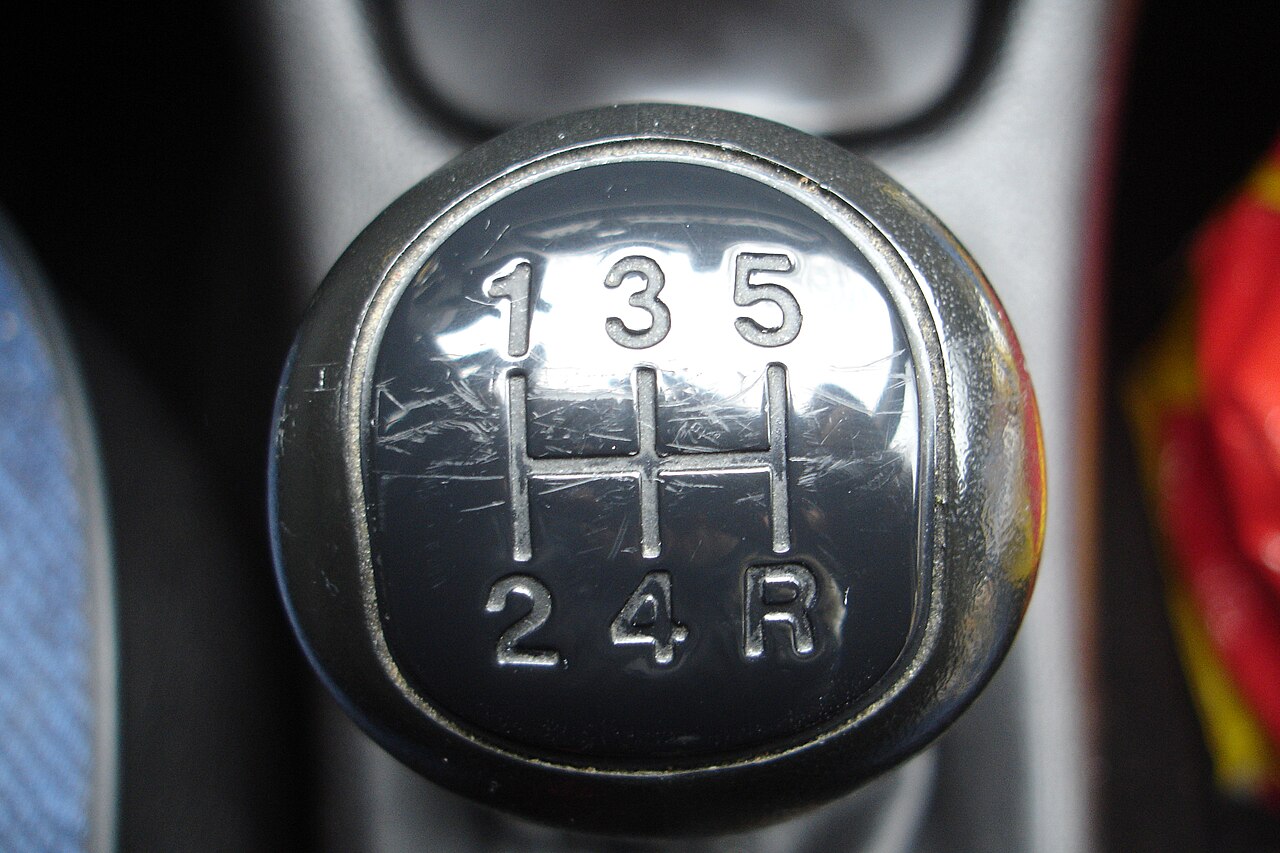
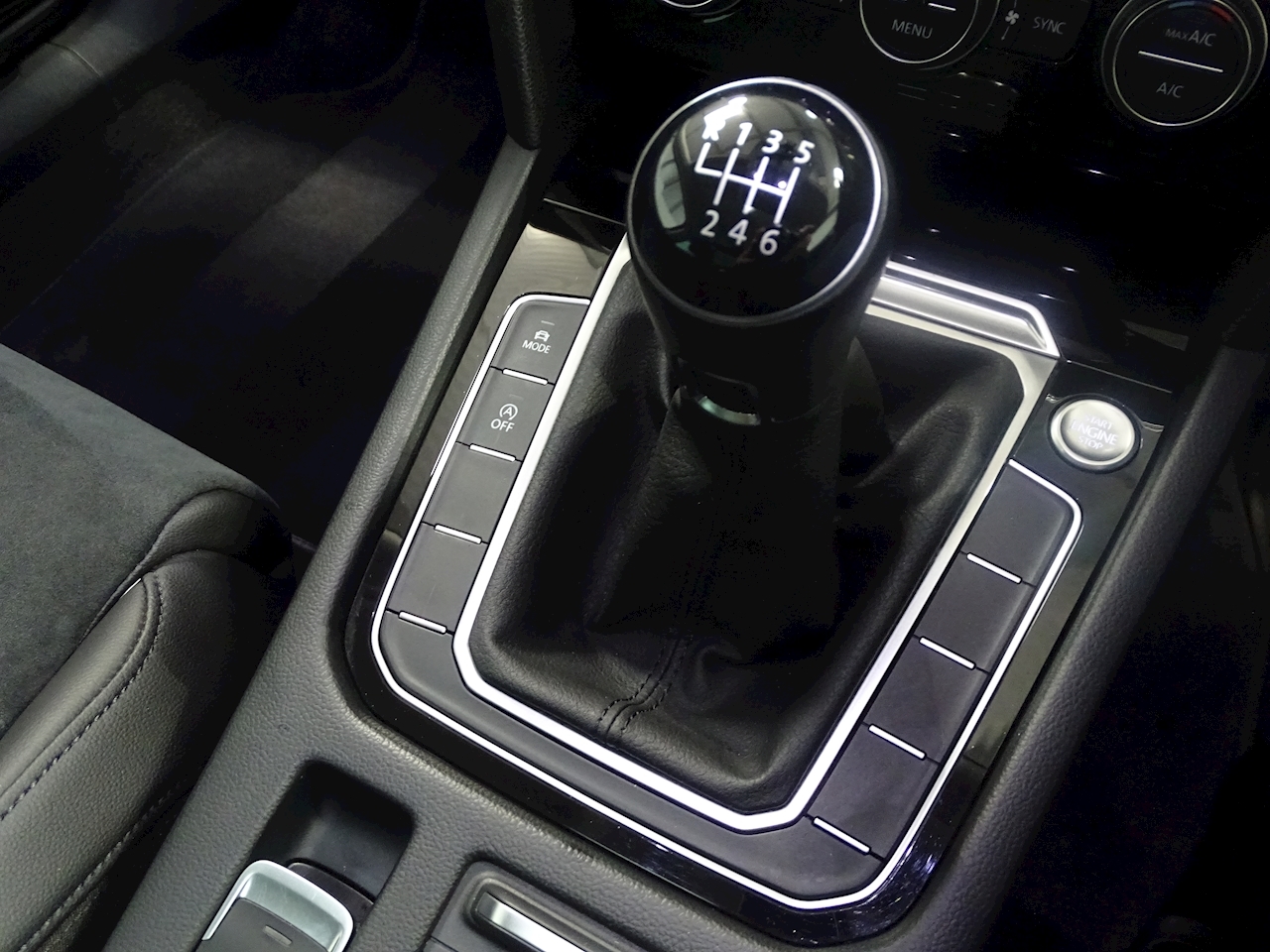
Components usually include a lever or knob, pivot mechanism, gaiter or cover, and an internal linkage to the transmission. Modern vehicles may use electronic sensors and actuators instead of a direct mechanical rod. Typical manual shift patterns are arranged in an H-pattern with reverse positioned either at one end or requiring a collar or push motion.
Operation and types
Manual gearshifts require the driver to coordinate clutch and throttle to change gears; the lever's position corresponds to discrete gear selections. Automatic selectors offer positions such as Park, Reverse, Neutral, Drive and sometimes lower gears; these often include safety interlocks to prevent accidental movement. In vehicles and discussion of driving technique, the gearshift is central to how an automobile is controlled and driven.
History and development
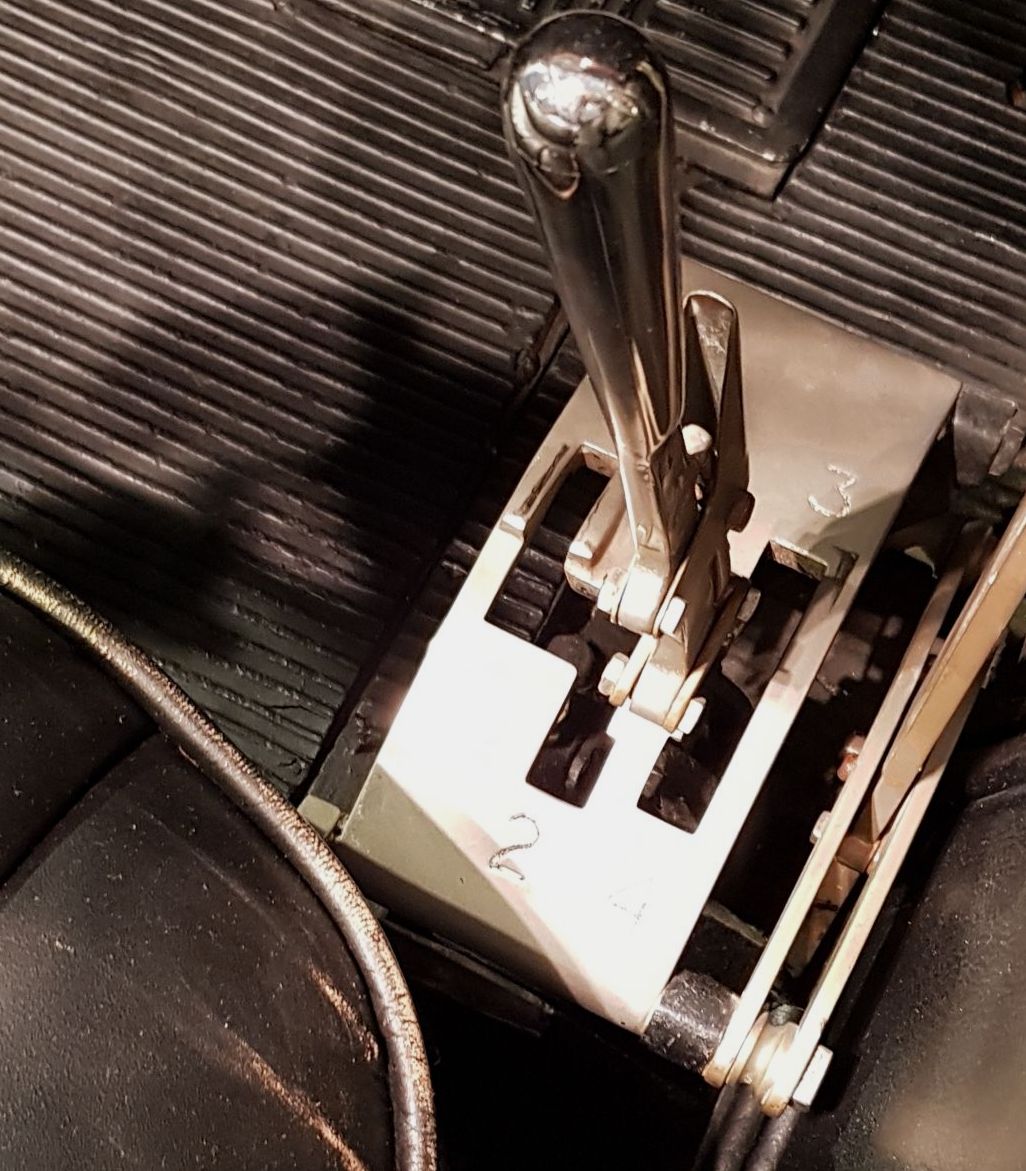
Early automobiles used sliding gearboxes with long external levers. Over time patterns standardized and mechanisms became enclosed, quieter, and safer. The later rise of synchromesh transmissions, column-mounted shifters, center console sticks, and electronic gear selectors shows an evolution from purely mechanical rods to hybrid and fully electronic systems.
Uses, examples and distinctions
Beyond selecting gears for speed and torque control, gearshifts are involved in engine braking, launching, and fuel-efficient driving. Distinctions to note: the term "gearstick" is common in British English, while "gearshift" is used in American English; an automatic's selector is functionally different from a manual's shift lever. For further technical detail about the role of the lever relative to the gearbox and the concept of a "gear" see gear.
Maintenance and notable facts
- Wear points include bushings and linkage joints; slack or imprecise shifts often mean worn parts.
- Modern vehicles may require specialized diagnostics for electronic selectors.
- Learning correct shift technique extends transmission life and improves safety.
Further reading: General guides cover patterns, safety interlocks and differences between mechanical rods and electronic selectors; technical manuals and driving instruction clarify safe use.
Related articles
Author
AlegsaOnline.com Gearshift (gearstick) — lever for selecting gears in vehicles Leandro Alegsa
URL: https://en.alegsaonline.com/art/37813