
Convenience store: overview, products, operations and role in modern retail
A convenience store is a small retail outlet offering everyday goods and quick services with extended hours and locations near transport or neighborhoods, trading convenience for higher per-unit prices.
A convenience store is a small retail outlet that stocks a compact assortment of everyday items and offers quick transactions. Typical locations include street corners, transport hubs and places near workplaces or petrol stations. Operators focus on speed, accessibility and long opening hours rather than the wide selection or low prices found at full-size supermarkets. The term is often used interchangeably with corner store or neighborhood shop, though formats and services vary by country. For a basic definition see small store.
Image gallery
10 Images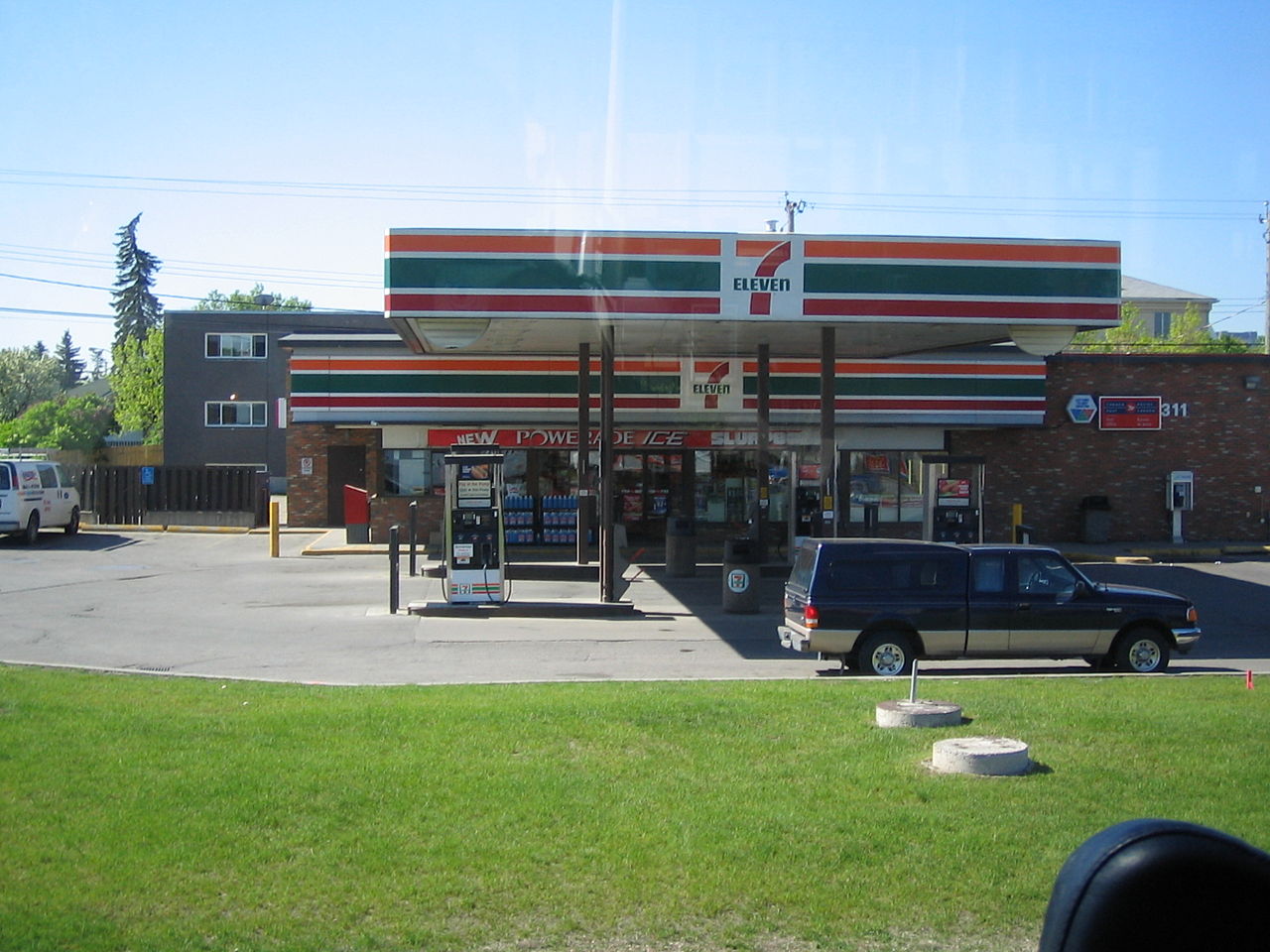


Typical goods and services
Most convenience stores carry a predictable range of products designed for immediate or impulse needs. Common categories include:
- Groceries in small quantities (bread, milk, eggs).
- Snack foods and ready-to-eat items.
- Candy and confectionery.
- Toiletries and basic personal care items.
- Soft drinks and single-serve beverages.
- Tobacco products, where local law permits.
- Newspapers and magazines.
Additional services often include bill payment, money orders, wire transfers and lottery sales. In many jurisdictions corner stores may be licensed to sell alcoholic beverages such as alcohol, particularly beer and wine. Chains and franchises may also add hot food counters, coffee, ATMs or basic automotive supplies.
Format, layout and operations
Convenience outlets are characterized by small footprints, high-visibility storefronts and point-of-sale layouts designed for fast checkouts. They reorder inventory in smaller quantities and accept a range of payment methods. Many convenience stores are co-located with fuel stations or placed alongside major thoroughfares and transport nodes to capture passing trade: for example, adjacent to a busy road, inside an urban area or near a railway or transit hub. This location strategy sacrifices economies of scale for immediate accessibility.
Origins and development
The modern convenience store evolved from older local shops and general stores. It differs from a traditional general store or village shop by serving denser population centers rather than primarily rural communities; it is not typically a rural village outlet. Over the 20th and 21st centuries, chains standardized formats, introduced franchising and expanded opening hours, with some outlets operating 24 hours to meet changing consumer lifestyles.
Economic role and notable features
Convenience stores generally charge higher per-unit prices than supermarkets (supermarkets) because they buy in smaller lots and incur higher costs per transaction. Despite higher prices, they have gained market share (market share) by catering to time-pressed shoppers and offering immediate availability. Their importance is highest for single-item purchases, late-night needs, and quick-service food. They also act as micro-distribution points in dense urban networks and can be critical in communities lacking other retail options.
Distinguishing features: convenience stores prioritize location and hours, keep a limited but essential assortment, and often combine retail with services such as payments and fuel. While small, they are a resilient part of the retail mix, adapting to delivery trends, in-store foodservice and changing regulation on items like tobacco and alcohol.
Author
AlegsaOnline.com Convenience store: overview, products, operations and role in modern retail Leandro Alegsa
URL: https://en.alegsaonline.com/art/22819
Sources
- commons.wikimedia.org : Convenience stores
- sbdcnet.org : "4 Tips for Convenience Store Owners"
- uta.edu : "The Price of Convenience, A Comparison of Convenient Store and Supermarket Prices"