
Glasgow Corporation Tramways: history, network, decline and legacy
A concise, balanced account of Glasgow Corporation Tramways — once one of Europe’s largest municipal tram systems — its vehicles, expansion, decline by 1962, and later preservation and influence.
Overview
Glasgow Corporation Tramways was the municipal tram operator serving the city of Glasgow and surrounding districts. At its height it was among the largest urban tram systems in Europe, running a vast fleet of municipally owned vehicles — more than 1,000 trams — that shaped daily travel across the city. The network was electrically powered and integrated into Glasgow’s street pattern, carrying commuters, shoppers and schoolchildren for decades until the system closed in 1962.
Image gallery
7 Images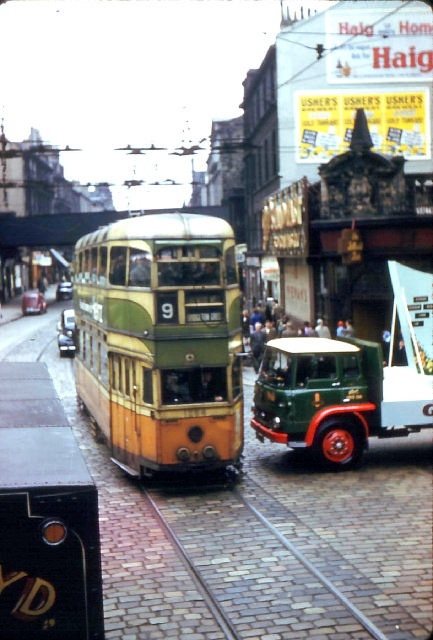



Network and equipment
The system comprised a dense web of street tramlines, depots, and workshops. Trams operated on frequent services along radial and cross-city routes, linking residential suburbs with commercial and industrial centres. Characteristics of the operation included:
- Municipal ownership and centralised scheduling and maintenance.
- Electric traction supplied through overhead wiring and conventional street-running track.
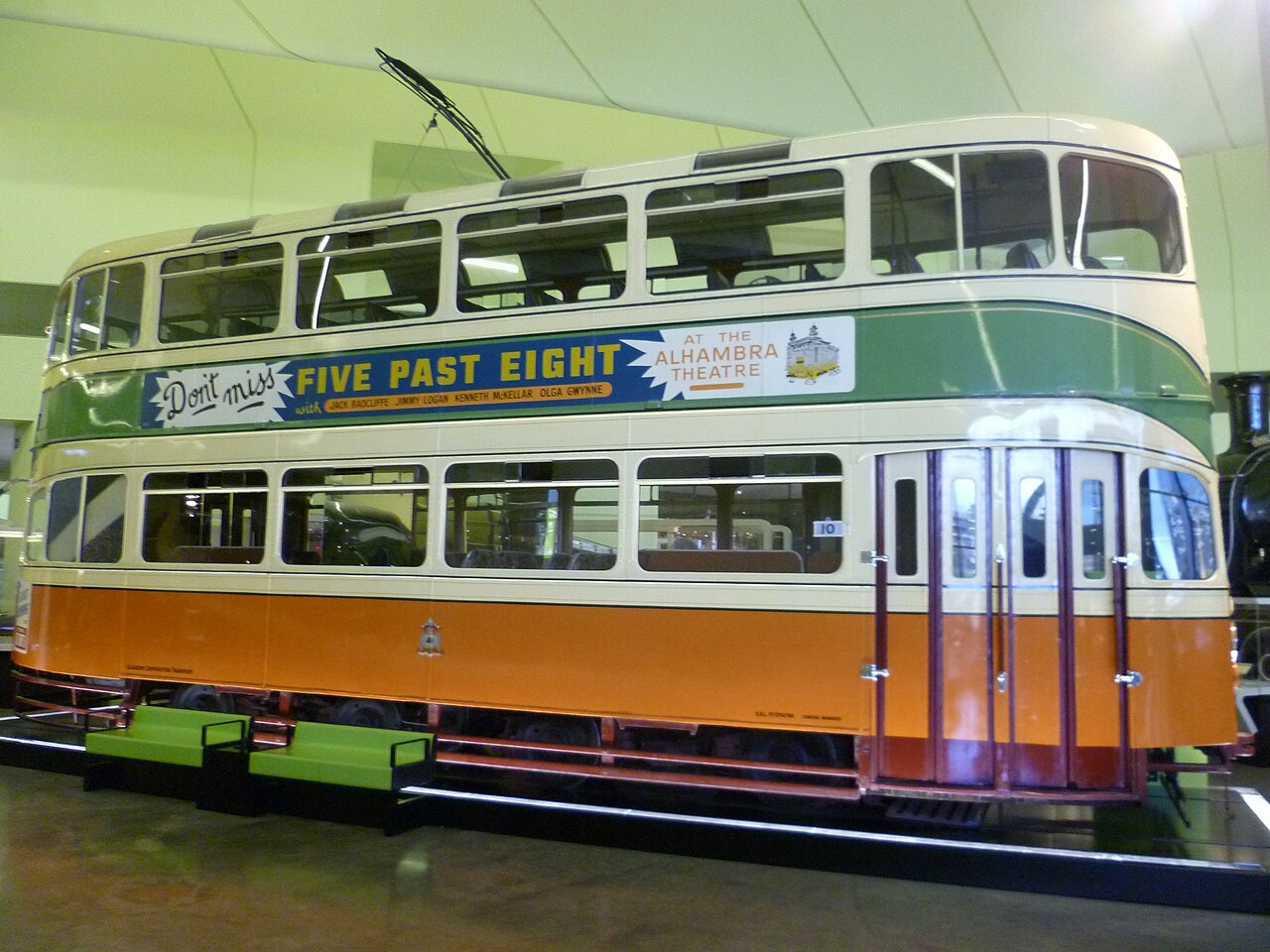
- A varied fleet of single- and double-deck cars adapted over time for passenger comfort, capacity and durability.
History and decline
The network expanded during the late 19th and early 20th centuries as tram technology matured and cities adopted electric traction. Trams played a major role in Glasgow’s urban development, enabling expansion of suburbs and providing affordable public transport. After World War II however, changing transport policy, rising private car ownership and the perceived flexibility of motor buses led municipal authorities to replace many fixed-line systems. By 1962 Glasgow’s tram network was closed, marking the end of continuous city tram operations in Great Britain until the later revival of light rail in the 1990s.
Legacy and preservation
Even after closure, the tramway left a visible imprint on Glasgow’s urban form and collective memory. A number of vehicles and artifacts were retained by museums and heritage organisations; surviving cars appear in transport exhibits and on heritage lines, helping interpret the social and technological history of urban transit. The Riverside Museum and other local collections preserve examples and documentation of the tramway era.
Notable facts and influence
Glasgow Corporation Tramways is often cited as a major example of early 20th-century municipal transport provision in Scotland. Its scale, public ownership and eventual dismantling illustrate wider trends in transport policy and urban change across British cities in the mid-20th century. Elements of tramway preservation and contemporary tramway revival movements draw on this legacy to inform modern light-rail projects and heritage initiatives.
Related articles
Author
AlegsaOnline.com Glasgow Corporation Tramways: history, network, decline and legacy Leandro Alegsa
URL: https://en.alegsaonline.com/art/39110