
Game pie: ingredients, history, and notable varieties
A savory pastry filled with wild birds and mammals, game pie has ancient roots and regional varieties. This article explains ingredients, preparation methods, historical development and well‑known examples.
Overview
A game pie is a savory meat pie prepared primarily from game — that is, wild birds and mammals hunted for food. Versions of pies filled with wild meat have been recorded since Roman times and appear in cookery traditions across Europe. While styles and recipes vary, the defining feature is the use of hunted species rather than domesticated livestock.
Image gallery
4 Images
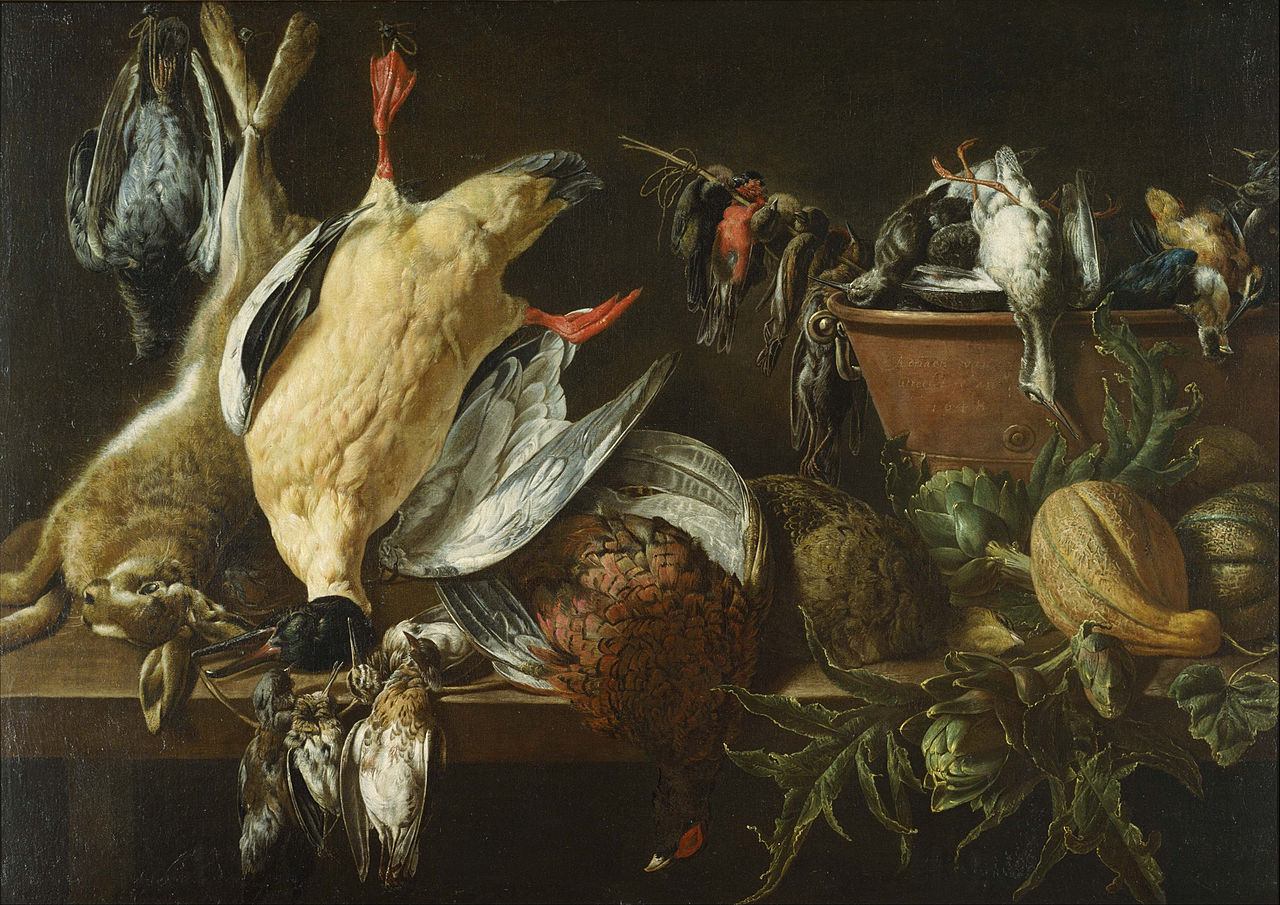

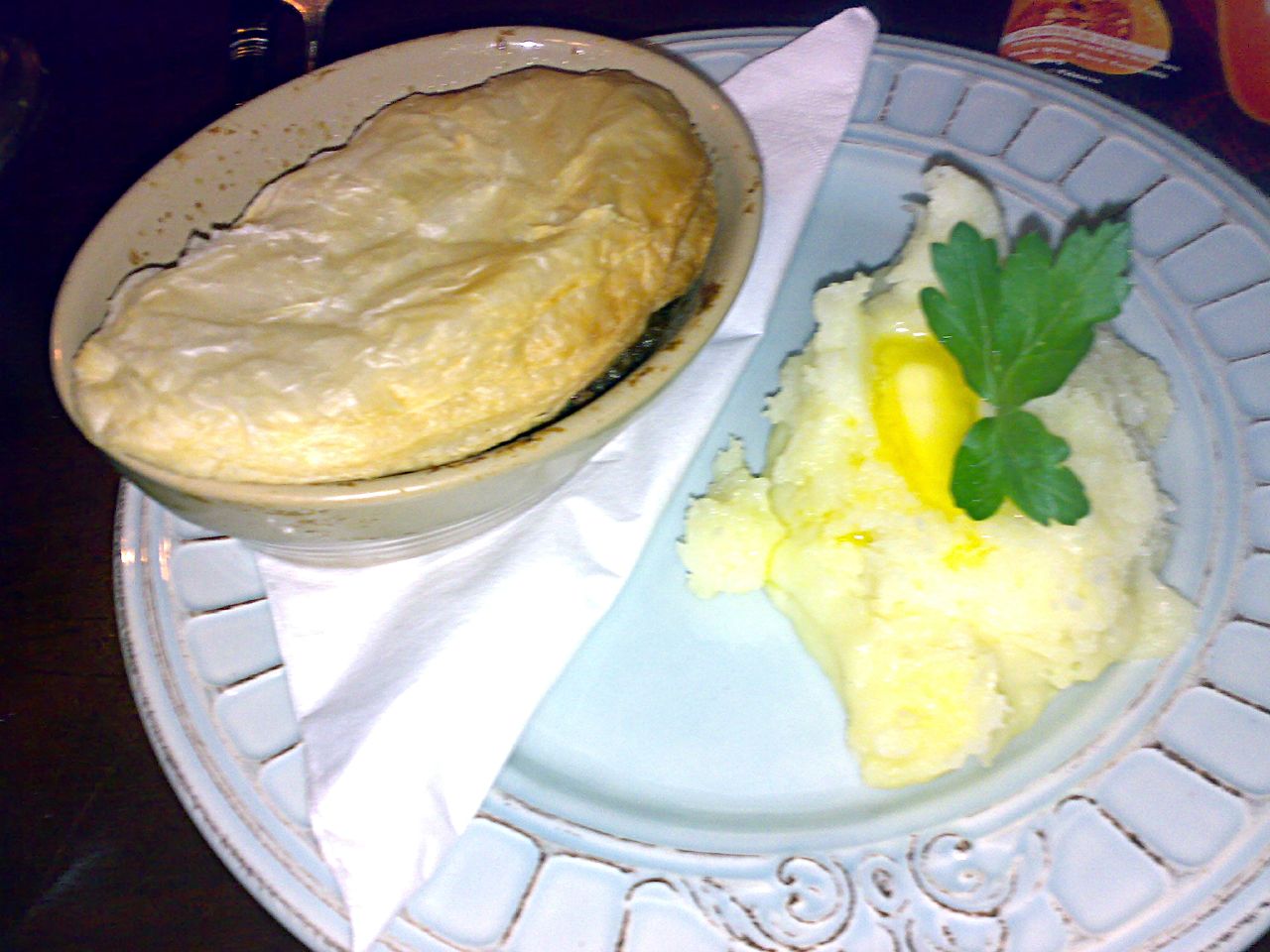
Typical ingredients and preparation
Traditional fillings often include small game birds and animals such as partridge, pheasant, deer (venison) and hare. Modern cooks also use rabbit and other game; common names appear across regional recipes. Meat is usually cut into pieces, seasoned, sometimes marinated, and cooked with aromatics and liquid before being enclosed in pastry. Different types of pastry are used: hot‑water crust or shortcrust for sturdy pies; puff pastry for more delicate presentations.
History and development
Game pies became especially elaborate in 18th‑century England, where wealthy households and inns displayed complex recipes and ornate moulding to impress guests. Cooks developed specialized moulds and presentation dishes, and pie recipes could include multiple species, rich forcemeats and gelatin to set the filling. Over time, most domestic versions simplified, but the classic, multi‑layered constructions remain part of culinary heritage.
Notable varieties and examples
Some named pies are celebrated for their complexity. The Oreiller de la Belle Aurore, for example, is an elaborate French pie that combines a variety of game birds and organs such as livers with veal, pork, truffles and aspic, all enclosed in puff pastry; it is associated with Brillat‑Savarin and his mother and is recorded in culinary references. Other traditional recipes list rabbit, venison, pigeon and pheasant as common fillings.
Common techniques, service and tastes
Preparation often balances lean game meat with fattier domestic meats or livers to avoid dryness. Chefs may add wines, stocks, mushrooms, herbs and preserved elements such as truffles for depth. Some recipes use a gelatin or aspic layer to stabilize sliced portions. Game pies are served hot or cold, sometimes with rich gravies, sauces or pickles to complement the strong flavours of wild meat.
Distinctive facts and regional role
Game pies occupy a practical and symbolic place in food culture: historically they were portable provisions for long journeys and hunts, and they evolved into status dishes for banquets. Regional variations reflect local game types and pastry traditions. Culinary historians have catalogued many named pies from particular towns, including recipes tied to places such as Brillat‑Savarin and the district once known as Belley. For further reading on historical recipes and reconstruction, see collections of period recipes and references on kitchen moulding and presentation (truffle uses and other garnishes are often discussed), as well as modern adaptations that simplify older formats while preserving traditional flavours.
Questions and answers
Q: What is game pie?
A: Game pie is a type of meat pie that is made with game, such as wild birds and animals like partridge, pheasant, deer, and hare.
Q: How long has game pie been made?
A: Game pie has been made since Roman times.
Q: What were the main ingredients in game pie during the 18th century in England?
A: The main ingredients in game pie during the 18th century in England were wild birds and animals like partridge, pheasant, deer, and hare.
Q: What is the Oreiller de la Belle Aurore?
A: The Oreiller de la Belle Aurore is an elaborate game pie named after Claudine-Aurore Récamier, the mother of Brillat-Savarin. It is made with a variety of game birds and their livers, veal, pork, truffles, aspic, and more, in puff pastry.
Q: Who was Brillat-Savarin?
A: Brillat-Savarin was a classic encyclopedia of gastronomy who wrote about food and cooking.
Q: What are some of the game meats typically included in modern versions of game pie?
A: Some of the game meats typically included in modern versions of game pie are rabbit, venison, pigeon, and pheasant.
Q: How many pies were named after people from Brillat-Savarin's home town of Belley?
A: Three pies were named after people from Brillat-Savarin's home town of Belley (later called Bugey). They were described by Lucien Tenret.
Tags
Related articles
Author
AlegsaOnline.com Game pie: ingredients, history, and notable varieties Leandro Alegsa
URL: https://en.alegsaonline.com/art/37395
Sources
- independent.co.uk : Game pie