
Squirrels: Overview, types, behavior, and interactions
A concise encyclopedia entry on squirrels (family Sciuridae): their biology, major groups, diet, distribution, predators, relationships with humans, and conservation notes.
Overview
Squirrels are small to medium-sized mammals of the family Sciuridae, a diverse branch of rodents. They are common across much of the world: many species are native to the Americas, Eurasia and Africa, and some have been introduced to places such as Australia. Fossils show that squirrel-like rodents existed by the Eocene, and modern squirrels are closely related to animals like the dormouse among living rodent families.
Image gallery
10 Images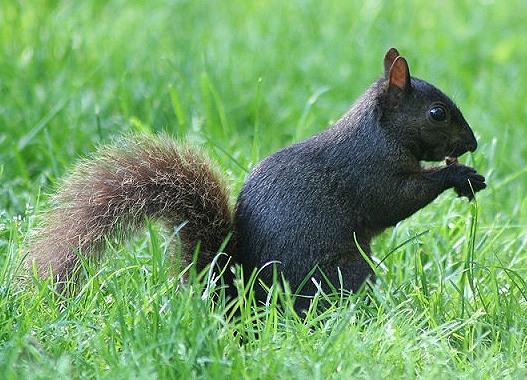




Physical traits and diet
Squirrels typically have a slender body, bushy tail, strong hind limbs, sharp claws for climbing, and ever-growing incisors adapted for gnawing. Most are opportunistic feeders and are described as omnivores. Their diet commonly includes nuts, seeds, berries and parts of plants; they also consume insects, eggs and items found in bird nests. Food choice varies by species, season and local availability.
Major groups and classification
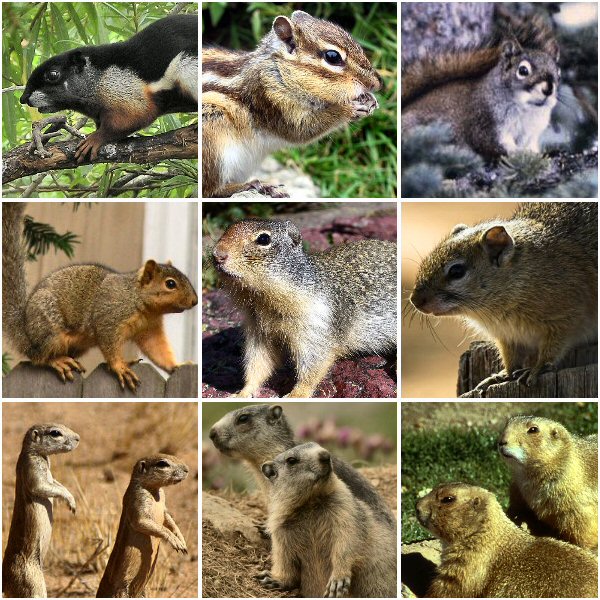
The Sciuridae family contains several well-known groups. These include:
- Tree squirrels (the common park and woodland species)
- Ground squirrels, which live on or under the ground and often form burrows
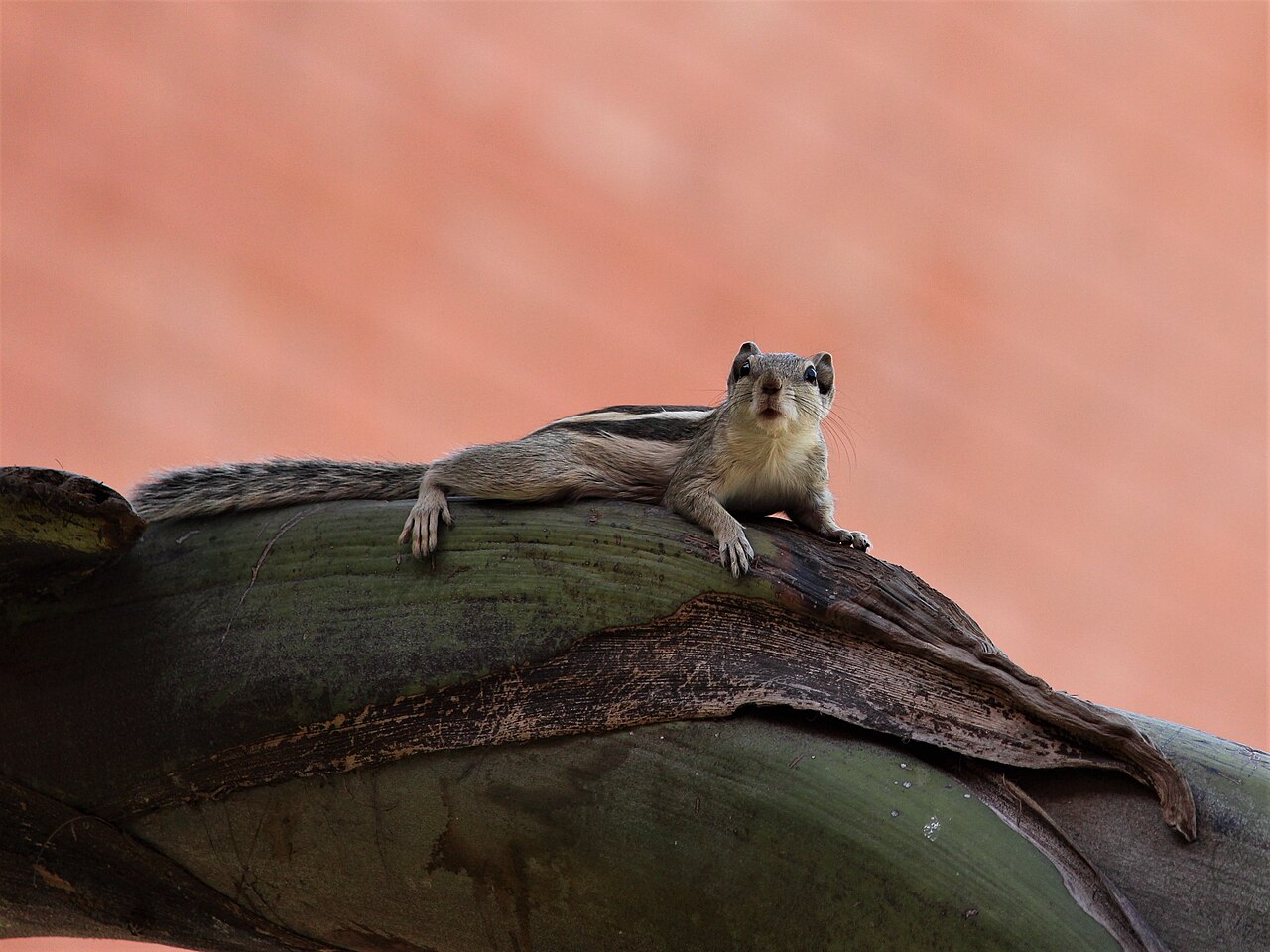
- Chipmunks, small striped squirrels found mainly in North America and Asia
- Marmots (including the groundhog), larger burrowing species
- Flying squirrels, which glide between trees using a membrane
- Prairie dogs, highly social burrowing rodents of grasslands
Some species prepare and store food for colder months, while others, especially many ground squirrels, enter periods of dormancy and hibernate to survive winter.
Behavior, ecology and predators
Squirrels play important ecological roles such as seed dispersal and influencing forest regeneration through their caching behavior. Their activity patterns vary: many tree squirrels are diurnal, while most flying squirrels are nocturnal. Predation pressure is high and varied; common predators include foxes, wolves, coyotes, bears, raccoons, lynxes, cougars, weasels, cats, dogs, badgers, snakes and various birds of prey. Their vigilance, agility and alarm calls are adaptations to avoid these threats.
Relationship with people and conservation
Squirrels are widely recognized in urban and rural settings. Some species adapt well to cities and are popular with the public; others become pests when they raid bird feeders or damage structures. Introduced squirrel species can disrupt local ecosystems, as seen in regions where non-native squirrels outcompete native species. Conservation status varies by species: while many squirrels are common, some species face threats from habitat loss, hunting and competition, and are the focus of regional conservation efforts.
Notable facts and distinctions
Different squirrel groups show distinct behaviors: flying squirrels glide and are largely nocturnal; ground squirrels may hibernate; many tree species rely on squirrel caching of nuts and seeds for regeneration. Because of their ubiquity and visibility, squirrels are important subjects in studies of animal behavior, urban ecology and seed dispersal dynamics. For more details on specific species and regional accounts, see specialized references and field guides.
Questions and answers
Q: What are squirrels?
A: Squirrels are a large family of small to medium rodents that includes tree squirrels, ground squirrels, chipmunks, marmots (including groundhogs), flying squirrels, and prairie dogs.
Q: Where do squirrels live?
A: Squirrels are native to the Americas, Eurasia, and Africa and have been introduced to Australia.
Q: What do squirrels eat?
A: Most squirrels are omnivores; they eat anything they find such as seeds, berries, pine cones, bird's eggs and insects.
Q: How do tree squirrels prepare for winter?
A: Tree squirrels store food in the fall so they can eat it during the winter. Ground squirrels hibernate instead of storing food.
Q: Who or what preys on squirrels?
A: Predators of squirrel include foxes, wolves, coyotes, bears, raccoons, lynxes cougars weasels cats dogs badgers snakes and birds of prey.
Related articles
Author
AlegsaOnline.com Squirrels: Overview, types, behavior, and interactions Leandro Alegsa
URL: https://en.alegsaonline.com/art/92955
Sources
- news.bbc.co.uk : news.bbc.co.uk/1/hi/sci/tech/2829015.stm
- thetimes.co.uk : "Captured squirrels live to nibble again | The Times"
- scotland.gov.uk : "Control of invasive non-native species - Grey Squirrels"