
Game: kinds, rules, history and social purpose
An overview of games: definitions, main types (video, board, card, sport), components and rules, historical development, uses in culture and education, and key distinctions.
Overview
A game is an activity structured by rules in which participants pursue goals for enjoyment, challenge, social interaction or competition. Games are generally voluntary and differentiated from obligations such as work or chores; see the contrast with work. They range from simple pastimes played by children to organized competitive contests that attract spectators and commercial investment, as in many sports. Games are often a form of entertainment, but they can also serve educational, therapeutic, or research purposes.
Image gallery
10 Images




Types and common components
Games appear in many formats. Some broad categories include:
- Video games: electronic programs played on computers, consoles or mobile devices using controllers, keyboards or motion sensors; their display may appear on a television or monitor (television screens and computer screens).
- Board games: tabletop games where pieces move across a board according to rules and chance, typified by classics like chess and modern strategy titles (board games).
- Card games: games that use decks of cards as the primary equipment, from simple matching games to complex collectible formats (card games, playing cards).
- Physical and sports games: activities that require bodily movement and skill, sometimes organized as competitive sports.
- Emergent and party games: informal or social games, often requiring no specialized equipment.
Many games combine elements: for example, motion-based electronic games (such as those that use the Kinect sensor) blend physical activity with digital interaction (Kinect).
Structure, rules and goals
At their core, games have a set of rules that constrain player actions and define objectives. Rules can be simple (take turns, match cards) or elaborate (multi-phase campaigns, resource management). Goals vary: in race-type games the aim is to finish first, in area-control games the aim is to dominate territory (as in Go), and in many sports the objective is to score more points than an opponent. Chance, skill, strategy and player interaction contribute differently depending on the design.
History and development
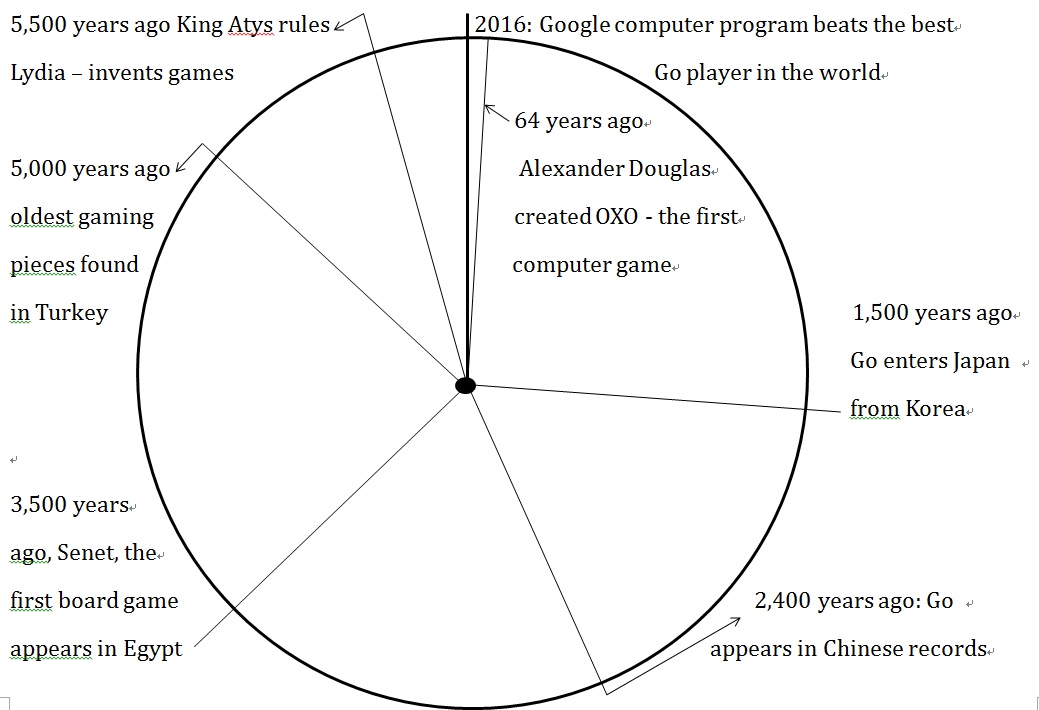
Games have been present across cultures since antiquity, evolving from ritualistic play and simple contests to diverse modern forms. Traditional board and dice games date back thousands of years, while card games spread widely after the invention of paper printing. The 20th and 21st centuries introduced mass-market board games, organized sports leagues and the rapid growth of electronic and video games, creating new genres, distribution models and professional industries.
Uses, importance and distinctions
Beyond entertainment, games teach skills (strategy, decision-making, cooperation), support learning (educational games), promote physical fitness (sports) and serve as cultural artifacts. Distinctions to note: play is broader than games and may lack formal goals; puzzles resemble games but often involve solitary problem solving; and competitive sports emphasize official rules and institutional governance. Some games have become significant cultural phenomena and major economic sectors.
Examples and further reading
Typical examples illustrate variety: a child playing a stick-and-ball street game with no equipment, a family enjoying a board game on a tabletop, a group trading and battling with card games, a strategist studying Go, an athlete competing in a professional sport, and a player navigating a complex open-world video title. For comparisons and deeper information about related concepts, consult resources on work, entertainment, and specific formats such as playing cards, Kinect, and board games.
Notable facts: games can be solitary or multiplayer, casual or professional, and their cultural roles and technologies continue to change. Designers balance accessibility with depth, and communities often shape how a game is played and sustained over time.
Questions and answers
Q: What is a game?
A: A game is an activity that people do for fun, which is different from work.
Q: Are all sports games?
A: Many sports are games, but not all activities that are considered sports are games.
Q: Are there professional games?
A: Yes, many sports are played professionally, which means there is money to be made because it is a form of entertainment.
Q: What are some examples of game equipment?
A: Some examples of game equipment are controllers or a keyboard for video games, playing cards for card games, and the Kinect for games that use your body.
Q: Do all games require equipment?
A: Most games require equipment, but not all of them. Children's street games often require no equipment.
Q: What are some examples of board games?
A: Some examples of board games are ludo, go, and soccer.
Q: Do all games have complicated rules?
A: No, some games have simple rules while others have complicated rules. It varies from game to game.
Related articles
Author
AlegsaOnline.com Game: kinds, rules, history and social purpose Leandro Alegsa
URL: https://en.alegsaonline.com/art/37401
Sources
- thegamesjournal.com : My entire waking life
- simple.wiktionary.org : game