
Gatorade: sports drink brand, composition, history, and market role
Gatorade is a sports drink brand created in 1965 to replace fluids, carbohydrates and electrolytes lost in sweat. Manufactured by PepsiCo, it remains a dominant product in global sports nutrition.
Overview
Gatorade is a widely recognized line of sports drinks and related products designed to support hydration and athletic performance. Originally formulated to replace water, electrolytes and energy lost during intense exercise, the brand has expanded into powders, low-calorie versions, gels, protein shakes and electrolyte-focused formulations. Today it is produced by PepsiCo and sold in many countries worldwide.
Image gallery
10 Images



Composition and product varieties
At its core, Gatorade combines water, simple carbohydrates (sugars) and electrolytes such as sodium and potassium to speed rehydration and help maintain fluid balance. Over the decades the product range has grown to include:
- Ready-to-drink flavored beverages in multiple calorie levels.
- Powder mixes and single-serve packets for portable use.
- Zero- or low-calorie formulas that replace sugar with sweeteners.
- Specialized lines for endurance athletes, recovery drinks and protein-enhanced shakes.
Different formulations emphasize hydration, carbohydrate replacement or electrolyte replenishment depending on intended use and exercise duration.
History and development
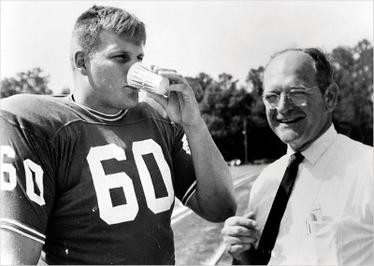
Gatorade was developed in 1965 by researchers at the University of Florida to address the dehydration and fatigue experienced by the university's athletes. Its name derives from the school's team nickname. The drink was first commercialized by Stokely-Van Camp and later changed ownership: it was acquired by Quaker Oats in the 1980s and became part of PepsiCo after a corporate acquisition in the early 2000s. Over time, scientific study and consumer testing influenced new formulations and an expanding product portfolio.
Uses, marketing and sports relationships
Gatorade is marketed primarily for athletes and active people. It is commonly used during and after exercise to replace fluids and electrolytes and to provide quick energy. The brand is notable for extensive sports sponsorships, endorsements and laboratory-backed marketing that position it as part of athletic training and recovery routines. Field testing and partnerships with teams and leagues have been a persistent element of its promotion.
Market position and competition
Gatorade holds a leading share of the sports drink market in the United States and maintains a significant global presence. It competes with other sports and hydration brands such as Coca-Cola's Powerade and vitamin-enhanced beverages, as well as regional products like Lucozade Sport in the United Kingdom. Corporate rankings and sales figures have placed Gatorade among the larger beverage brands within its parent company's portfolio; see corporate sources for current sales data and positioning details (company reporting).
Notable facts and distinctions
Gatorade is often cited in discussions about sports nutrition because it helped popularize the idea that structured rehydration and electrolyte replacement can aid performance. Its long history, association with high-profile athletes and continued product innovation—such as lower-sugar options and targeted electrolyte formulas—distinguish it from many general-purpose soft drinks. While widely used by athletes, the suitability of any sports drink depends on the duration and intensity of exercise and on individual dietary needs.
For additional manufacturer or scientific information, consult product labels, sports nutrition guides and official corporate communications via the links above.
Questions and answers
Q: What is Gatorade?
A: Gatorade is a brand of food and beverage products, primarily a line of sports drinks, designed to replenish lost water, carbohydrates, and electrolytes during athletic competitions.
Q: When was Gatorade first developed and by whom?
A: Gatorade was first developed in 1965 by researchers at the University of Florida.
Q: Why was Gatorade developed?
A: Gatorade was developed to replenish the combination of water, carbohydrates, and electrolytes that the school's student-athletes lost (in sweat) during rigorous athletic competitions.
Q: How did Gatorade get its name?
A: Gatorade got its name from the collective nickname of the University of Florida's athletic teams, "the Gators."
Q: Who currently manufactures Gatorade?
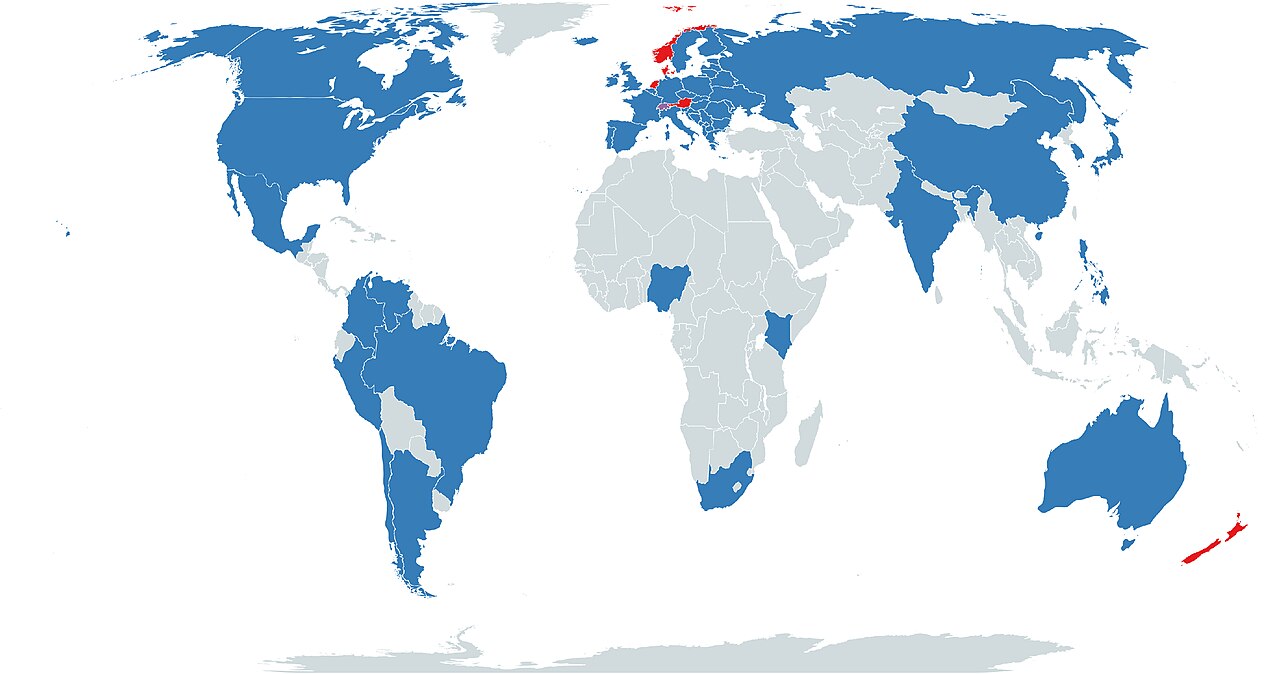
A: Gatorade is currently manufactured by PepsiCo and distributed in over 80 countries.
Q: What companies does Gatorade primarily compete with worldwide?
A: Worldwide, Gatorade primarily competes with Coca-Cola's Powerade and Vitaminwater brands; plus, Lucozade Sport in the United Kingdom.
Q: What is Gatorade's market share in the sports drink category in the United States?
A: In the United States, Gatorade accounts for approximately 75 percent market share in the sports drink category.
Related articles
Author
AlegsaOnline.com Gatorade: sports drink brand, composition, history, and market role Leandro Alegsa
URL: https://en.alegsaonline.com/art/37727
Sources
- cuny.edu : Milestones - 1900s | University of Florida researcher Robert Gade invents Gatorade.
- pepsico.com : "Gatorade Fact Sheet"
- pepsico.com : "2010 Annual Report"
- beveragedaily.com : "PepsiCo plans to distribute Gatorade direct to retailers"
- sportspromedia.com : "Gatorade to sponsor Leaders in Performance"
- brandrepublic.com : "Gatorade signs sponsorship deal with Chelsea FC"
- worldcat.org : 60393271
- usatoday.com : "Gatorade ready to pump up marketing efforts"