
Frying (cooking technique)
Frying is a method of cooking food in hot fat or oil. This article explains types, techniques, history, common uses, and safety considerations for shallow, pan and deep frying.
Overview
Frying is a culinary method in which food is cooked in hot fat until it becomes browned, crisp, or tender. Traditional fats include butter, vegetable oil and animal fats; each affects flavor, smoke point and texture differently. The term frying covers a range of approaches from using a little fat in a skillet to immersing food in a large amount of oil.
Image gallery
8 Images



Common methods
Many home and professional kitchens use distinct frying styles depending on the ingredient and desired outcome:
- Pan frying — cooking in a moderate amount of fat in a flat pan such as a skillet (pan), often flipping pieces once.
- Shallow frying — similar to pan frying but with slightly more oil so food can be partially submerged.
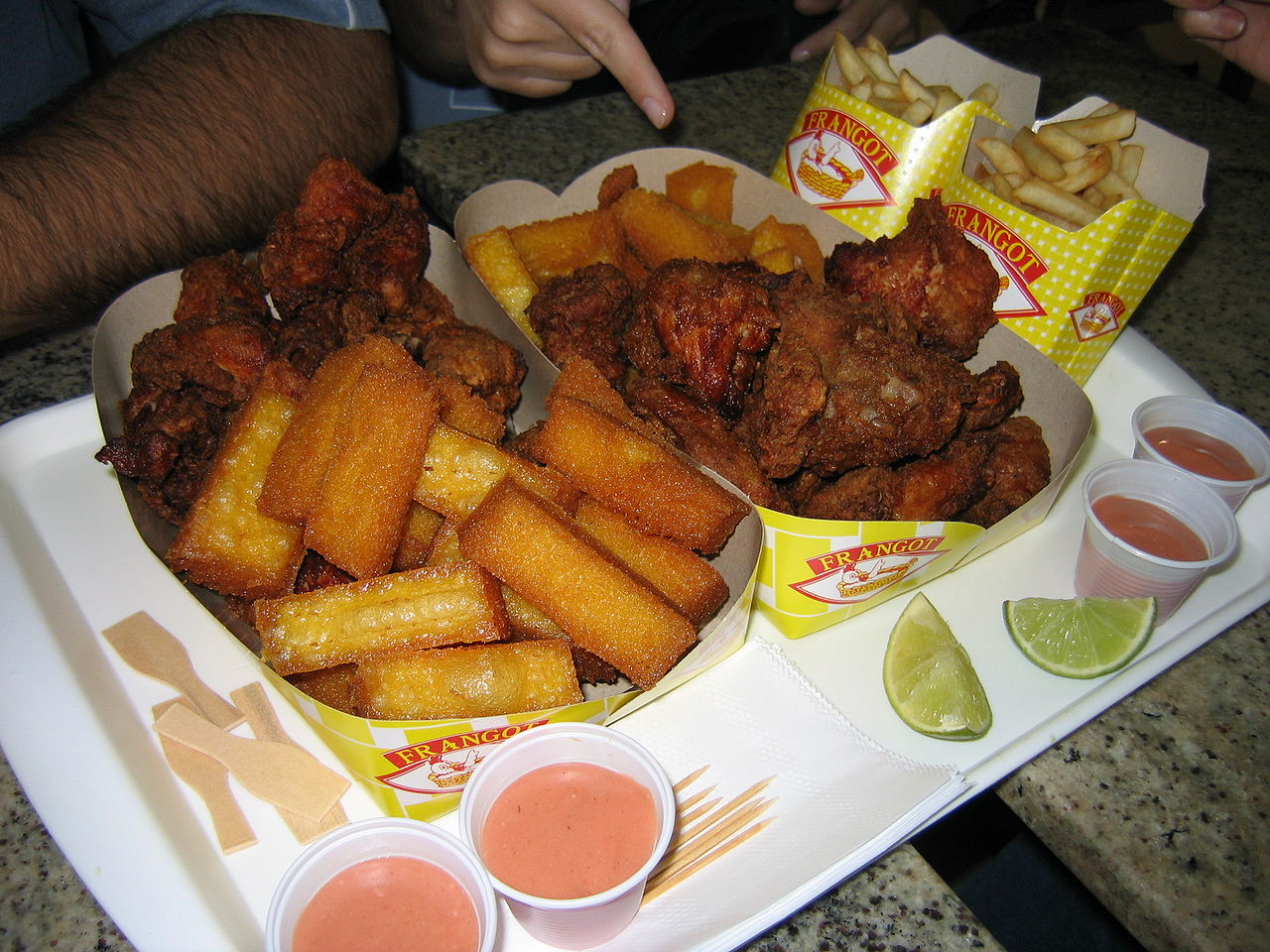
- Deep frying — food is fully submerged in hot oil in a pot (pot) or fryer; commonly used in commercial kitchens and some restaurants (restaurants).
- Stir-frying — quick cooking over very high heat with a small amount of oil, typical of wok techniques.
Technique and characteristics
Effective frying relies on temperature control, choice of fat and preparation of food. The Maillard reaction produces browning and complex flavors when proteins and sugars meet high heat. Breading or batter can protect delicate foods and create a crunchy exterior. Oils with higher smoke points are preferred for deep frying to prevent burning; butter and low-smoke fats are better suited for lower-temperature pan frying (butter, vegetable oil, other fats).
History and cultural role
Frying has ancient roots and appears in many cuisines worldwide. Methods and typical fried dishes vary by culture, from fritters and tempura to fried breads and sautéed vegetables. The spread of deep frying in restaurants helped popularize fast, crisp foods in the modern era (deep frying).
Uses, examples and distinctions
Frying is used to develop texture, concentrate flavor, and cook foods quickly. Examples include pan-fried fish, stir-fried vegetables, shallow-fried cutlets and deep-fried snacks. Key distinctions are the amount of fat used and whether food is turned during cooking: shallow and pan frying typically allow turning; deep frying relies on immersion.
Safety and best practices
Safety considerations include controlling oil temperature, avoiding water contact with hot oil, and disposing of used fats responsibly. Repeatedly overheating oil breaks it down and can produce off-flavors and harmful compounds; filtering and storing strained oil properly extends its life. Simple precautions reduce splatter, burns and kitchen fires.
Related articles
Author
AlegsaOnline.com Frying (cooking technique) Leandro Alegsa
URL: https://en.alegsaonline.com/art/36878