
Fudge: ingredients, preparation, history and varieties
Fudge is a soft, sugar-based confection made from sugar, butter and milk or cream. This article explains its ingredients, cooking method, common variations, history, cultural uses and how it differs from similar sweets.
Overview
Fudge is a soft, creamy confection traditionally made by cooking sugar with fat and dairy, then cooling and beating the mixture until it attains a smooth, fine-crystalline texture. It is commonly described as a type of candy, prized for its rich mouthfeel and wide range of flavors. Classic home and artisanal recipes use simple pantry components and a small number of techniques to control sugar crystallization.
Image gallery
7 Images




Ingredients and basic preparation
Core ingredients are simple: sugar, butter and milk or cream. Recipes often call for granulated sugar and whole dairy but may substitute condensed or evaporated milk. Commercial and home cooks sometimes add a small amount of glucose or corn syrup to discourage large crystal formation. A typical process heats the mixture to the soft-ball stage (around 240 °F / 116 °C), then cools and beats it until it becomes opaque and spreads smoothly.
Common additions and varieties
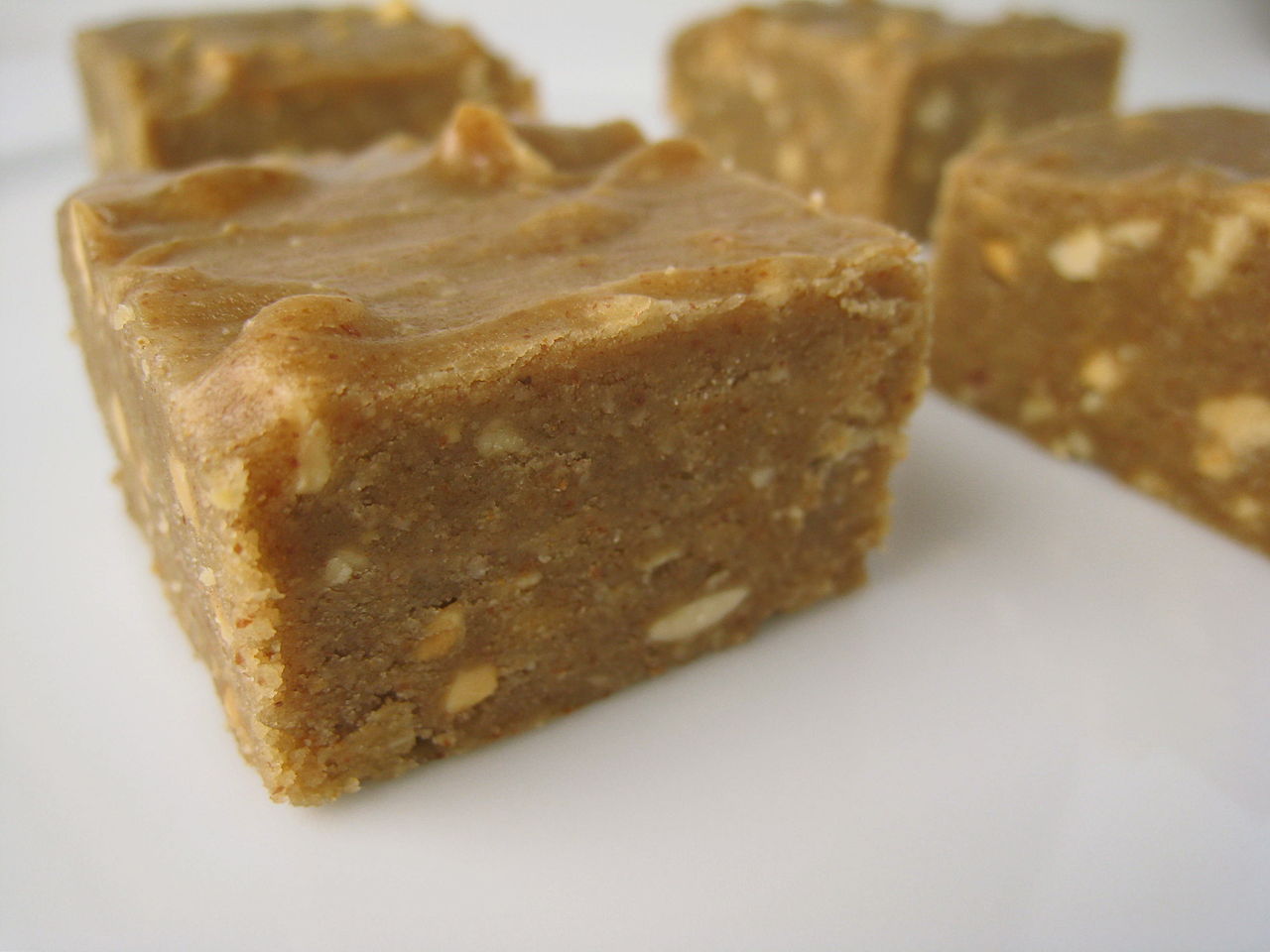
Fudge accepts many flavorings and inclusions. Chocolate is the most familiar, but vanilla, maple and peanut butter are also popular. Nuts, dried fruit, caramel swirls and cookie pieces appear frequently in specialty shops and gift boxes.
- Chocolate and cocoa-based fudges
- Nuts and candied fruit inclusions
- Caramel, butterscotch, and flavored swirls
- Regional or novelty flavors produced by confectioners
History and cultural role
Fudge emerged in the United States during the late 19th century and grew in popularity through the 20th century as both a homemade treat and a mass-produced confection. It became a common gift item and a staple of seaside and tourist shops, where artisans sell small batch varieties. Fudge is associated with holidays, fairs and specialty stores where its variety and handcrafted appearance make it a favored souvenir.
Uses, storage and practical tips
Fudge is normally cut into squares and served at room temperature. Proper storage in airtight containers keeps it fresh for days to weeks, depending on ingredients and humidity. To avoid a grainy texture, many cooks control temperature precisely and avoid stirring while the mixture is cooling; adding a little corn syrup or cream can help produce a smoother result.
- Cool before beating to encourage fine crystals
- Use a thermometer for consistent results
- Store in a cool, dry place in single layers
Distinctions and related sweets
Fudge is distinct from toffee and brittle, which are cooked to higher temperatures and are hard and glassy rather than soft. It also differs from fondant and some buttercreams by its characteristic crystallized structure. Confections such as Scottish tablet are close cousins but tend to be crumblier and grainier. For more on confectionery classifications and techniques, see resources on sugar work, dairy and butter roles in candy making, and the effects of milk solids in texture.
Note: Many commercial variations and specialty recipes exist; the basic method and balance of ingredients remain the defining features of classic fudge.
Related articles
Author
AlegsaOnline.com Fudge: ingredients, preparation, history and varieties Leandro Alegsa
URL: https://en.alegsaonline.com/art/36895