
Frying Pan (Skillet): Design, Uses, History, and Care
Comprehensive overview of the frying pan (skillet): typical shapes and materials, cooking techniques like searing and sautéing, care and maintenance, and common variations.
A frying pan, often called a frypan or skillet, is a shallow, flat cooking pan used for frying, searing and sautéing. Its defining shape features a broad, mostly flat base and gently flared sides that make it easy to turn, flip, and reduce liquids quickly. Skillets are available in a range of diameters but home models are commonly in the 20–30 cm (8–12 inch) range. They are almost always metallic and are designed to heat evenly across the cooking surface.
Image gallery
5 Images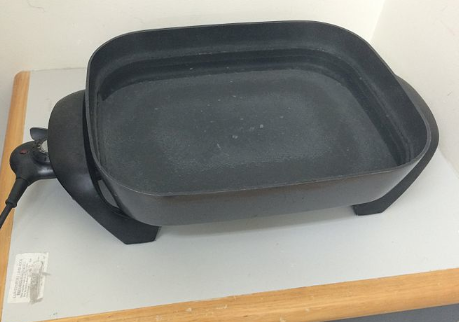


Design and common materials
Key design elements include the flat cooking surface, a long handle to keep the user's hand away from heat, and sloped sides to aid in stirring and tossing. Typical materials are stainless steel, aluminum, and cast iron. Many pans combine metals—for example, an aluminum core clad in stainless steel—to balance heat conduction with durability. Nonstick coatings are also widespread; they reduce the need for fat and make cleaning easier, but they require gentler handling to preserve the coating.
History and development
The frying pan is an ancient tool that evolved from simple shallow vessels used to cook over open fires. Over centuries, metallurgy and household technology influenced its form: cast iron pans became popular for their heat retention and durability, while the 20th century brought lighter alloys and nonstick surfaces that changed everyday cooking. Innovations in handles, ovenproof designs and multi-layer construction reflect ongoing refinements rather than radical redesigns.
Typical uses and cooking techniques
Frying pans serve a wide range of culinary tasks. Common techniques include:
- Pan-frying and shallow frying for items such as cutlets or vegetables.
- Searing meat at high heat to develop a caramelized crust before finishing in the oven.
- Sautéing small pieces of food quickly over high heat with continuous movement.
- Reducing sauces and finishing dishes where quick evaporation is beneficial.
Because of their open shape, skillets are less suited to methods that require deep immersion in fat or long, covered simmering.
Care and maintenance
How you care for a frying pan depends on its material. Cast iron and carbon steel are often "seasoned"—a layer of polymerized oil that creates a naturally nonstick surface and protects against rust. Stainless steel and aluminum pans can be cleaned with mild detergents; aggressive scrubbing may damage finishes or coatings. Nonstick pans should be used with wooden or silicone utensils and moderate heat to prolong life. Many pans list whether they are oven-safe and the maximum temperature they can tolerate.
Variations and notable distinctions
Names and styles vary: a skillet typically denotes a pan with slightly sloped sides, while a sauté pan has taller, straighter sides and often comes with a lid. Specialized pans—such as omelette pans, crepe pans and griddles—adapt the basic concept to specific foods. When choosing a frying pan, consider heat conduction, weight, handle design, whether you need an ovenproof piece, and whether a nonstick surface is appropriate for your cooking style. These practical distinctions help cooks select the right pan for each task.
Further reading: For technique guides and care tips, consult cookware manufacturers or culinary resources (browning techniques and safety notes are commonly detailed in cookbooks and online guides).
Related articles
Author
AlegsaOnline.com Frying Pan (Skillet): Design, Uses, History, and Care Leandro Alegsa
URL: https://en.alegsaonline.com/art/36877