
Galette (French flat tart, savory pancake and pastry)
Galette: a French culinary term for rustic freeform tarts, Breton buckwheat pancakes, Epiphany king cakes, and regional cookies — a versatile category of flat, round or folded baked goods.
The word galette covers a range of flat, round or freeform baked items in French cuisine. In general usage it can mean a rustic open-faced tart with a folded edge, a savory buckwheat pancake served in crêperies, a seasonal king cake, or regional cookie-like pastries. The term is applied differently in various places and culinary contexts; see individual sections below for common meanings and examples.
Image gallery
7 Images


Common types and characteristics
Broadly, galettes fall into three groups:
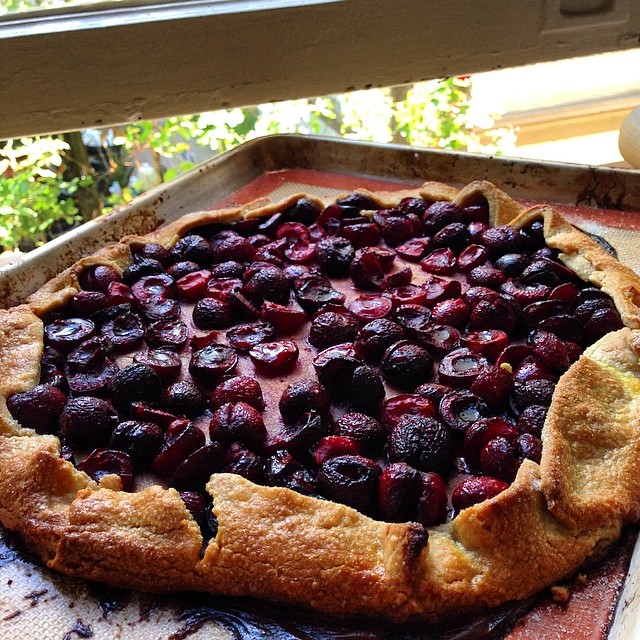
- Freeform tarts: Single-crust pastries in which dough is rolled flat, fruit or other fillings are placed in the center, and edges are folded up to enclose the filling partially. These are often called fruit galettes in bakeries.
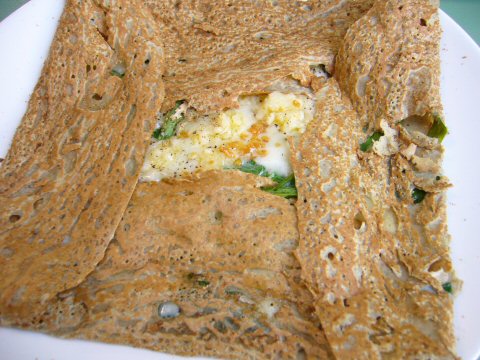
- Buckwheat pancakes: In many French crêperies a galette is a savory pancake made from buckwheat flour and filled with ingredients such as ham, cheese and egg. This style is linked with Brittany and regional creperie traditions. Buckwheat versions contrast with sweet wheat-flour crêpes commonly served with sugar or jam. More about the pancake form: savory crêperies.
- Specialty pastries: Names like galette des Rois identify seasonal or regional biscuits and cakes. In Quebec, for example, the word often denotes large, cookie-like pastries rather than pancakes. See local pastry usage: Quebec and other pastries.
Origins and regional associations
Galettes are strongly associated with Brittany, where buckwheat became a staple and gave rise to the savory pancake tradition. The rustic tart form has roots in peasant baking: a practical, open pastry that requires no pan and can enclose seasonal fruit or vegetables. Over time, distinct specialties emerged — for example, the puff-pastry galette des Rois tied to Epiphany celebrations and small regional butter cookies often called galette or galette bretonne.
Uses, serving and distinctions
Galettes are versatile: fruit galettes are popular in home baking for their simplicity; buckwheat galettes are a savory meal or street-food staple in crêperies; seasonal galettes appear at festivals and holidays. When distinguishing terms, note that a galette (freeform tart) differs from a tart baked in a pan, while a buckwheat galette differs from a sweet wheat crêpe by flour and customary fillings.
For further reading on definitions and regional varieties, consult general culinary references or specialty sources on Breton cuisine and French pastry traditions. General term entries and specialized pages provide recipes and historical notes.
Questions and answers
Q: What is a galette?
A: A galette is a type of crusty cake that can be round, flat, or freeform.
Q: What is the galette des Rois?
A: The galette des Rois is a type of galette eaten on the day of Epiphany.
Q: What is the galette described as in Quebec?
A: In Quebec, the term galette is usually applied to pastries that are similar to large cookies.
Q: What are savoury buckwheat flour pancakes called in most French crêperies?
A: They are called galettes.
Q: What are crêpes made from?
A: Crêpes are made from wheat flour.
Q: How are crêpes different from galettes?
A: Crêpes are much smaller in size and are mostly served with a sweet filling, while galettes are often savoury and made from buckwheat flour.
Q: What is another name for the galette des Rois?
A: The galette des Rois is also known as the 'King cake.'
Related articles
Author
AlegsaOnline.com Galette (French flat tart, savory pancake and pastry) Leandro Alegsa
URL: https://en.alegsaonline.com/art/37279
Sources
- finecooking.com : Galette