
Furikake: Japanese rice seasoning and condiment
Furikake is a dry Japanese condiment of small flakes and granules—seaweed, fish, seeds and seasonings—sprinkled on rice, snacks and cooked dishes to add savory flavor and umami.
Furikake is a dry Japanese condiment composed of small, flavored flakes and granules that are sprinkled over plain food to add texture and umami. It is commonly used as a finishing seasoning for steamed rice and appears in home kitchens and restaurants across Japan. Commercial blends range from simple, savory mixtures to complex varieties with aromatic or spicy accents.
Image gallery
10 Images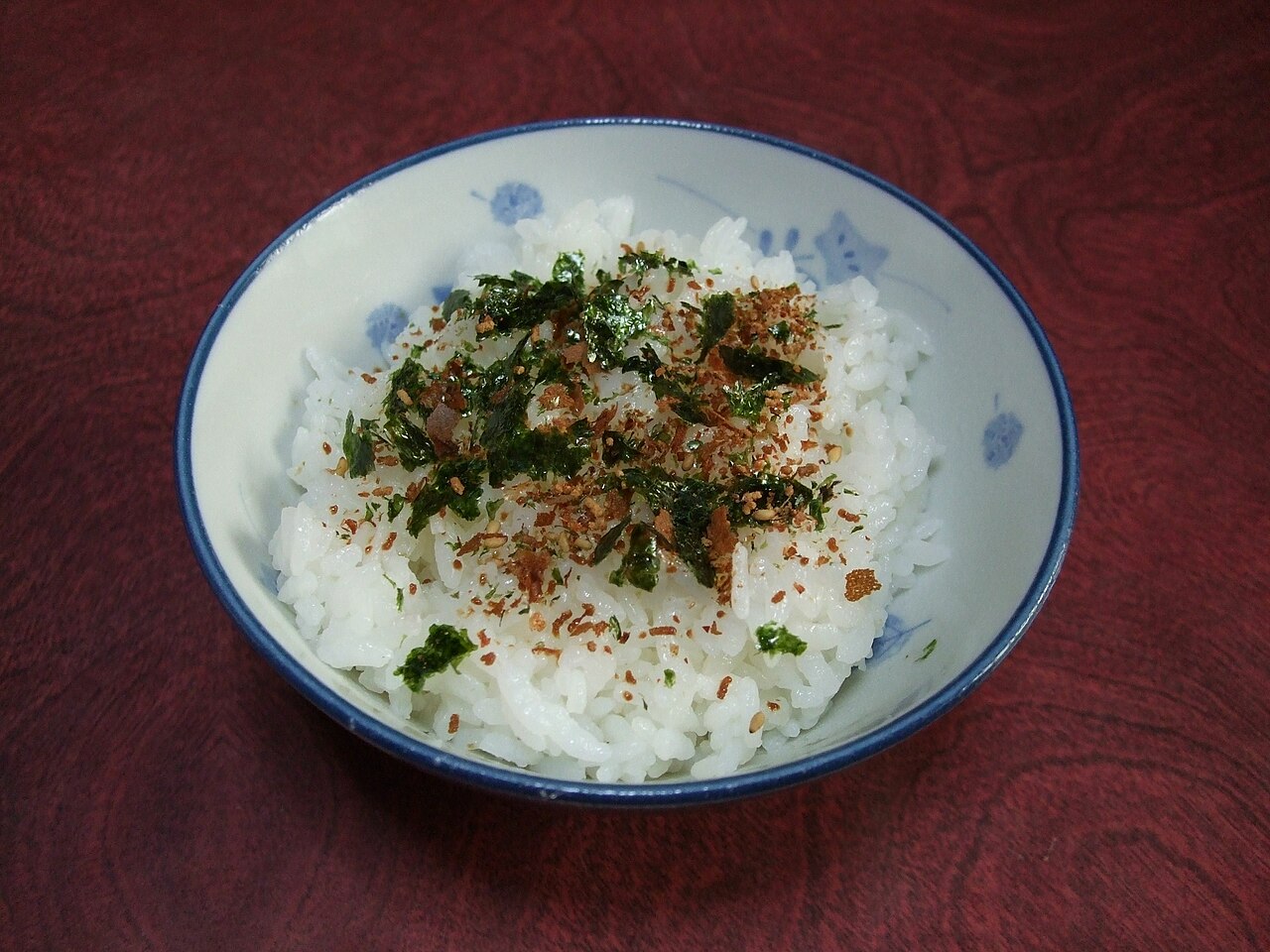


Ingredients and common components
Typical furikake blends combine several base materials with seasonings. Ingredients often include:
- Dried, ground fish or fish flakes for savory depth.
- Toasted sesame seeds and small crunchy particles.
- Seaweed (nori or other sea vegetables) for color and mineral taste.
- Sugar and salt to balance flavor.
- Sometimes monosodium glutamate or other umami enhancers, and dehydrated egg or bonito flakes.
Blends vary by producer and region; vegetarian and low-sodium versions are widely available, and small-batch recipes often include roasted soy, chili flakes, or dried vegetables.
Uses and culinary examples
Furikake is most often sprinkled on rice, but its uses are broader. Typical applications include:
- Seasoning for bowls of rice, porridge and bento boxes.
- Filling and coating for onigiri (rice balls) and sushi rolls.
- Flavoring for vegetables, noodles, grilled fish and popcorn or snack mixes.
- Garnish on salads or as a quick way to add texture to simple dishes.
Because it is dry and shelf-stable, furikake is convenient for packed lunches and outdoor meals. Some blends are tailored to pair with particular proteins such as fish or tofu, or to emphasize toasted sesame or seaweed notes.
Historically, furikake developed as an economical way to season staple foods and to add protein and flavor. Over time it became a household staple and an export product with many commercial brands and homemade variations. Producers and cooks continue to experiment with flavors, creating varieties that are sweet, spicy, or richly savory.
From a nutrition standpoint, furikake contributes relatively few calories per light sprinkle but can add notable sodium and, depending on the blend, added umami agents. Proper storage in a sealed container keeps it dry and preserves flavor for months; homemade versions are best used within a shorter period for freshness.
Furikake illustrates how a small condiment can influence everyday eating: it enhances plain dishes, supports culinary creativity, and has been adapted into numerous regional and international variations as it spread beyond Japan.
Related articles
Author
AlegsaOnline.com Furikake: Japanese rice seasoning and condiment Leandro Alegsa
URL: https://en.alegsaonline.com/art/37063
Sources
- caloriecount.about.com : Calorie Count