
Amphicoelias: a sauropod from the Morrison Formation
Amphicoelias was a Late Jurassic diplodocoid sauropod from the Morrison Formation of Colorado, noted for moderately large size and a controversial fragmentary specimen once interpreted as enormous.
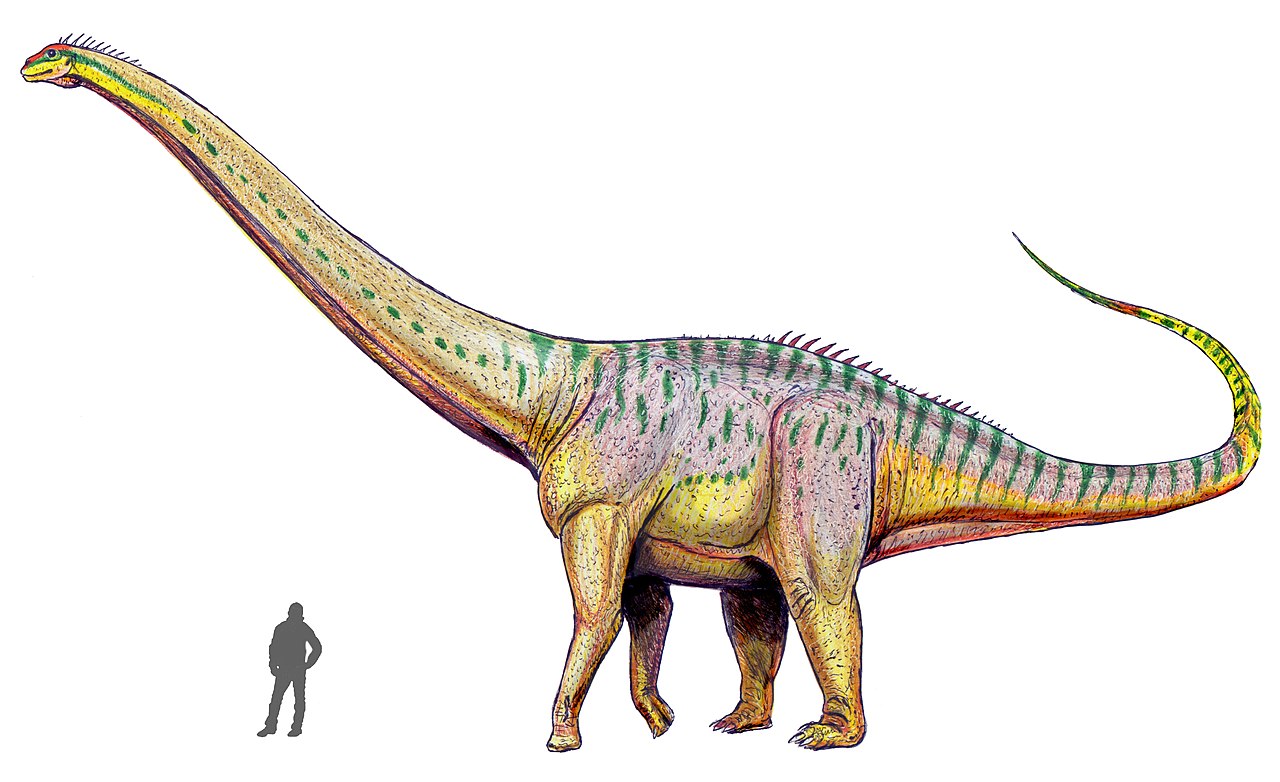
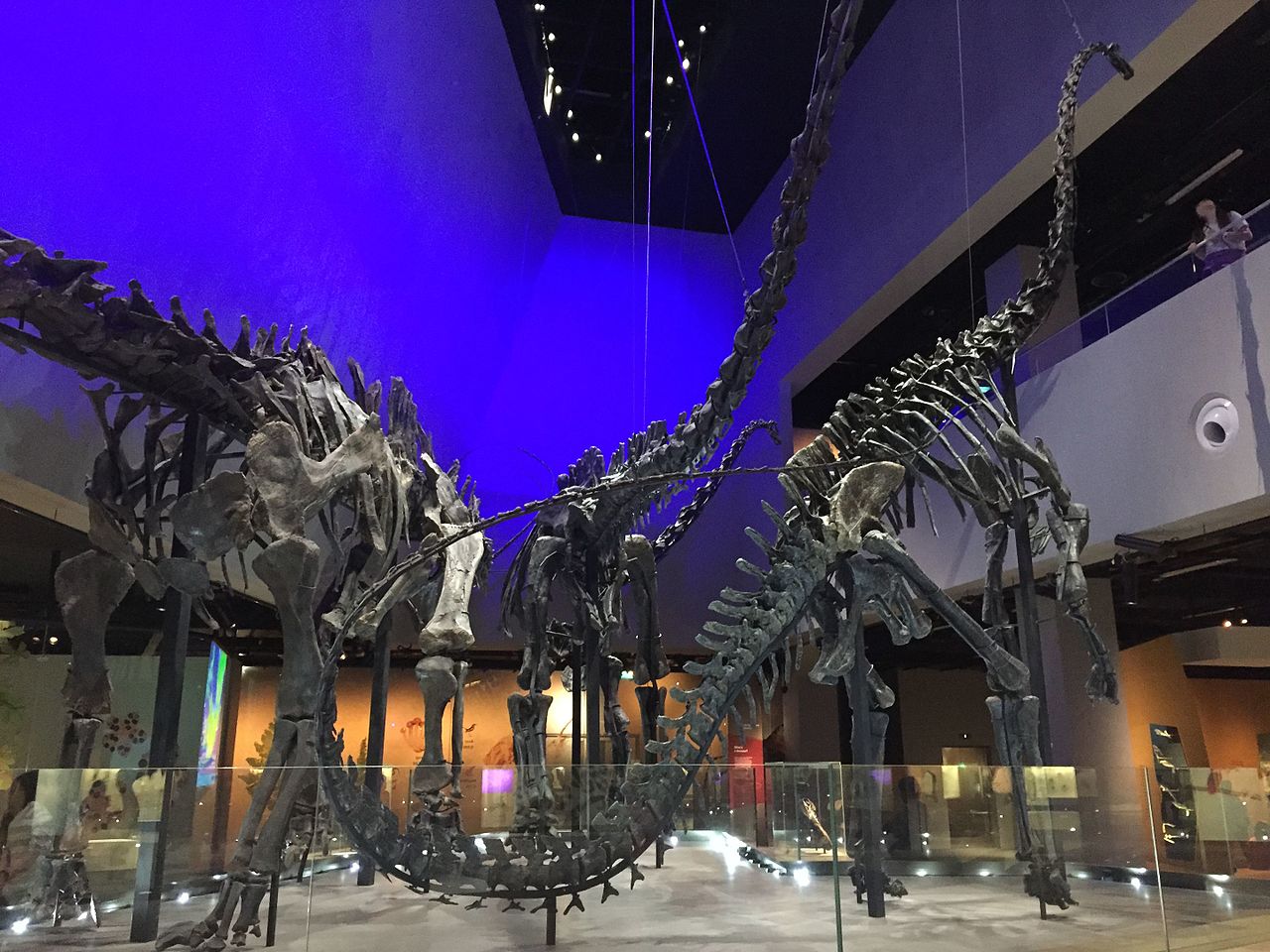
Amphicoelias is a genus of long-necked, herbivorous sauropod dinosaur originally described from the Late Jurassic deposits of western North America. Its fossils come from the rich sedimentary beds known as the Morrison Formation and are generally assigned to the Upper or late part of the Jurassic period. Specimens were excavated in what is now Colorado and nearby regions. Amphicoelias is commonly considered a diplodocoid related to genera such as Diplodocus, and is therefore grouped among the long-tailed, long-necked sauropods that dominated North American floodplain ecosystems.
Image gallery
10 Images





Description and classification
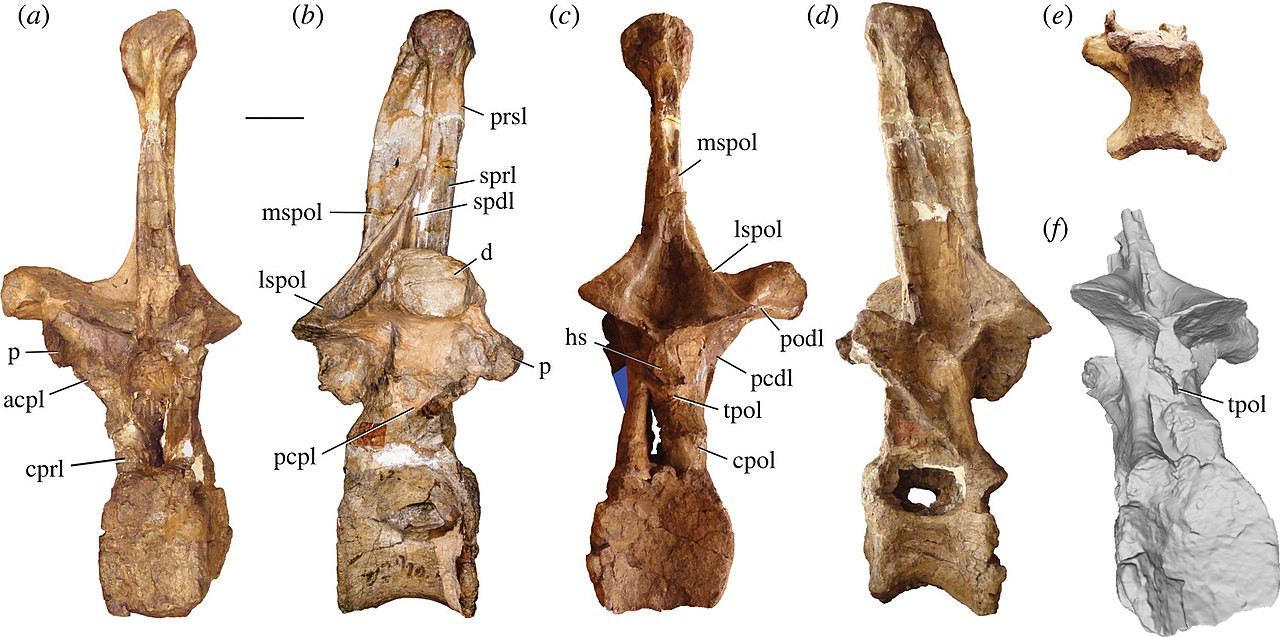
The genus name Amphicoelias refers to the amphicoelous condition of the vertebral centra (concave at both ends), a trait seen in some sauropods. Known remains include vertebrae and fragmentary limb and pelvic bones. Overall proportions suggest a large, quadrupedal browser with a long neck and tail. Early illustrations and modern comparisons place Amphicoelias in the same broad family as Diplodocus, although the exact relationships and species boundaries remain subjects of study.
Discovery and historical context
Amphicoelias was named in the late 19th century during intensive exploration of North American fossil-bearing strata. One historically famous specimen, sometimes cited under a separate species name, was represented by a single, very large neural arch or vertebral element that is now lost. That fragmentary find led to speculative size estimates and vigorous debate: some researchers regarded it as evidence for an exceptionally large sauropod, while others cautioned that loss of the original material and limited documentation make such claims uncertain.
Paleobiology and paleoecology
As an herbivore, Amphicoelias fed on the abundant vegetation of Jurassic floodplains, likely cropping plants with peg-like teeth and using its long neck to reach a wide feeding envelope. Its skeletal features indicate adaptations for supporting great body mass and a long tail that may have aided balance or communication. Interpretations of its growth, life history, and specific feeding mechanics draw on comparisons with better-known diplodocoids and broader sauropod research.
Significance and ongoing questions
- Taxonomy: The number of valid species and the placement of Amphicoelias within diplodocoids are debated among paleontologists.
- Size estimates: Controversial fragmentary material has generated headlines, but conservative assessments treat Amphicoelias as comparable in length to other large diplodocoids rather than uniquely gigantic.
- Conservation of specimens: The loss or poor preservation of key elements has limited confident anatomical descriptions.
For further summaries and specimen records see general resources on sauropods and the dinosaur fauna of the Morrison Formation, along with museum catalogues and reviews accessible through field guides and databases. Additional overviews and discussions can be found at external reference pages: sauropod overview, Morrison Formation summaries, Jurassic timescale, regional geology, and comparisons with Diplodocus.
Notable caution: Because some Amphicoelias material was never thoroughly documented or has been lost, reconstructions and size claims should be viewed as provisional until new discoveries or re-examinations provide clearer evidence.
Related articles
Author
AlegsaOnline.com Amphicoelias: a sauropod from the Morrison Formation Leandro Alegsa
URL: https://en.alegsaonline.com/art/3649