
Amphipod (Amphipoda): biology, diversity and ecological roles
Amphipods are a diverse order of mostly small, carapace-less crustaceans found in marine, freshwater, cave and terrestrial habitats; many are scavengers or detritivores and important in food webs.
Overview
Amphipods are a widespread order of malacostracan crustaceans commonly grouped under the name Amphipoda. They are true malacostracans and part of the larger assemblage of crustaceans, but unlike many other decapod relatives they lack a hard carapace covering the thorax (no carapace). The name amphipod comes from Greek roots meaning "different-footed," reflecting the diverse appendage forms on the body. Globally there are roughly seven thousand described species, with most estimates placing the group at around that order of magnitude.
Image gallery
9 Images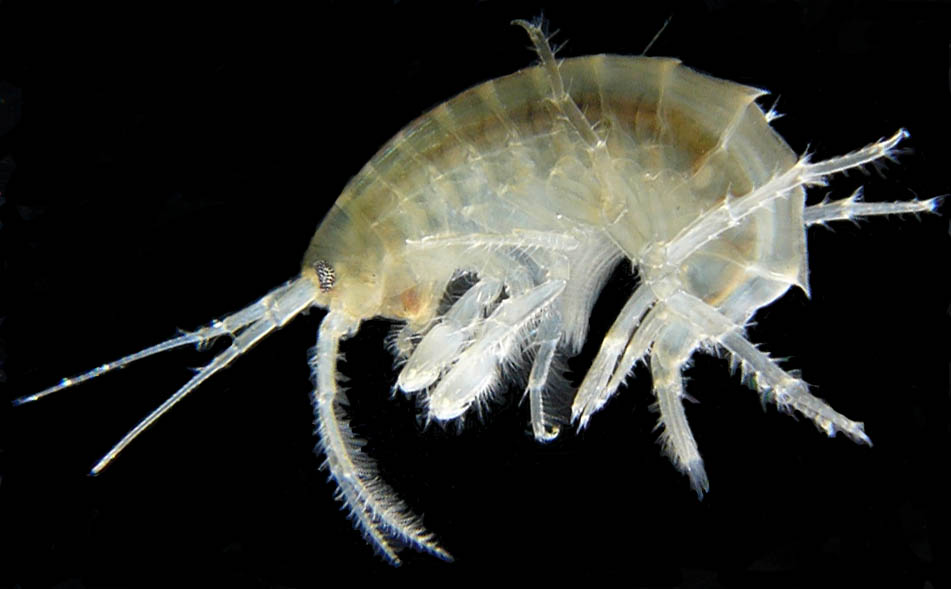


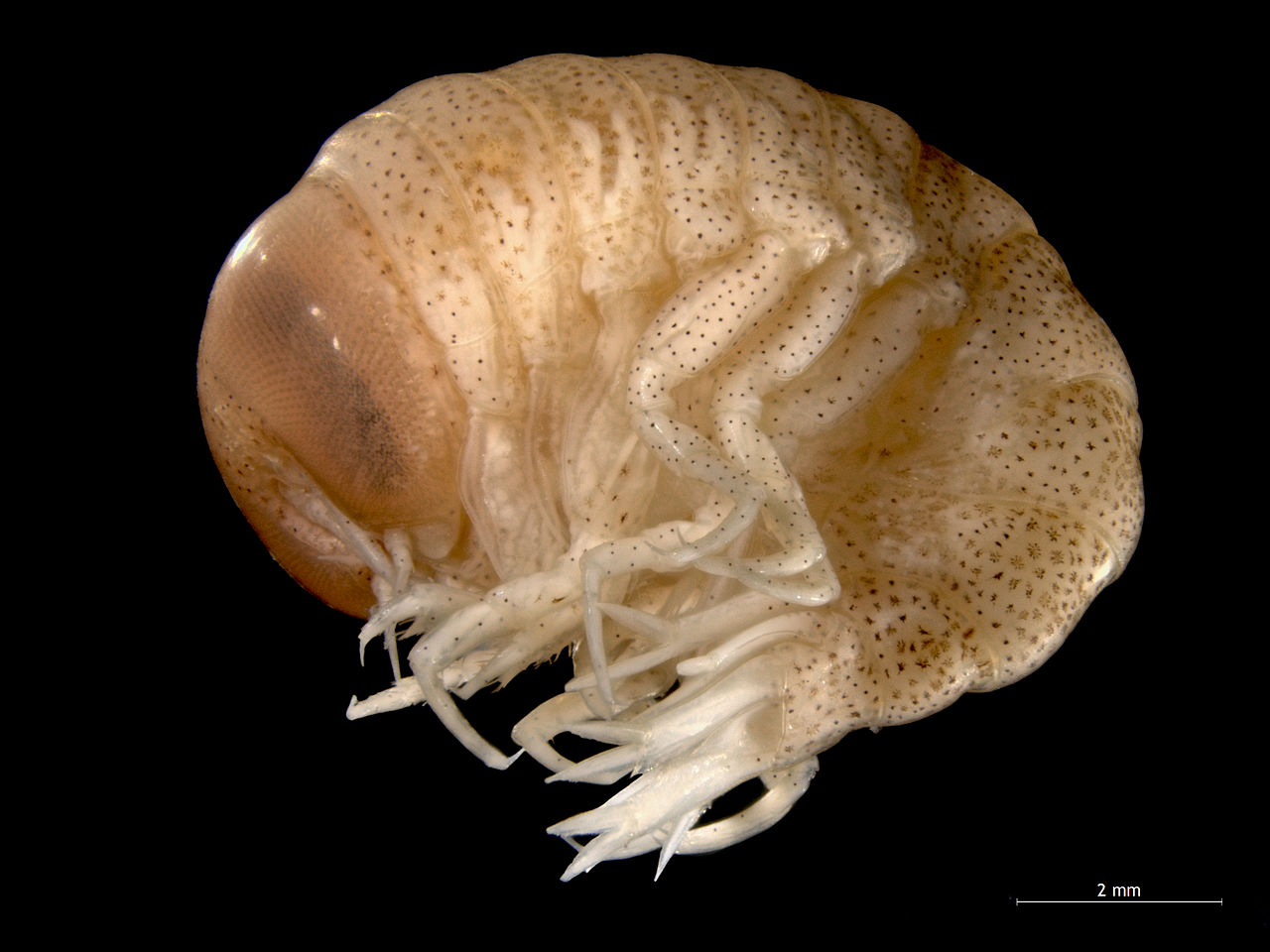
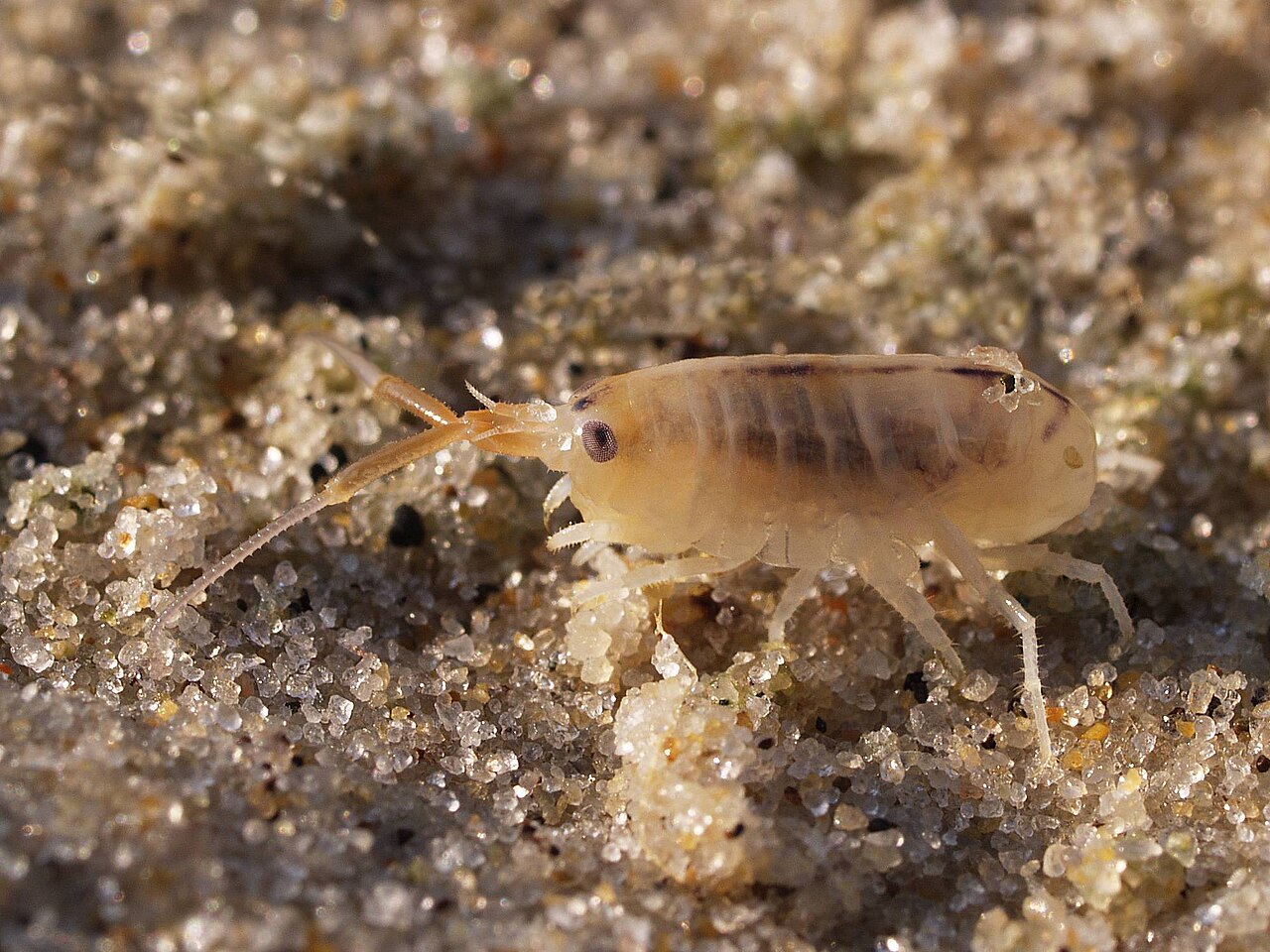


Anatomy and behavior
Amphipods typically have a laterally compressed body divided into head, thorax (pereon) and abdomen (pleon). Their thoracic limbs are often differentiated: some pereopods serve for locomotion while others (called gnathopods) are modified for grasping or feeding. A pair of antennae, compound eyes and mouthparts adapted for scraping or tearing are common. Many amphipods are active scavengers or detritivores, consuming decaying organic matter, algae and small invertebrates; some are filter feeders, grazers or temporary parasites. Movement varies from strong swimming in planktonic species to hopping and burrowing in littoral forms like sandhoppers.
Diversity, taxonomy and examples
Most described amphipod species are placed in a large grouping traditionally called the Gammaridea, which contains several thousand species. Other historically recognized subgroups include forms known as skeleton shrimps and caprellids, and the planktonic Hyperiidea. Typical examples include shoreline sandhoppers (for instance the common Talitrus saltator) and deep-sea forms that reach remarkable sizes. A simple list of familiar kinds:
- Gammaridean amphipods – many freshwater and marine benthic species
- Caprellids (skeleton shrimps) – elongated, grasping limbs for clinging to substrates
- Hyperiids – mostly planktonic, often associated with gelatinous zooplankton
Habitats and distribution
Amphipods occupy nearly every aquatic environment. They are abundant in marine coastal zones, estuaries, rivers and lakes, and a notable number of species are adapted to dark subterranean habitats — with around several hundred species known from caves and groundwater systems (cave habitats). Some lineages have secondarily colonized land and damp terrestrial niches; familiar beach-hopping forms are often called sandhoppers or beach fleas (terrestrial amphipods). Deep-sea amphipods live on abyssal plains and continental slopes and include some of the largest members of the order.
Ecological importance and human relevance
As consumers of detritus and algae, amphipods play a central role in recycling organic matter and transferring energy to higher trophic levels: they are a common and nutritious prey for fish, birds and other invertebrates. Their sensitivity to pollution and habitat change makes some species useful as bioindicators in monitoring water quality. Amphipods are also used in laboratory studies of ecology, behavior and toxicology, and certain species can influence sediment structure and nutrient cycling through burrowing and feeding activity.
Notable facts and distinctions
Amphipods differ from superficially similar groups such as isopods by their sideways-compressed bodies and by having distinctly different limb types rather than a series of uniform legs. The absence of a carapace means their segmentation is apparent and their limbs are highly specialized. Taxonomy has been revised repeatedly, so traditional suborder names are sometimes reorganized by modern molecular studies. For more general background and taxonomic listings see a field summary or taxonomic database (carapace note, Amphipoda overview).
Overall, amphipods are a diverse and ecologically significant group whose small size belies an important role in aquatic and damp terrestrial ecosystems worldwide. For further reading consult specialized keys and region-specific guides or online resources on morphology and species identification (malacostracan context, crustacean resources, comparative isopod links).
Questions and answers
Q: What are Amphipods?
A: Amphipods are an order of malacostracan crustaceans that have no carapace.
Q: What does the name amphipoda mean?
A: The name amphipoda means "different-footed".
Q: How are amphipods different from isopods?
A: Unlike isopods, where all the legs are alike, amphipods have different appendage types.
Q: How many species of amphipods are there?
A: There are 7,000 species of amphipods.
Q: What is the size range of amphipods?
A: Amphipods range in size from 0.1 to 34 centimetres (0.04 to 13 inches).
Q: Where do amphipods live?
A: Amphipods live in almost all aquatic environments; 750 species live in caves and the order also includes terrestrial animals and sandhoppers such as Talitrus saltator.
Q: Where do the largest amphipods live?
A: The largest amphipods live on the sea floor, seven kilometres down.
Tags
Related articles
Author
AlegsaOnline.com Amphipod (Amphipoda): biology, diversity and ecological roles Leandro Alegsa
URL: https://en.alegsaonline.com/art/3650
Sources
- bbc.co.uk : 'Supergiant' crustacean found in deepest ocean
- sa.waterwatch.org.au : Critter Catalogue. A guide to the aquatic invertebrates of South Australian inland waters
- tafi.org.au : "Order Amphipoda"