
Amphiuma — elongated aquatic salamanders of the family Amphiumidae
Amphiuma is a small genus of large, eel-like aquatic salamanders native to the southeastern United States, notable for reduced limbs with 1–3 toes and very large genome sizes among vertebrates.
Amphiuma is a small genus of fully aquatic salamanders native to the freshwater wetlands, swamps and slow-moving waters of the southeastern United States. These animals are unmistakable for their long, eel-like bodies, smooth skin and very small, paddle-like limbs. Each limb bears a reduced number of toes—one, two or three—a convenient field mark reflected in common names such as one-toed, two-toed and three-toed amphiuma. They make up the single living genus in the family Amphiumidae and are amphibians, not fish.
Image gallery
10 Images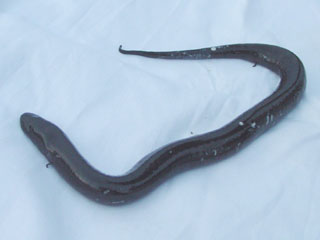


Physical characteristics and physiology
Adults are relatively large for salamanders and use rib and body undulations to swim. Although aquatic for most or all of their lives, amphiumas breathe with well-developed lungs and can absorb gases through their skin and oral membranes. Larval amphiumas have external gills, but these are lost as they metamorphose to the adult form. The very large amount of DNA in amphiuma cells has attracted scientific attention; their genome size is among the largest reported for vertebrates, a feature often linked to abundant repetitive and non-coding sequences (source).
Taxonomy and species
Modern classifications place Amphiuma in the order Caudata (salamanders). The genus contains a few recognized species, commonly cited by toe count and scientific names such as Amphiuma tridactylum, Amphiuma means and Amphiuma pholeter. For general overviews of aquatic salamanders and comparative information, see resources on aquatic amphibians and field guides (further reading). The genus name and taxonomic history are discussed in specialist works and museum treatments (Amphiuma entries).
Behavior, diet and life history
Amphiumas are largely nocturnal and secretive. They feed on fish, crustaceans (especially crayfish), aquatic insects and smaller amphibians, using a sit-and-wait or ambush strategy among submerged vegetation and leaf litter. Reproduction typically involves eggs laid in hidden, moist cavities or nests; females often guard eggs and developing larvae. Amphiumas can tolerate seasonal drying by burrowing into mud and entering a dormant state until water returns.
Conservation and human interactions
While not globally endangered, amphiuma populations depend on healthy wetland habitats and can be affected by drainage, pollution and habitat fragmentation. They are encountered occasionally by anglers and collectors, and are sometimes kept in captivity by experienced aquarists because of their size and specialized aquatic requirements. Conservation efforts emphasize protection of slow-water wetlands and water-quality management to support amphibian communities.
- Common names: often misleadingly called "conger eels" or "congo snakes" though they are salamanders.
- Field ID: toe count (1, 2, or 3) is a practical diagnostic feature.
- Genomic interest: notable for very large genome size among vertebrates (genome studies).
- Resources: consult field guides and amphibian biology texts for regional details (regional resources, taxon accounts).
Questions and answers
Q: What is Amphiuma?
A: Amphiuma is a genus of aquatic salamanders.
Q: What is the family of Amphiuma?
A: Amphiuma is the only genus still living in the family Amphiumidae.
Q: What are Amphiumas sometimes called?
A: Amphiumas are sometimes called "conger eels" or "congo snakes", which is not correct.
Q: How much DNA does Amphiuma have compared to humans?
A: Amphiuma has one of the largest amounts of DNA in the living world, around 25 times more than a human.
Q: What is the habitat of Amphiuma?
A: Amphiuma species are aquatic, indicating that they live in water.
Q: Do Amphiumas have legs?
A: Yes, Amphiumas have legs that are very short and not very visible on their long bodies.
Q: Are Amphiumas commonly kept as pets?
A: Amphiumas are not commonly kept as pets, most likely due to their aquatic nature and complex care requirements.
Tags
Related articles
Author
AlegsaOnline.com Amphiuma — elongated aquatic salamanders of the family Amphiumidae Leandro Alegsa
URL: https://en.alegsaonline.com/art/3654
Sources
- books.google.com : Fossil Salamanders of North America
- scientificblogging.com : "Junk DNA and the Onion Test"