
Fokker — Dutch aircraft manufacturer and its historical legacy
Fokker was a Dutch aircraft manufacturer founded by Anthony Fokker in 1912. It became famous for World War I fighters and 20th-century civil airliners, then ceased operations after bankruptcy in 1996.
Overview
Fokker was a prominent aircraft manufacturer established by Anthony (Anton) Fokker in 1912. Beginning in Germany and later moving to the Netherlands, the firm produced military fighters, pioneering designs, and a long line of civil airliners. Its name became synonymous with several iconic aircraft that influenced both wartime aviation and the growth of commercial air transport.
Image gallery
10 Images


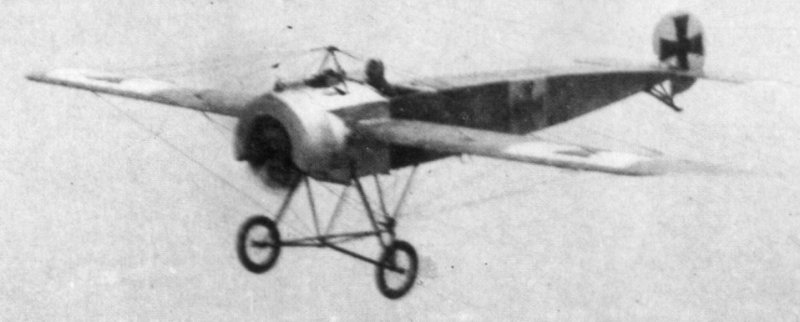

Origins and early history
Anthony Fokker began designing and building airplanes in 1912 in Schwerin. The company first operated under German registrations and quickly gained attention during World War I for fighters that were widely used by the German air service. After the war, and with treaty and economic pressures, Fokker moved major operations to the Netherlands in 1919 where it reestablished production and expanded into civilian markets.
Designs, characteristics and notable models
Fokker designs evolved from wood-and-fabric biplanes and triplanes to metal-structure monoplanes and regional airliners. The company became associated with several distinctive models, including:
- Fokker Dr.I triplane — a World War I fighter famously flown by Manfred von Richthofen (the "Red Baron").
- Fokker D.VII — a highly regarded late-war fighter known for handling and strength.
- Fokker F.VII — an influential 1920s civil transport that helped open commercial routes.
- Fokker F27 Friendship and F28 Fellowship — post‑WWII regional airliners that were widely used by airlines worldwide.
- Fokker 50/100 series — later developments that modernized the company's regional jet and turboprop offerings.
Contributions and innovations
Fokker played an early role in synchronizing machine guns for aircraft and popularized practical civil aircraft layouts such as the high-wing trimotor for reliable passenger service. The company’s aircraft were valued for ruggedness, ease of maintenance and suitability for short or emerging routes—traits that helped airlines build regional networks in the interwar and postwar eras.
Decline, bankruptcy and legacy
Despite periods of commercial success in the 1920s and 1930s and a postwar revival with regional airliners, Fokker faced mounting financial pressure from international competition, development costs and changing market demands. The company filed for bankruptcy in 1996 and its activities were sold off or reorganized; parts of the business continued under different owners and specialist units survived to provide support and components.
Further reading and references
For more on the company and its founder, see archival and specialist materials: Founding and early years, World War I fighters, civil aviation developments, and biography of Anthony Fokker. Additional resources cover the move to the Netherlands (Schwerin origins and Dutch relocation), the interwar civil market dominance (1920s–30s overview), modern product lines and support (postwar aircraft) and the company's 1996 insolvency and asset sales (bankruptcy and aftermath).
Fokker remains a significant name in aviation history: its aircraft are preserved in museums worldwide and its influence persists in regional aviation design and maintenance practices.
Questions and answers
Q: Who was Fokker?
A: Fokker was a Dutch aircraft manufacturer named after its founder Anthony Fokker.
Q: When did Fokker start its operations?
A: Fokker started its operations in 1912 in Schwerin, Germany.
Q: When did Fokker move to the Netherlands?
A: Fokker moved to the Netherlands in 1919.
Q: How did Fokker dominate the civil aviation market?
A: Fokker dominated the civil aviation market during its most successful period in the 1920s and 1930s.
Q: When did Fokker go into bankruptcy?
A: Fokker went into bankruptcy in 1996.
Q: What happened to Fokker's operations after the bankruptcy?
A: Fokker's operations were sold to competitors after the bankruptcy.
Q: Which countries did Fokker operate in?
A: Fokker started out in Schwerin, Germany and moved to the Netherlands in 1919.
Related articles
Author
AlegsaOnline.com Fokker — Dutch aircraft manufacturer and its historical legacy Leandro Alegsa
URL: https://en.alegsaonline.com/art/35351