
Sumbawa — Indonesian island of Mount Tambora and cultural transition
Sumbawa is a large Indonesian island in the Lesser Sunda chain, known for Mount Tambora, mixed agriculture, maritime cultures, distinctive local languages, surfing and biodiversity within the Wallacea transition zone.
Overview: Sumbawa is an Indonesian island in the central band of the Lesser Sunda Islands. It lies east of Lombok, west of Flores, with Sumba farther to the southeast. Administratively the island is part of the province of West Nusa Tenggara. The land area is roughly 15,448 km² and the population is about 1.5 million, making Sumbawa one of the larger islands in the chain. Its location marks a cultural boundary between islands influenced historically by South and Southeast Asian contacts and those with more eastern Austronesian and Melanesian affinities (Indian influence and other external contacts have shaped parts of the island).
Image gallery
9 Images




Geography and environment
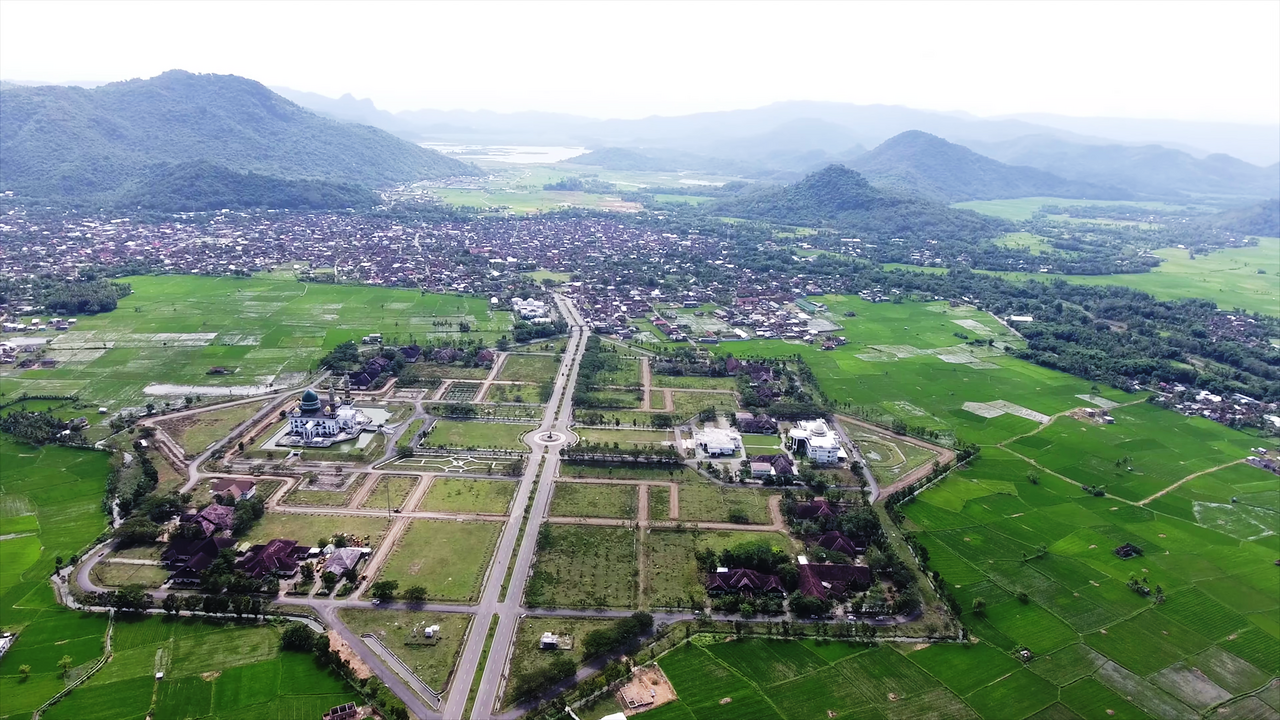
Sumbawa combines volcanic highlands, steep coastal cliffs and drier lowland plains. The island sits within Wallacea, a biogeographic zone with a mix of Asian and Australasian flora and fauna. River valleys and coral-fringed bays support agriculture and fishing, while offshore reefs sustain diverse marine life. The island's topography, soils and rainfall patterns vary from wetter mountains to relatively arid eastern slopes, influencing settlement and land use.
Geology and Mount Tambora
Mount Tambora, on Sumbawa's northern side, produced the massive 1815 eruption that created a large caldera and had global climatic effects. The eruption remains one of the most powerful in recorded history and shaped much subsequent human and ecological change on the island. Other volcanic features, including smaller cones and crater lakes, contribute to Sumbawa's varied landscape.
History and administration
Human presence on Sumbawa has long involved maritime trade, local polities and shifting external contacts. Historical kingdoms and coastal trading towns facilitated exchange with neighboring islands and with seafarers from farther afield. During the colonial era and into the modern Indonesian state, the island was organized into regencies and municipalities; principal towns such as Sumbawa Besar and Bima act as administrative and commercial centers.
Population, languages and culture
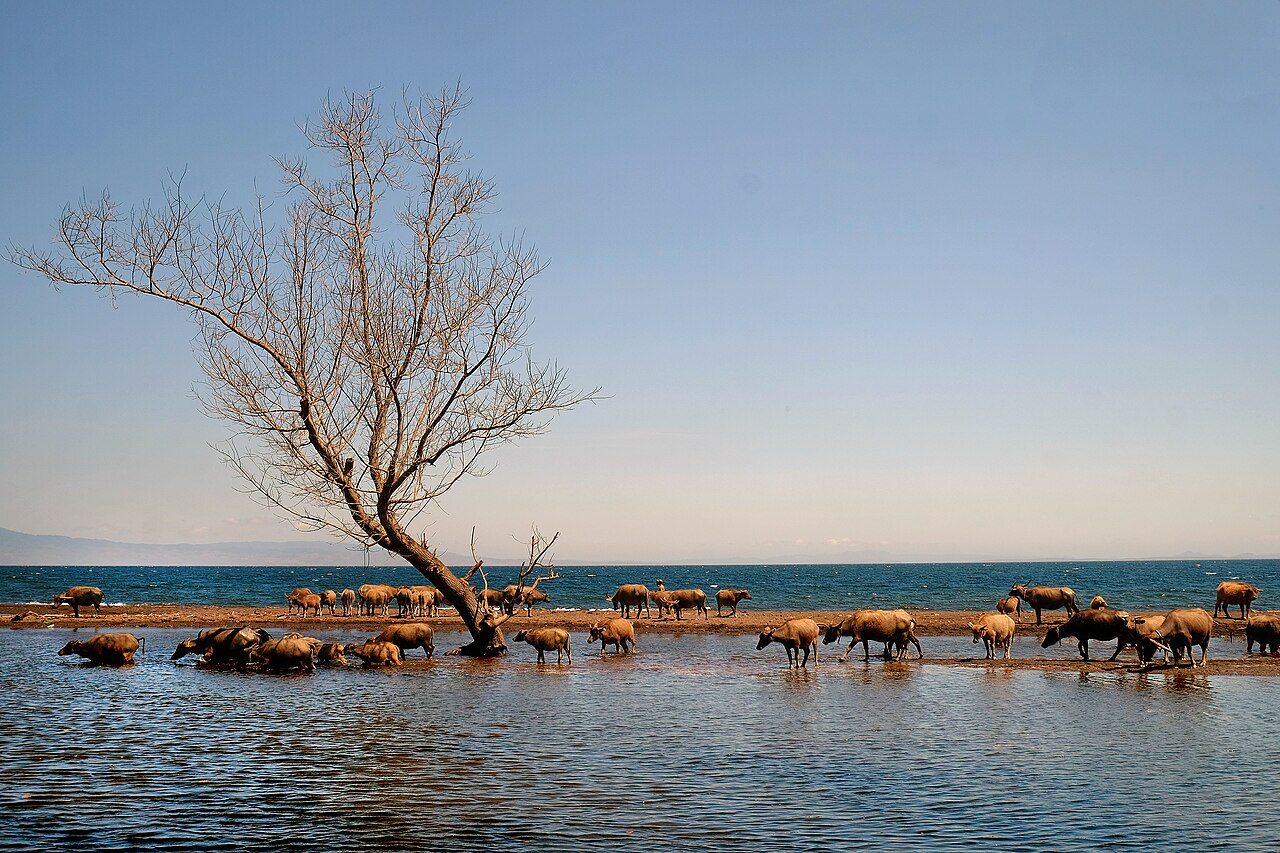
The island's population speaks several local languages alongside Indonesian. Cultural life blends maritime and agricultural traditions: cattle and horses are important in some districts, and local crafts, music and customary ceremonies remain prominent. Social life varies between coastal communities oriented to fishing and trade and inland communities focused on farming and pastoralism.
Economy
Sumbawa's economy is based largely on agriculture, livestock, fishing and small-scale mining. Crops include rice where irrigation is available, as well as maize, cassava and cash crops in drier areas. Fisheries and coastal resources support local markets, while tourism has grown around surfing, diving, nature reserves and volcanic sites. Infrastructure varies, and access to services differs between larger towns and remote districts.
Biodiversity and conservation
As part of Wallacea, Sumbawa hosts a mix of species with Asian and Australasian affinities. Islands, offshore reefs and protected areas draw attention from conservationists aiming to protect marine habitats, endemic species and forest remnants. Visitor sites such as Moyo Island and marine parks highlight both biodiversity and sustainable tourism potential.
Transport and tourism
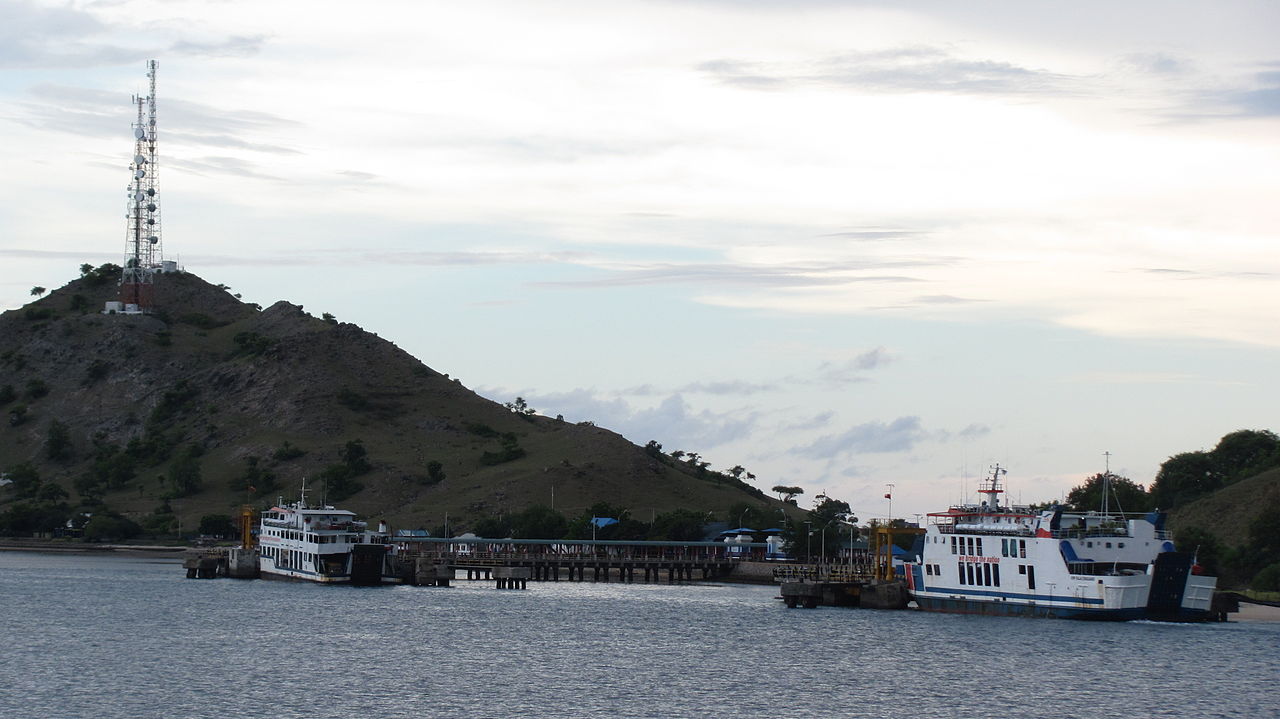
Sumbawa is reached by sea and by air connections to regional hubs. Popular tourist activities include surfing (notably at well-known breaks), diving, trekking to volcanic calderas and cultural tourism in traditional towns. Travel within the island relies on road links between principal towns and coastal settlements.
- Location: central Lesser Sundas (map context)
- Province: West Nusa Tenggara
- Neighbors: Lombok, Flores, Sumba
- Notable: Mount Tambora eruption and position in the Wallacea transition
Sumbawa remains important for researchers, visitors and Indonesians interested in volcanic history, island biodiversity and continuing cultural diversity. For more on regional geography and cultural links see related entries and maps (island overview, historical influences).
Related articles
Author
AlegsaOnline.com Sumbawa — Indonesian island of Mount Tambora and cultural transition Leandro Alegsa
URL: https://en.alegsaonline.com/art/94768